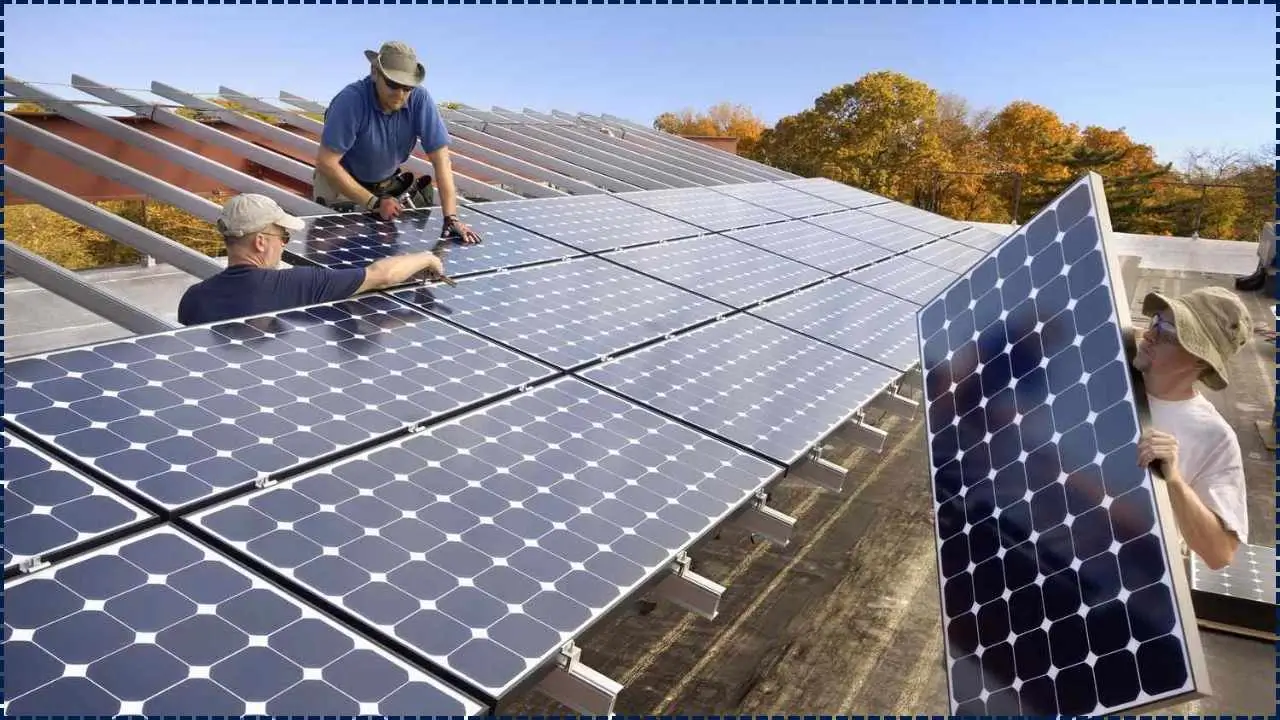

The U.S. residential solar market is entering a transformative phase after the OBBB Act ended federal tax credits that had long subsidized home solar installations.

Homeowners are now exploring leasing, battery storage, and state incentives to offset rising electricity costs and maintain long-term savings.
Solar After the OBBB Act
| Key Fact | Detail |
|---|---|
| Federal tax credit ended | 30% residential solar credit expired after 2025 |
| Leasing models rising | Third-party ownership gaining popularity |
| Electricity costs increasing | Utility rates continue upward trend |
Historical Context: Why the Solar Credit Mattered
The Investment Tax Credit (ITC), launched in 2006 and gradually increased to 30%, played a pivotal role in expanding residential solar in the United States. According to the SEIA, solar installations grew from 1 GW in 2008 to over 10 GW in 2024, largely due to this federal support.
“Federal incentives reduced upfront costs dramatically,” said Dr. Anya Sharma, a senior fellow at the Brookings Institution. “Without them, homeowners must consider other ways to make solar economically viable.”
How the OBBB Act Changed the Landscape
Federal Policy Shift
The OBBB Act removed the 30% tax credit for direct residential purchases after December 31, 2025. However, incentives persist for third-party owners (leasing and PPAs). This has reshaped the financial structure of the solar market:
- Ownership costs rise, lengthening payback periods.
- Leasing and PPA adoption increases, as providers retain the federal credit.
Industry data suggests the typical solar installation now costs $25,000–$30,000 without federal support, compared to $17,500–$21,000 previously.
Leasing and PPAs: The New Default
Leasing allows homeowners to install solar with little or no upfront cost. They pay a monthly fee or buy electricity at a reduced rate. Analysts predict that more than 40% of U.S. residential solar installations in 2026 will use third-party financing.
“Leasing is attractive for households prioritizing predictable bills,” said Maria Lopez, CEO of SunEnergy USA. “Homeowners can still access federal incentives indirectly.”
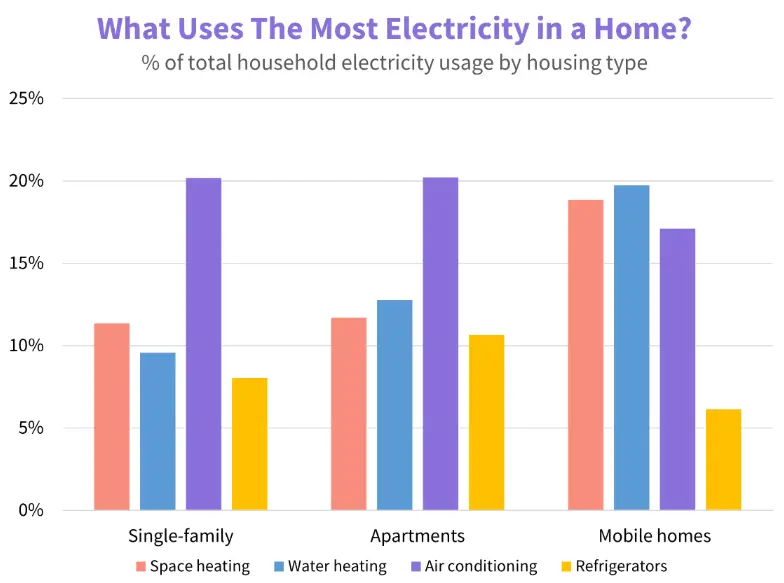
Rising Electricity Prices Bolster Solar Value
Even without federal support, residential solar offers long-term savings because utility rates continue to rise. The U.S. Energy Information Administration reports that average electricity rates grew 3–5% annually from 2020–2025, a trend likely to continue due to fuel costs, extreme weather, and grid upgrades.
“Solar remains a hedge against utility inflation,” said Jessica Tan, a clean energy economist. “The savings are realized over decades, not immediately through credits.”
State and Local Incentives: A Critical Factor
While the federal credit ended, state rebates, tax credits, and net metering policies remain important. These incentives vary by state:
- California: Rebates and strong net metering policies
- New York: State tax credit of up to 25% of installation costs
- Texas: Limited local incentives but growing community solar programs
Homeowners must research local options to maximize savings.
Battery Storage: Maximizing Efficiency and Reliability
Battery adoption is increasingly common as homeowners seek to maximize solar usage:
- Store excess energy for nighttime use
- Reduce reliance on the grid during peak pricing
- Ensure backup power during outages
Time-of-use electricity pricing in states like California and Arizona makes batteries economically beneficial.

Suzlon Energy Q4 Results 2025: शेयर प्राइस में हलचल, डिविडेंड की उम्मीद या सिर्फ ब्रेकआउट का खेल?
“Battery systems are now an essential part of many solar projects,” said Alex Reynolds, an energy storage consultant. “They enhance both savings and resilience.”
Environmental Impact: Carbon Savings Persist
Despite federal incentives ending, solar continues to contribute significantly to reducing greenhouse gas emissions. A typical U.S. household solar installation offsets roughly 3–4 metric tons of CO₂ annually, equivalent to removing one car from the road each year.
This environmental benefit strengthens the argument for solar adoption as part of broader climate goals.
Consumer Guidance: Navigating the Post-OBBB Era
- Evaluate financing options: Compare purchasing vs leasing or PPA models.
- Investigate local incentives: Tax credits, rebates, and net metering vary by state.
- Consider battery storage: Essential for maximizing cost efficiency and resilience.
- Optimize energy efficiency: Upgrading insulation, appliances, and smart thermostats improves returns.
- Plan for long-term ROI: Solar savings are realized over decades; consider homeownership horizon.

Industry Response and Market Outlook
Solar providers are adapting by offering bundled energy solutions, including efficiency upgrades, batteries, and monitoring systems. Analysts predict a slowdown in growth for middle-income homeowners but expect strong adoption among high-usage households and states with robust incentives.
Emerging trends include community solar programs and grid modernization efforts, which may introduce new pathways for savings and participation.
Related Links
NSW Battery Incentive 2026: How to Claim Your $2,400 Rebate Today
Australia’s Green Hydrogen Vision: Exporting ‘Liquid Sunshine’ to the World in 2026
The post-OBBB solar era is defined by market-driven adoption rather than federal subsidies. Rising electricity rates, state incentives, and innovative financing continue to support solar, but homeowners face more complex decisions.
“As federal support ends, homeowners must weigh economics, efficiency, and energy independence,” said Dr. Sharma. “The landscape has changed, but solar’s value remains.”
FAQs
Is solar still financially viable after the OBBB Act?
Yes, but careful consideration of electricity costs, state incentives, and financing options is crucial.
Can homeowners still access incentives?
Direct federal tax credits are gone, but leasing companies and some state programs provide support.
Are batteries necessary?
Not mandatory, but they significantly enhance efficiency and backup capabilities.