The US community solar subscriptions surge in 2026 is reshaping access to renewable energy, allowing millions of Americans to benefit from solar power without installing rooftop panels.
Driven by rising electricity costs, supportive policies, and increased demand for clean energy, subscription-based solar programs are expanding rapidly across multiple states.
US Community Solar Subscriptions are Surging
| Key Fact | Detail | Why It Matters |
|---|---|---|
| Rooftop Access Gap | ~80% cannot install solar | Drives demand for alternatives |
| Cost Savings | 5–15% lower energy bills | Attracts mass adoption |
| Federal Support | Multi-billion-dollar funding | Accelerates expansion |
| Market Growth | Fastest-growing solar segment | Signals structural shift |
The US community solar subscriptions surge in 2026 represents a structural shift in the energy landscape. By removing barriers related to cost, infrastructure, and ownership, community solar is expanding access to renewable energy across the United States.
As adoption grows and policies evolve, subscription-based solar is likely to play a central role in shaping the future of clean energy.
What Is Community Solar?
Community solar allows multiple customers to subscribe to a shared solar installation located off-site. Instead of installing panels on their own property, participants receive credits on their electricity bills based on their share of energy production.
This model transforms solar energy into a subscription-based utility service, eliminating barriers such as:
- Homeownership requirements
- Roof suitability
- High upfront installation costs
Energy experts describe it as one of the most inclusive clean energy solutions currently available.
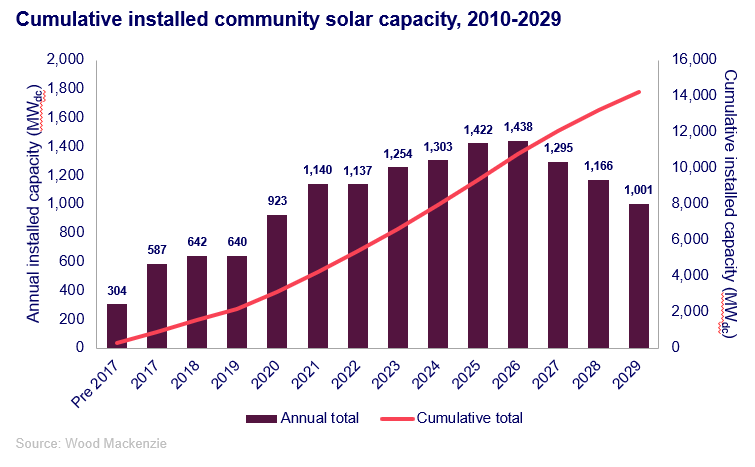
US Community Solar Subscriptions are Surging: US Community Solar Subscriptions Surge in 2026 — Key Drivers
The US community solar subscriptions surge in 2026 is the result of a convergence of economic, technological, and policy factors. Together, these forces are reshaping how energy is distributed and consumed.
1. Structural Barriers to Rooftop Solar
A major driver is the inability of most households to install rooftop solar systems.
- Renters cannot modify properties
- Many roofs are unsuitable due to shading or structure
- Multi-family buildings lack individual installation options
Industry estimates suggest that nearly 80% of Americans are excluded from rooftop solar, making community solar a necessary alternative.
2. Rising Electricity Costs and Consumer Demand
Electricity prices have increased in several U.S. regions, prompting consumers to seek cost-saving alternatives. Community solar offers:
- Immediate bill credits
- No upfront investment
- Predictable monthly savings
Energy economists note that even modest savings can significantly influence adoption, especially for middle-income households.
3. Strong Federal and State Policy Support
Government intervention has been central to the sector’s growth.
Key policy drivers:
- Federal programs targeting solar access expansion
- State-level community solar mandates
- Incentives for developers and subscribers
The U.S. government has committed billions of dollars to expanding renewable access, particularly for underserved communities. Policy analysts argue that community solar is a cornerstone of equitable energy transition strategies.
4. Subscription Model Simplicity
Unlike traditional solar installations, community solar programs are designed for ease of use. Typical features include:
- Simple enrollment processes
- No maintenance responsibility
- Flexible subscription terms
This simplicity has made the model attractive to consumers unfamiliar with solar technology.
5. Rapid Growth of the Solar Industry
The broader solar sector is expanding quickly, supported by declining technology costs and improved efficiency. Key trends include:
- Increased solar capacity additions
- Lower installation and operational costs
- Growing private and institutional investment
Community solar benefits directly from these trends, as developers can scale projects more efficiently.
Business Model: How Community Solar Works Economically
Community solar operates through a structured financial model involving multiple stakeholders:
Key participants:
- Developers: Build and operate solar farms
- Utilities: Manage grid integration and billing
- Subscribers: Purchase or lease shares of energy
Revenue is generated through subscription fees, while savings are passed on to customers via bill credits. Energy finance experts note that this model reduces financial risk for consumers while ensuring steady returns for developers.
Real-World Adoption Examples
Several states have emerged as leaders in community solar deployment:
Leading markets:
- New York
- Minnesota
- Illinois
- Massachusetts
These states have implemented strong policy frameworks that encourage project development and consumer participation. In New York, for example, community solar has expanded rapidly due to supportive regulations and incentives.
Who Benefits the Most?
Renters and Urban Populations
Community solar provides access to clean energy for individuals living in apartments or rental housing.
Low- and Moderate-Income Households
Many programs prioritize affordability and inclusivity. Benefits include:
- Guaranteed savings
- Reduced energy burden
- Access to clean energy
Energy equity advocates highlight community solar as a tool for reducing inequality.
Businesses and Institutions
Organizations use community solar to:
- Lower operating costs
- Meet sustainability targets
- Improve environmental credentials
Environmental Impact
Community solar contributes to:
- Reduced greenhouse gas emissions
- Increased renewable energy adoption
- Improved grid resilience
Environmental researchers emphasize that distributed energy systems like community solar can complement large-scale renewable projects.
Challenges Facing the Sector
Despite rapid growth, several challenges remain.
Policy Inconsistency
Not all states support community solar, leading to uneven adoption across regions.
Grid Constraints
Interconnection delays can slow project deployment.

प्लग-इन सोलर पैनल बन रहे हैं नई ग्रीन एनर्जी ट्रेंड! जानिए क्यों हर घर के लिए हो रहे हैं जरूरी
Consumer Awareness
Many potential users remain unaware of community solar options. Experts suggest that increased education and outreach are needed to expand participation.
Consumer Risks and Considerations
While community solar offers many benefits, experts caution that consumers should evaluate:
- Contract terms and exit clauses
- Actual savings versus advertised savings
- Subscription fees
Energy advisors recommend reviewing program details carefully before enrolling.
Expert Perspectives
Energy experts widely support community solar as a scalable solution. A senior policy analyst noted: “Community solar bridges a critical gap in the energy transition. It allows participation without ownership, which is essential for widespread adoption.”
Industry leaders also highlight its role in accelerating clean energy deployment without requiring large infrastructure changes.
Related Links
Solar After the OBBB Act: New Strategies for US Homeowners to Save on Electricity
Section 25D vs 48E: Why Only Leased Solar Systems Get the 30% Credit in 2026
Future Outlook: What Comes Next?
The US community solar subscriptions surge in 2026 is expected to continue, driven by:
- Expansion into new states
- Integration with battery storage
- Increased corporate participation
- Technological advancements
Emerging innovations include combining community solar with energy storage systems to improve reliability and grid stability. Analysts predict that community solar could become a mainstream energy solution within the next decade.
FAQs
What is community solar?
Community solar allows multiple users to share energy from a single solar project and receive bill credits.
Do I need to own a home?
No. Renters and apartment residents can participate.
Is it cheaper than regular electricity?
In many cases, yes. Subscribers often receive discounted rates.
Are there long-term contracts?
Some programs offer flexible terms, while others may require commitments.