
Homeowners who missed federal solar incentives are now navigating a more complex energy financing landscape. The Canada Greener Homes Loan, which once offered up to $40,000 in interest-free financing, closed in late 2025.

Yet in 2026, the program continues to influence how Canadians adopt solar energy and how policymakers design future clean energy programs.w
Canada Greener Homes Loan
| Key Fact | Detail | Why It Matters |
|---|---|---|
| Loan Amount | Up to $40,000 | Covered most solar systems |
| Interest Rate | 0% | Removed borrowing cost |
| Status | Closed (2025) | No federal replacement yet |
| Demand | Over-subscribed | Shows strong adoption interest |
Understanding the Canada Greener Homes Loan
The Canada Greener Homes Loan, launched in 2022, aimed to make energy-efficient upgrades accessible by removing upfront financial barriers. Administered by Natural Resources Canada (NRCan) and CMHC, it offered zero-interest loans for solar panels, insulation, and other upgrades.
The program quickly became one of the most widely used clean energy financing tools in the country.
Timeline: Rapid Rise and Early Closure
- 2022: Program launch
- 2023–2024: Strong growth in applications
- October 2025: New applications closed
- 2026: Existing applications still being processed
Experts say the closure reflects overwhelming demand rather than policy failure.
Why the Loan Was So Effective
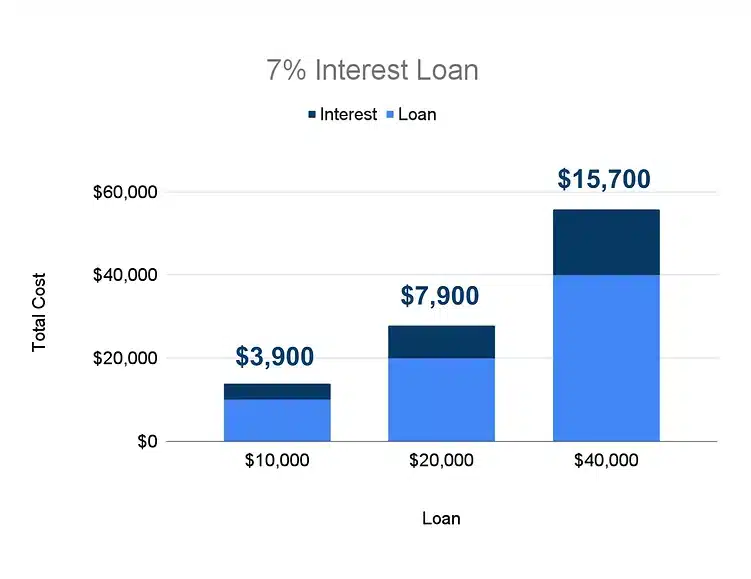
1. Zero Interest = Maximum Savings
Borrowers paid no interest, reducing total solar costs significantly.
2. Full Project Financing
Most residential systems were fully covered under the $40,000 cap.
3. Predictable Payments
10-year repayment ensured affordability.
4. Combined Incentives
Many homeowners used both grants and loans together.
Real Case Study: A Typical Canadian Home
Consider a homeowner in Ontario:
- Solar system cost: $22,000
- Loan: $22,000 at 0% interest
- Monthly repayment: ~$183 over 10 years
- Monthly energy savings: $120–$180
Net result: Nearly cost-neutral in the short term, profitable long-term. Without the loan, financing costs could increase total payments by thousands of dollars.
Solar Economics in 2026
Installation Costs
- $15,000–$30,000 typical range
Savings
- 30–70% reduction in electricity bills
Payback Period
- 7–10 years
Lifetime Value
- 20–25 years of energy generation
Even without federal loans, solar remains economically viable—though less accessible.
The 2026 Financing Gap: What Changed?
With the closure of both grants and loans:
Key Problem
Homeowners now face higher upfront or financing costs.
Available Alternatives
- HELOC (home equity loans)
- Provincial rebates
- Municipal financing programs
- Private green loans (4–6% interest)
However, none replicate the affordability of a 0% federal loan.
Industry Impact: Beyond Homeowners
The loan program affected more than consumers.
Solar Industry Growth
- Increased demand for installers
- Expansion of small solar businesses
Post-Closure Concerns
- Slower project pipelines
- Job uncertainty in some regions
Industry representatives warn that inconsistent policy can disrupt long-term investment.
Policy Criticism and Debate
While widely praised, the program faced criticism:
Access Inequality
Lower-income households often lacked:
- upfront liquidity
- home ownership
Administrative Complexity
- Lengthy approval timelines
- Required audits added delays
Funding Limitations
Critics argue the program ended too early relative to demand. Policy analysts suggest future programs must be:
- faster
- more inclusive
- better funded
Grid and Infrastructure Implications
Solar adoption also impacts Canada’s electricity system:
Benefits
- Reduced grid demand
- Lower peak load stress
Challenges
- Grid integration complexity
- Need for battery storage
Experts say future programs may prioritize solar + storage combinations.
What Should Homeowners Do Now?
Canada Greener Homes Loan Strategy (2026)
- Check provincial incentives
- Evaluate financing options (HELOC vs loan)
- Get multiple solar quotes
- Calculate ROI carefully
- Monitor federal policy updates
Energy advisors recommend acting early, as electricity prices continue to rise.
Future Outlook: What Comes Next?
Experts expect new federal programs, potentially including:
- Targeted low-income subsidies
- Tax credits for solar adoption
- Updated loan programs (possibly partial interest)
Canada’s commitment to net-zero emissions by 2050 makes future incentives highly likely.
Expert Insight
Energy economist Dr. Laura Bennett said:
“The success of the Greener Homes Loan proves that demand for solar is strong. The real challenge is ensuring financing remains accessible.”
Related Links
Silicon is Out? Why Perovskite Tandem Cells are Breaking Efficiency Records in 2026
AI-Powered Solar 2026: How Smart Energy Management Can Cut Your Household Bills by 25%
The Canada Greener Homes Loan remains one of the most influential clean energy programs in Canada’s recent history. Its closure has created challenges, but also highlighted the importance of accessible financing.
As policymakers look ahead, the next phase of solar incentives will likely build on its success while addressing its limitations.
FAQs
Is the Canada Greener Homes Loan still available?
No. It closed in October 2025.
Why was it so popular?
It eliminated interest and reduced upfront costs.
What should homeowners do now?
Explore provincial programs and financing options.
Will a similar program return?
Experts believe new programs are likely.