
Zero-interest solar financing reshaped how Canadians adopted renewable energy. The zero-interest solar financing, delivered through the Canada Greener Homes Loan, allowed homeowners to install solar systems without borrowing costs.
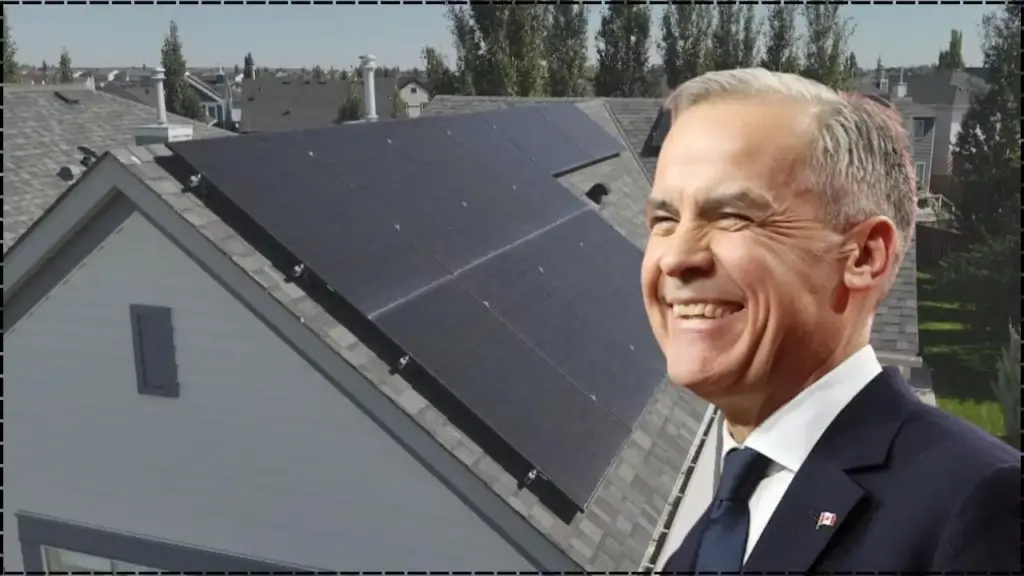
Although the program closed in 2025, its impact continues to define solar financing decisions, policy debates, and market trends across Canada in 2026.
Zero-Interest Solar Financing
| Key Fact | Detail | Why It Matters |
|---|---|---|
| Loan Cap | $40,000 | Covered most systems |
| Interest Rate | 0% | Eliminated financing cost |
| Status | Closed (2025) | No direct replacement |
| Payback | 7–10 years | Still viable investment |
What Is Zero-Interest Solar Financing and Why It Changed the Market
The Canada Greener Homes Loan introduced zero-interest solar financing as a policy tool to accelerate clean energy adoption. Administered by Natural Resources Canada (NRCan), the program removed the biggest barrier to solar adoption: upfront cost.
By allowing homeowners to repay solar installations over 10 years with no interest, the program effectively turned solar into a low-risk financial decision.
Timeline: From Policy Innovation to Funding Exhaustion
- 2022: Nationwide rollout
- 2023–2024: Rapid increase in solar adoption
- October 2025: Applications closed
- 2026: No new federal zero-interest financing
Energy analysts widely describe the program as “oversubscribed,” reflecting strong consumer demand rather than weak policy design.
Solar Economics in 2026: Still Worth It?
Average Costs
- $15,000–$30,000 per system
Savings Potential
- 30–70% reduction in electricity bills
Payback Period
- 7–10 years
Long-Term Value
- 20–25 years of electricity generation
Even without zero-interest financing, solar remains financially viable—though less accessible.
Regional Differences: Where Solar Works Best in Canada
Solar performance varies significantly across provinces:
High Potential Regions
- Alberta
- Saskatchewan
- Southern Ontario
These areas receive more sunlight, improving ROI.
Moderate Potential Regions
- British Columbia
- Quebec
Cloud cover and hydroelectric dominance reduce immediate financial benefits.
Northern Regions
- Lower winter production
- Higher system variability
Experts emphasize that location strongly affects financial outcomes, making regional analysis essential.
Electricity Prices: The Hidden Driver
One of the biggest factors behind solar adoption is rising electricity costs.
Key Trends:
- Increasing utility rates in major provinces
- Greater volatility in energy pricing
- Long-term upward trajectory
Higher electricity costs improve solar payback periods, making investments more attractive even without subsidies.
Financing Reality After 0% Loans
Current Options
1. HELOC (Home Equity Line of Credit)
- Lower interest (~5–7%)
- Flexible
2. Private Green Loans
- 4–6% interest
- Fixed repayment
3. Municipal Programs
- Example: Toronto HELP program
4. Provincial Incentives
- Vary widely across Canada
None match the affordability of zero-interest financing.
Case Scenario: Best vs Worst ROI
Best Case
- High sunlight region
- High electricity prices
- Efficient system
Payback: ~6–7 years
Worst Case
- Low sunlight region
- Lower electricity rates
- Financing with interest
Payback: ~12–15 years
This range highlights the importance of personalized financial planning.
Risks Homeowners Must Consider
1. Weather Variability
Solar output depends on sunlight availability.
2. Maintenance Costs
Though low, inverter replacement may be needed.
3. Policy Uncertainty
Future incentives are not guaranteed.
4. Financing Risk
Interest-based loans increase total cost. Experts recommend conducting a detailed cost-benefit analysis before installation.
Industry Impact: Boom and Adjustment
Growth Phase
- Surge in solar installers
- Increased employment
Post-Closure Adjustment
- Slower demand growth
- Market stabilization
Industry leaders warn that inconsistent policy can disrupt long-term investment.
Technology Shift: Solar + Storage
The future of solar in Canada is increasingly tied to battery storage systems.
Benefits:
- Energy independence
- Backup power during outages
- Better grid integration
Future government programs may prioritize combined solar-storage systems.
Climate Policy Context
Canada aims to achieve net-zero emissions by 2050, making residential energy upgrades a key policy area. Solar adoption plays a critical role in:
- Reducing emissions
- Decentralizing energy production
- Supporting clean energy targets
Policy Debate: Who Benefits Most?
Criticism:
- Programs favored homeowners
- Limited access for renters and low-income households
Policy Recommendation:
Experts suggest:
- Targeted subsidies
- Income-based incentives
- Expanded access programs
This debate continues to shape future policy design.
Zero-Interest Solar Financing Guide: What Homeowners Should Do in 2026
- Analyze electricity costs
- Compare financing options
- Evaluate regional solar potential
- Get multiple installer quotes
- Calculate long-term ROI
- Monitor policy updates
Expert Insight
Dr. Laura Bennett, energy economist:
“Zero-interest solar financing proved that affordability drives adoption. The next phase of policy must expand access while maintaining financial sustainability.”
Related Links
Missed the Solar Grant? Why the Canada Greener Homes Loan is Your Best Move Now
Canada’s $40,000 Interest-Free Solar Loan: How to Apply and Qualify in 2026
Zero-interest solar financing transformed Canada’s residential energy market, demonstrating the power of accessible funding. Although the program has ended, its impact continues to shape consumer decisions and policy direction.
As Canada advances toward its climate goals, the next generation of solar incentives will likely build on this model while addressing its limitations.
FAQs
Is zero-interest solar financing still available?
No. The federal program ended in 2025.
Is solar still worth it in 2026?
Yes, especially with rising electricity prices.
What is the best financing option now?
HELOCs and municipal programs are common choices.
Will the government bring back 0% loans?
Experts expect new programs, but details remain uncertain.