The UK is entering a new phase in housing policy, as regulations tied to the Future Homes Standard begin to reshape how homes are built and heated.
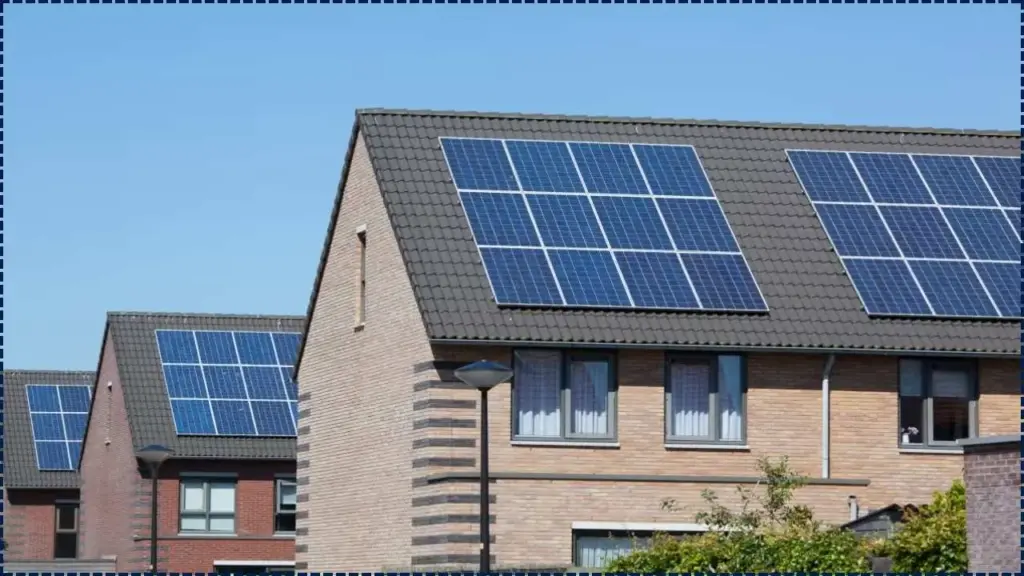
The shift toward solar panels and heat pumps is widely expected to make gas boilers obsolete in new builds, even without a formal nationwide ban.
The End of Gas Boilers
| Key Fact | Detail | Context |
|---|---|---|
| Implementation Timeline | Expected 2027–2028 | Government policy rollout |
| Gas Boilers | Effectively excluded in new builds | UK housing standards |
| Emissions Cut | ~75% vs older standards | Net-zero strategy |
| Heating Systems | Heat pumps favored | Compliance requirement |
| Solar Adoption | Majority of new homes | Rooftop generation push |
The UK’s new building regulations signal a decisive shift in housing policy, moving away from fossil fuel heating toward electrified, renewable-powered homes. While gas boilers are not formally banned, their role in new construction is rapidly diminishing as the country advances toward its long-term climate goals.
The full integration of solar panels and heat pumps into new homes marks an essential step toward a cleaner, more sustainable housing future.
However, ongoing debates about cost, feasibility, and policy implementation suggest the UK must remain adaptable as it navigates these transitions.
Understanding the “End of Gas Boilers” in UK Policy
The phrase “end of gas boilers” reflects a structural shift rather than a direct prohibition. The Future Homes Standard (FHS) introduces performance-based requirements that effectively exclude fossil fuel heating from new construction.
Under these rules, developers must meet strict carbon emission limits that gas boilers cannot achieve without costly offsets. As a result, industry analysts increasingly describe the policy as a “de facto phase-out.”
What the Future Homes Standard Requires
Low-Carbon Heating Systems Become the Norm
New homes built under the FHS will rely primarily on:
- Air-source or ground-source heat pumps
- Electric-based heating systems
- High-efficiency insulation and ventilation
These systems are designed to significantly reduce energy demand while eliminating reliance on fossil fuels.
Solar Panels as a Core Design Feature
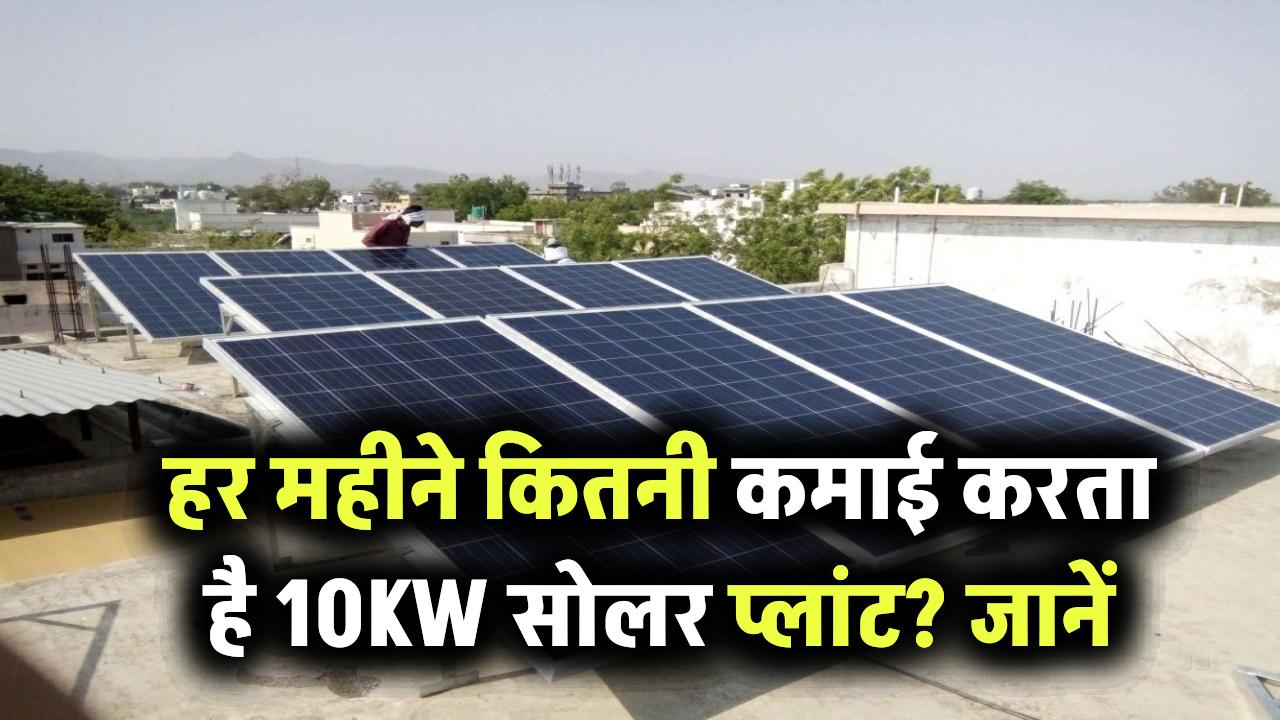
Solar panels are expected to be installed on most new homes, with some proposals suggesting coverage of up to 40% of roof space where feasible. This requirement aims to:
- Offset household electricity demand
- Reduce pressure on the national grid
- Support decentralized energy generation
Why Gas Boilers Are Being Phased Out
1. Climate Commitments
The UK’s legally binding target to reach net-zero emissions by 2050 requires deep reductions in residential emissions.Heating accounts for a substantial portion of household carbon output, making it a primary focus for reform.
2. Energy Security
Recent volatility in global energy markets has highlighted the risks associated with fossil fuel dependence. By promoting electrification and renewable energy, policymakers aim to:
- Reduce reliance on imported gas
- Stabilize long-term energy costs
- Improve national energy resilience
3. Efficiency Gains
Heat pumps can deliver more energy than they consume, making them significantly more efficient than traditional boilers. When combined with solar generation, they can further reduce operating costs.
Is There an Official Ban on Gas Boilers?
The UK government has not implemented a direct ban on gas boilers in all homes.
However:
- New homes will be built without gas connections
- Compliance rules effectively exclude gas heating
- Existing homes can continue using gas systems for now
This distinction reflects a gradual transition strategy rather than an abrupt policy change.

The China Slowdown: How Global Policy Shifts are Impacting the World’s Biggest Solar Producer
Economic Impact: Costs and Savings
Higher Construction Costs
Industry estimates suggest that incorporating heat pumps and solar panels could increase construction costs by several thousand pounds per home. Developers have expressed concerns about affordability and market impact.
Long-Term Savings for Homeowners
Supporters argue that:
- Lower energy bills offset initial costs
- Improved efficiency reduces lifetime expenses
- Homes may gain higher resale value
Industry Response: Support and Resistance
Homebuilder Concerns
Construction industry representatives have raised several issues:
- Supply chain readiness for heat pumps
- Design limitations for solar installation
- Potential delays in housing development
They argue that flexibility in regulations will be essential.
Environmental Advocacy Perspective
Environmental organizations support the transition but argue that:
- Implementation timelines are too slow
- Delays risk locking in fossil fuel infrastructure
- Stronger mandates are needed to meet climate targets
The Role of the Construction Sector
Builders and developers will play a critical role in implementing these changes. Key challenges include:
- Training workers in new technologies
- Scaling supply chains for heat pumps
- Integrating renewable systems into housing designs
Industry adaptation will be essential to meeting regulatory goals.
What About Existing Homes?
The new regulations apply primarily to new builds. For existing homes:
- No immediate requirement to replace gas boilers
- Government incentives encourage upgrades
- Transition is expected to occur gradually over decades
This phased approach aims to balance environmental goals with economic realities.
The Missing Element: Battery Storage
While solar panels and heat pumps are emphasized, battery storage is not currently mandated. Experts note that batteries could:
- Store excess solar energy
- Improve energy independence
- Reduce peak grid demand
Their absence from current regulations may limit the full potential of low-carbon homes.
Global Context: How the UK Compares
The UK is part of a broader international trend toward electrification of heating. Countries such as Norway and Sweden have already achieved high levels of heat pump adoption, supported by strong policy frameworks. The UK’s approach reflects a catch-up effort within this global transition.

Future Outlook
Policy analysts expect continued evolution in building standards, including:
- Stronger energy performance requirements
- Expanded incentives for renewable technologies
- Greater integration of smart energy systems
The trajectory suggests that fossil fuel heating will decline steadily in the coming decades.
Related Links
Tesla Powerwall 3 vs. Rivals: Which Battery Gets You the Max 2026 Rebate?
Net Metering vs. Net Billing: Which Canadian Utility Actually Saves You More?
The Role of Innovative Technology
Several industry experts are calling for further technological advancements, particularly in battery storage. Innovations in plug-in solar systems and hybrid heat pumps are expected to shape the market.
Notably, plug-in solar technology, which would allow homeowners to add small-scale solar systems without major installation costs, has seen increased demand, though experts urge caution regarding untested products.
As storage solutions improve and become more affordable, future regulations may expand to require household batteries in new builds, further enhancing energy independence.
FAQs
Are gas boilers banned in the UK?
No, but they are effectively excluded from new homes under upcoming regulations.
When will the new rules take effect?
Most changes are expected between 2027 and 2028.
Will all new homes have solar panels?
Most will, although some exceptions may apply depending on design constraints.
Are heat pumps mandatory?
They are not explicitly mandated but are the most common way to meet compliance requirements.