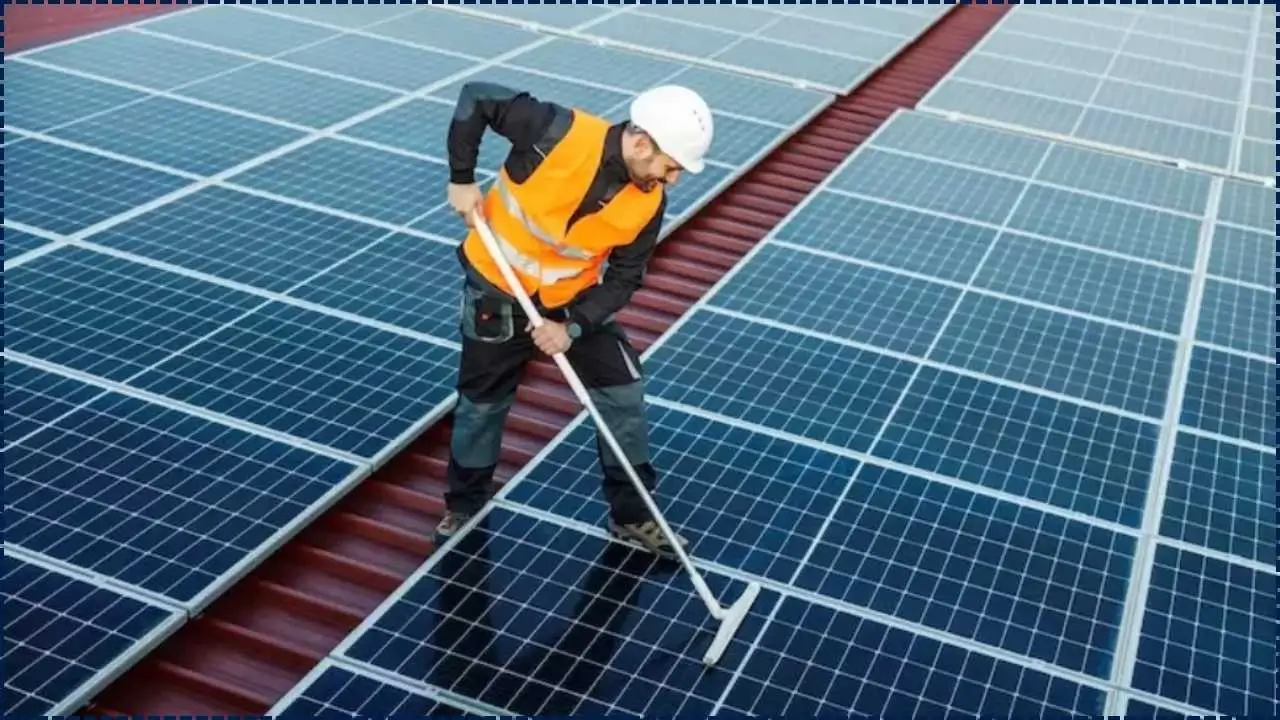
The 2027 VAT Cliff: why 2026 is your last chance for 0% tax on solar and batteries marks a critical deadline in UK energy policy, as a temporary tax exemption on renewable installations approaches its end.
With VAT set to return after March 2027, households face rising costs and a narrowing window to secure maximum financial benefits.
The 2027 VAT Cliff
| Key Fact | Detail |
|---|---|
| Current VAT | 0% on solar and battery systems |
| Expiry | 31 March 2027 |
| Expected VAT | 5% (possible future increase) |
Understanding the 2027 VAT Cliff
The UK government introduced a zero-rate VAT on energy-saving materials in 2022 to accelerate renewable adoption and ease household energy costs. This measure applies to:
- Solar photovoltaic systems.
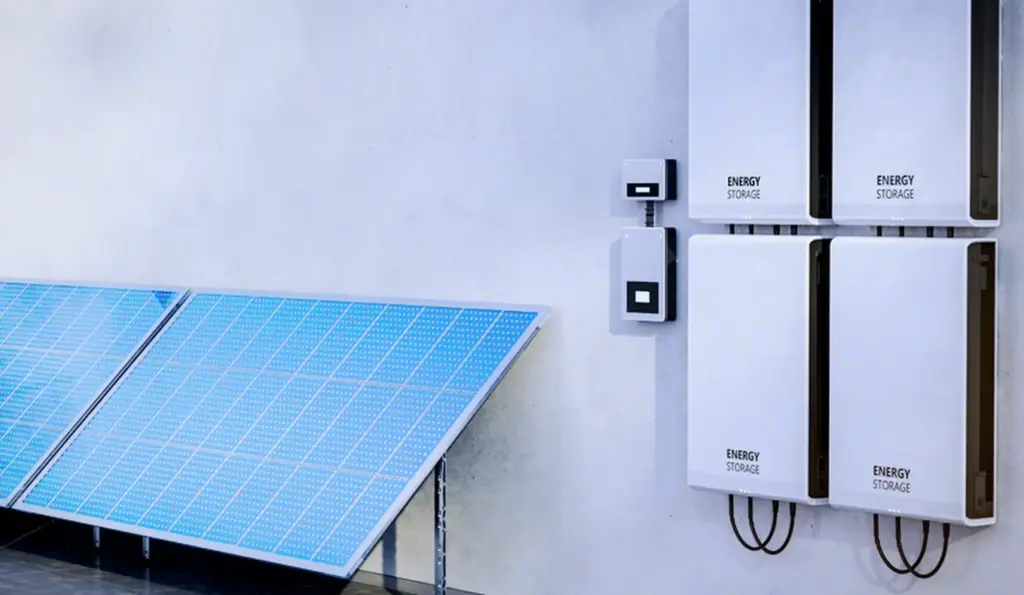
- Battery storage (including retrofits).
- Other energy-saving technologies.
The policy is scheduled to expire on 31 March 2027. Unless extended, VAT will revert to 5%, increasing upfront installation costs.
Why 2026 Is the True Cutoff
Although the official deadline is in 2027, industry dynamics make 2026 the effective last opportunity.
Installation Pipeline Delays
Solar projects involve multiple stages:
- Initial consultation.
- Technical design.
- Permits and approvals.
- Installation scheduling.
These processes can take several months, particularly in high-demand periods.
Demand Surge and Capacity Limits
As deadlines approach, installers expect:
- Rapid increases in bookings.
- Limited workforce availability.
- Longer waiting times.
This creates a bottleneck effect, pushing many installations beyond the VAT-free window.
Financial Impact: Beyond the Headline Numbers
Direct Cost Increase
The return of VAT will raise installation costs immediately. Example:
- £12,000 system today → £12,600 after VAT returns
While seemingly modest, this increase compounds across larger systems and multiple upgrades.
Hidden Cost Effects
The VAT cliff also influences:
- Financing costs (higher loan amounts).
- Insurance valuations.
- Maintenance and upgrade decisions.
These secondary effects can further affect affordability.
Financing Models: How Households Are Paying for Solar
Cash Purchases vs Financing
Homeowners typically choose between:
- Upfront payment.
- Loans or green financing.
- Leasing or power purchase agreements (PPAs).
The VAT exemption reduces borrowing needs, making financing more accessible.
Role of Green Finance
Banks and financial institutions are increasingly offering:
- Low-interest green loans.
- Mortgage-linked financing.
- Government-backed schemes.
These options can offset upfront costs but may be affected by VAT changes.
Supply Chain Pressures and Industry Capacity
Equipment Availability
Global supply chains for solar panels and batteries remain sensitive to:
- Raw material availability.
- Manufacturing capacity.
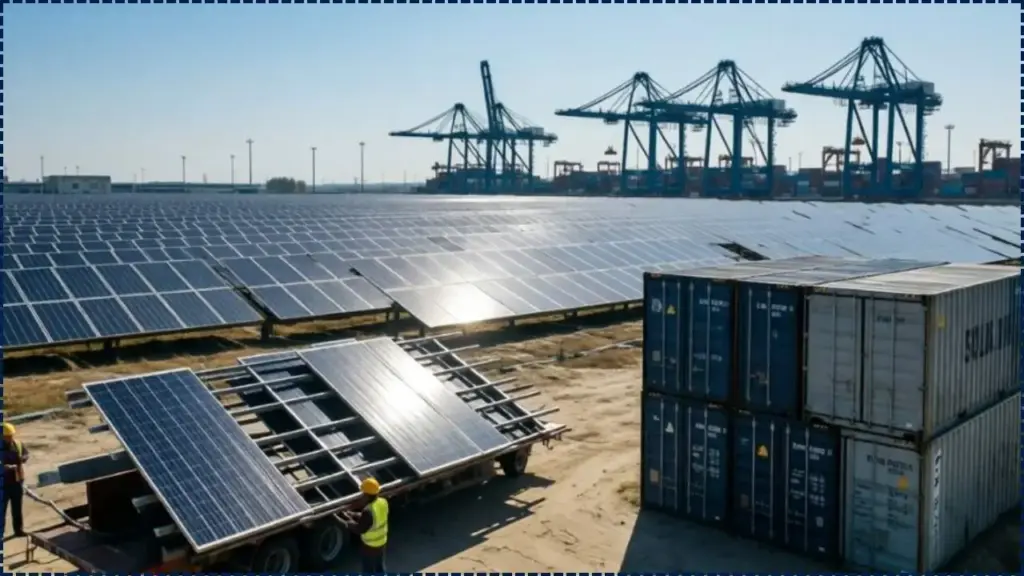
- Shipping disruptions.
A surge in demand ahead of 2027 could strain these systems.
Installer Workforce Challenges
The UK faces a shortage of certified installers, which may lead to:
- Increased labor costs.
- Delayed project timelines.
- Variability in installation quality.
Industry groups are calling for expanded training programs to address this gap.
Behavioral Economics: Why Deadlines Drive Adoption
Psychologists and economists note that fixed deadlines influence consumer behavior. The VAT cliff creates:

- Urgency in decision-making.
- Increased perceived value of incentives.
- Acceleration of purchasing timelines.
This phenomenon has been observed in previous government incentive programs.
Grid Impact: What More Solar Means for the UK
Increased Distributed Generation
More rooftop solar installations will:
- Reduce grid demand during daylight hours.
- Increase energy self-sufficiency.
Role of Battery Storage
Batteries allow households to:
- Store excess solar energy.
- Use electricity during peak pricing periods.
- Support grid stability.
This aligns with broader trends toward decentralized energy systems.
Policy Context and Future Scenarios
Why the VAT Relief Was Introduced
The government aimed to:
- Accelerate decarbonization.
- Lower household energy bills.
- Encourage private investment in clean energy.
What Happens After 2027?
Three possible scenarios:
- Scenario 1: VAT Returns to 5%: Most likely outcome under current policy.
- Scenario 2: Extension of 0% VAT: Possible if adoption targets are not met.
- Scenario 3: Policy Redesign: Government may introduce new incentives or subsidies.
International Comparison
The UK’s VAT relief is relatively simple compared to other countries:
- Germany: Long-term subsidies and feed-in tariffs.
- United States: Federal tax credits (up to 30%).
- Australia: Strong battery adoption incentives.
These comparisons highlight the temporary nature of the UK’s approach.
Risks and Criticisms
Equity Concerns
Critics argue that:
- Higher-income households benefit more.
- Upfront costs remain a barrier for many.
Market Distortion
Some analysts warn that:
- Artificial demand spikes may distort pricing.
- Post-2027 demand could decline sharply.
Strategic Guidance for Homeowners
Start Early
Begin planning well before 2026 to avoid delays.
Combine Systems
Installing solar and batteries together maximizes benefits.
Verify Eligibility
Ensure compliance with VAT exemption requirements.
Plan for the Long Term
Consider future energy needs, including electric vehicles and home electrification.
Related Links
Net Metering vs. Net Billing: Which Canadian Utility Actually Saves You More?
Final Perspective
The 2027 VAT Cliff represents a clear and measurable policy deadline with real financial consequences. While the long-term trajectory of renewable adoption remains strong, the next two years offer a unique window for households to act. As one industry analyst noted, “The incentive is simple, but the timing is everything.”
FAQs
What is the VAT cliff?
It is the end of the 0% VAT rate on solar and battery installations in March 2027.
Why is 2026 important?
Installation delays and demand surges make it the last practical year to benefit.
Will VAT increase further?
Currently expected to return to 5%, but future changes are possible.
Should homeowners act now?
Experts recommend early planning to secure installation within the VAT-free period.