

The 2026 Battery Rebate Guide underscores the growing importance of home energy storage, especially with incentives making solar and battery storage systems more financially accessible.
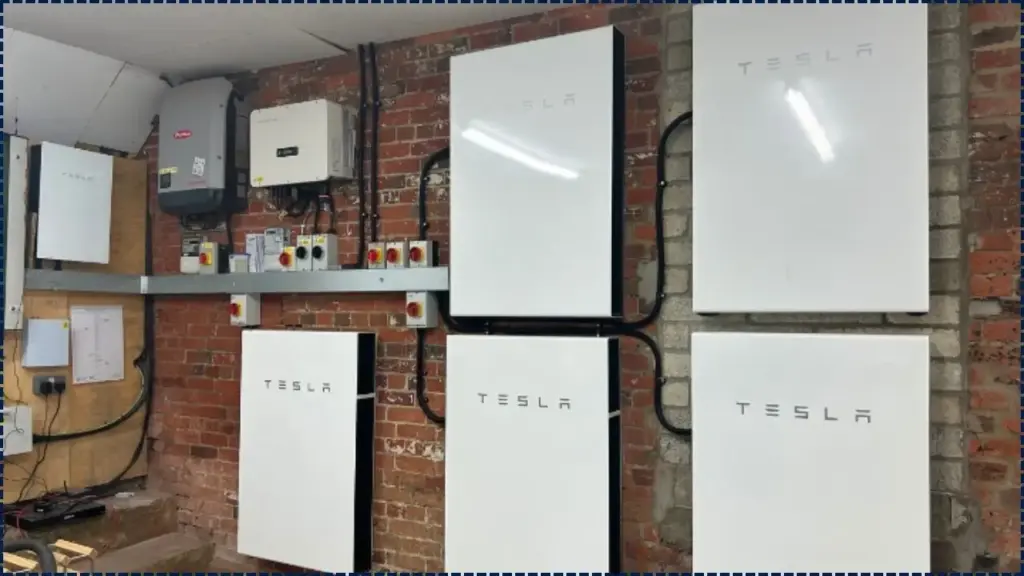
With government rebates helping reduce costs by up to 30%, many homeowners are grappling with choosing between Tesla Powerwall and Enphase IQ Batteries. The decision is not just about price but about capacity, scalability, installation ease, and long-term savings.
In this in-depth comparison, we break down everything you need to know to make the best decision for your home’s energy needs.
2026 Battery Rebate Guide
| Feature | Tesla Powerwall | Enphase IQ Battery |
|---|---|---|
| Usable Capacity | 13.5 kWh | 5 kWh per unit |
| Scalability | Limited (stack units) | Highly modular |
| Backup Type | Whole-home backup | Partial/full backup |
| Price Range | ₹4.2L–₹5.6L | ₹4L–₹6L |
| Best For | Larger homes, whole-house backup | Modular, scalable systems |
The 2026 Battery Rebate Guide highlights how both Tesla Powerwall and Enphase IQ Battery offer unique advantages. Tesla is perfect for large homes requiring full backup, while Enphase shines in flexibility and affordability.
As battery rebates continue to make these systems more accessible, homeowners must consider their energy needs, budget, and future growth potential when selecting the best home energy storage system.
The 2026 Battery Rebate Landscape: How It Affects You
Home battery storage is becoming a crucial part of green energy solutions in 2026. With the expansion of government rebates and tax incentives, many consumers are finally able to consider home energy storage options that were previously too costly.
In some regions, rebates cover up to 30% of installation costs for solar and battery systems, significantly reducing the financial burden.
Key Government Incentives:
- 30% tax credits for solar plus storage systems.
- Rebates for grid-independent homes (in certain areas).
- Additional energy efficiency rebates for energy-efficient systems.
These incentives have spurred the adoption of solar battery systems, and now both Tesla and Enphase offer compelling solutions.

Tesla Powerwall: Streamlined, High-Capacity Backup
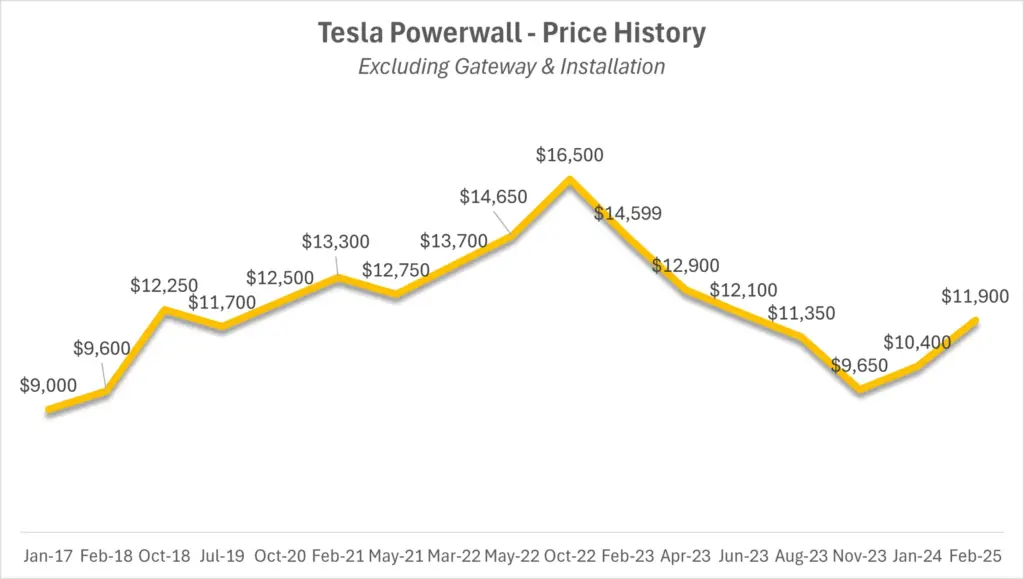
The Tesla Powerwall has become the gold standard in home energy storage. With a 13.5 kWh capacity, it is designed for users with higher energy needs, offering whole-home backup during grid failures.
Key Features:
- 13.5 kWh usable capacity for extensive home backup.
- Integrated energy management system.
- Smart software with mobile app integration.
- Automatically adjusts to time-of-use pricing.
- Stackable system (can be expanded with additional units).
Pros:
- High capacity, best for whole-home backup.
- Seamless integration with solar and backup power.
- Superior software and monitoring app,
- Time-of-use optimization (save on utility bills).
Cons:
- High initial cost, making it an investment upfront.
- Limited scalability (requires stacking full units).
- Installation may require professional expertise, adding to costs.
Enphase IQ Battery: Modular and Scalable for Flexibility
Unlike the Tesla Powerwall, the Enphase IQ Battery uses a modular design, offering flexibility and scalability for users who may not need whole-home backup initially but want the option to expand over time.
Key Features:
- 5 kWh per unit, designed to integrate with solar systems using Enphase microinverters.
- Modular expansion—add batteries as needed.
- Backup power capabilities for critical loads (expandable to full-home backup).
- Designed for easy integration with existing solar systems.
Pros:
- Flexible and scalable—expand as per power needs.
- Lower initial cost compared to the Tesla Powerwall.
- Easy expansion with additional units.
- Compatible with both new and existing solar systems.
Cons:
- Lower capacity per unit, requiring multiple units for full home backup.
- Complex installation for optimal system configuration.
- Needs additional battery management hardware for larger setups.
Performance, Efficiency, and Reliability Comparison
Tesla Powerwall:
- Energy efficiency: 90%+ (round-trip efficiency).
- Battery type: Lithium Nickel Manganese Cobalt (NMC).
- Average lifespan: 10–15 years.
- Warranty: 10-year limited warranty.
- Best use case: Entire home backup during grid failure.
Enphase IQ Battery:
- Energy efficiency: 90% (round-trip efficiency).
- Battery type: Lithium Iron Phosphate (LFP).
- Average lifespan: 10–15 years.
- Warranty: 10-year limited warranty.
- Best use case: Scalable backup for small-to-medium homes, expandable as needed.
Cost and ROI Breakdown: Which Battery System Wins?
Both Tesla Powerwall and Enphase IQ Battery are solid options, but the overall cost can vary based on installation needs and your home’s energy consumption. Here’s a breakdown of the key metrics:
Tesla Powerwall
- Unit Cost: ₹4.2–₹5.6 lakh (globally).
- Installation Cost: ₹1–₹1.5 lakh (depending on region).
- Total Cost for Full Installation: ₹5.2–₹7 lakh.
Return on Investment (ROI):
- Break-even: 6–8 years, depending on local energy prices.
- Energy savings: Can save up to 40% of monthly electricity bills by shifting consumption to off-peak hours.
Enphase IQ Battery
- Unit Cost: ₹4 lakh–₹5 lakh.
- Installation Cost: ₹80,000–₹1.2 lakh (for modular setup).
- Total Cost for Full Installation: ₹4.8–₹6.2 lakh.
Return on Investment (ROI):
- Break-even: 7–10 years.
- Energy savings: Can save up to 30% of monthly electricity bills.
Installation Process and Time (NEW)
Tesla Powerwall:
- Requires professional installation.
- Timeline: 1-3 days, depending on home setup.
- Potential delays due to high demand or complex home energy needs.
Enphase IQ Battery:
- More flexible, but still requires professional setup.
- Timeline: 2–5 days for full modular installations.
- Greater complexity due to battery management system for multi-unit setups.
Consumer Satisfaction and Support
Tesla Powerwall:
- High customer satisfaction, especially for full-home backup systems.
- Excellent customer service, but some users report delays in installation during high demand periods.
Enphase IQ Battery:
- Strong ratings for flexibility and scalability, but some consumers experience challenges in configuring multi-unit systems.
- Known for high-quality support from both Enphase and installation partners.
Expert Analysis: A Balanced Approach
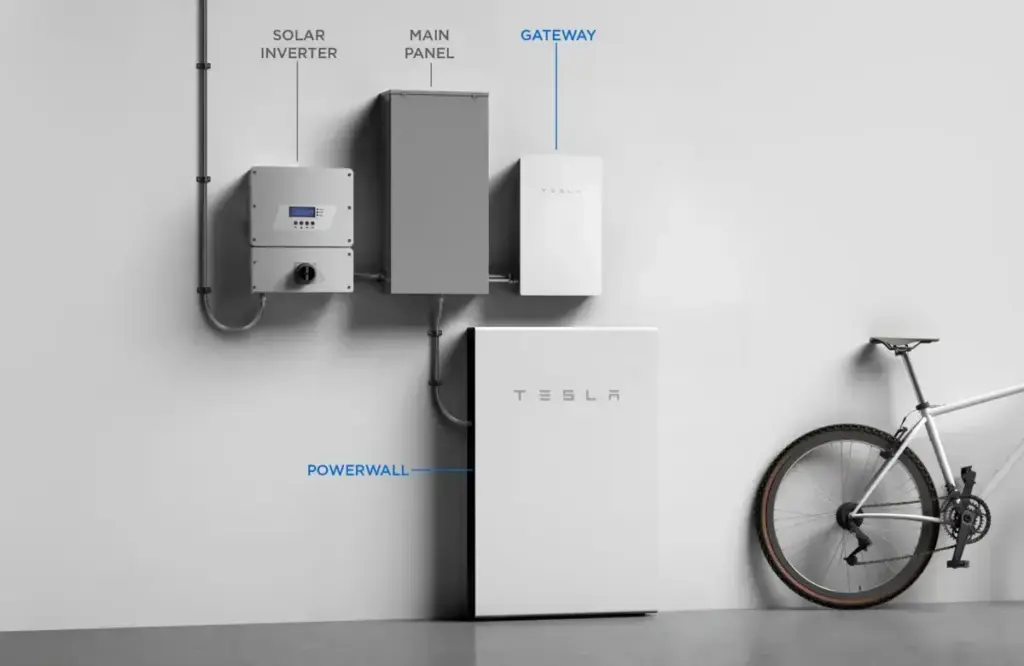
“Both Tesla and Enphase are highly reputable brands in the home battery storage market,” says an energy industry analyst. “Tesla offers a premium, all-in-one system for large homes, while Enphase provides modular flexibility for homes looking to scale their system gradually.”
Related Links
Save £300/Year on Rent: The UK’s New DIY Balcony Solar Rules for Flat Owners
SA’s $880 VPP Bonus: How to Claim Your REPS Cash Incentive in 2026
Final Verdict: Tesla vs Enphase
Tesla Powerwall:
- Best for large homes needing whole-home backup.
- Ideal for those seeking simple, integrated solutions.
- Higher upfront cost but fewer hassles in the long term.
Enphase IQ Battery:
- Perfect for smaller to medium homes and those looking for flexibility.
- More affordable initially and offers scalable installation.
- Better for gradual expansion based on evolving energy needs.
FAQs
Which battery lasts longer, Tesla or Enphase?
Both systems offer similar lifespan (10-15 years), but Tesla may provide faster ROI in larger installations.
Is Enphase better than Tesla for small homes?
Yes, Enphase is better for small-to-medium homes due to its modular nature and lower upfront cost.