The United Kingdom’s transition towards decentralised energy has accelerated the adoption of solar panels and home battery systems. The Octopus Flux 2026 review examines whether this once-dominant smart tariff remains the best option for households seeking to optimise energy costs.
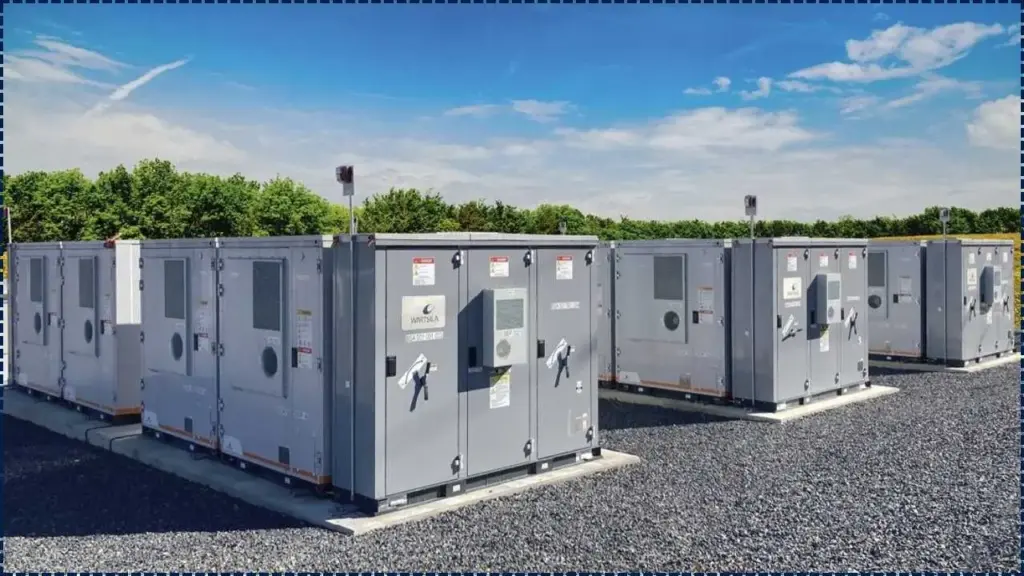
Analysts say its effectiveness now depends on pricing volatility, automation, and how actively users manage their energy consumption.
Understanding the Octopus Flux Model
Octopus Energy developed Flux as a time-of-use tariff designed for solar and battery households. It divides the day into three pricing windows:
- Off-peak (overnight): Lowest import rates.
- Daytime: Moderate pricing.
- Peak (4pm–7pm): Highest import and export rates.
This system encourages households to shift consumption and maximise returns from stored energy.
Why Octopus Flux Became Popular
Flux stood out because it allowed households to participate in energy markets. Instead of merely saving on bills, users could:
- Earn revenue by exporting electricity.
- Optimise battery usage.
- Reduce reliance on grid electricity.
“Flux effectively turns households into active energy traders,” said a UK energy economist.
Octopus Flux 2026 Review: Key Market Changes
1. Declining Export Tariffs
Export rates have fallen across the UK, reducing guaranteed income for solar households. This reflects broader energy market shifts, including increased renewable supply and lower wholesale prices.
2. Ultra-Low Night Rates
Excess renewable generation has pushed overnight electricity prices to record lows. This creates significant arbitrage opportunities for battery users.
3. Automation Through Intelligent Tariffs
Intelligent Octopus Flux automates battery charging and export decisions. This reduces complexity and improves consistency, especially for less engaged users.
Financial Modelling: How Much Can You Save?
Example Scenario (Typical UK Home)
- Battery capacity: 10 kWh.
- Night charging cost: low rate.
- Peak export price: higher rate.
Potential outcome:
- Profit per cycle depending on price gap.
- Annual savings: hundreds of pounds (varies widely).
Key Variables Affecting Savings
- Battery size and efficiency.
- Solar generation levels.
- Household consumption timing.
- Tariff rate fluctuations.
Experts stress that savings are highly individualised.
Behavioural Economics: Why Usage Matters
Flux rewards active energy behaviour.
Users must:
- Shift consumption to off-peak hours.
- Monitor pricing patterns.
- Optimise export timing.
“Tariffs like Flux depend as much on behaviour as technology,” said an energy researcher.
Real-World Case Study
Household A (Highly Optimised)
- Uses automation or manual optimisation.
- Charges battery overnight.
- Exports during peak.
Result: Maximum savings and revenue.

Ultra-Thin Solar Panel: सोलर एनर्जी में आई बड़ी क्रांति – अब दीवारों और कपड़ों पर भी लग सकेंगे पैनल!
Household B (Passive User)
- Minimal engagement.
- Uses energy without optimisation.
Result: Reduced benefits, closer to standard tariff outcomes.
Comparison with Fixed Tariffs
Fixed Tariff
- Predictable pricing.
- No optimisation required.
- Lower risk.
Flux Tariff
- Variable pricing.
- Higher potential savings.
- Requires active management.
Experts note that risk tolerance plays a key role in tariff selection.
Octopus Flux vs Other Smart Tariffs
| Tariff | Strength | Limitation |
|---|---|---|
| Flux | Solar + battery optimisation | Requires engagement |
| Agile | Dynamic pricing | High volatility |
| Go | EV charging | Limited export benefit |
| Intelligent Flux | Automation | Less user control |
Installation and Payback Considerations
To benefit fully, households need:
- Solar panels.
- Battery storage.
- Smart meter.
Cost Overview
- Solar + battery system: £8,000–£12,000+
Payback Period
- Typically 5–10 years depending on usage and tariffs.
Risks and Uncertainties
Policy Changes
Government regulations may alter export pricing structures.
Market Volatility
Electricity prices fluctuate based on supply and demand.
Battery Degradation
Battery performance declines over time, reducing efficiency.
Environmental Impact and Grid Stability
Flux contributes to:
- Reduced peak demand.
- Better utilisation of renewable energy.
- Increased grid flexibility.
According to the International Energy Agency (IEA), demand-side flexibility is essential for integrating renewable energy.
Future of Smart Tariffs in the UK
The energy sector is moving towards:
- AI-driven energy optimisation.
- Fully automated tariffs.
- Real-time pricing systems.
Experts believe manual tariffs like Flux may evolve into intelligent systems.
Related Links
WA Battery Bonus: How Synergy & Horizon Customers Can Claim Up to $7,500
Nova Scotia Solar 2026: Why 1:1 Net Metering is Better Than a One-Time Grant
Who Should Choose Octopus Flux in 2026?
Best For
- Solar + battery owners.
- Users comfortable with energy optimisation.
- Households seeking maximum savings.
Not Ideal For
- Users preferring simplicity.
- Homes without battery systems.
- Risk-averse households.
The Octopus Flux 2026 review shows that the tariff remains a powerful option for engaged users but is no longer universally dominant. Falling export rates and the rise of automation have reshaped its value proposition.
For many households, success with Flux now depends less on the tariff itself and more on how effectively it is used.