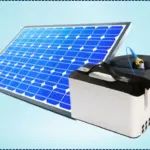
Canada is spearheading a transformative energy transition in its most remote and Indigenous communities. The Ditching Diesel initiative—backed by federal and provincial programs—focuses on replacing diesel generators with renewable energy sources like solar power.
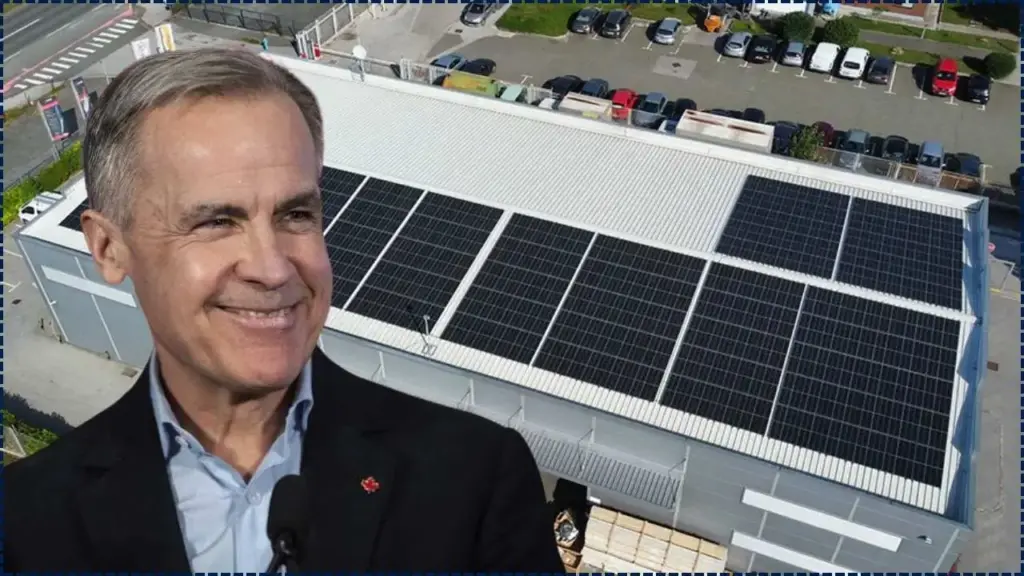
This ambitious move aims to reduce greenhouse gas emissions, lower energy costs, and enhance energy resilience in off-grid areas. With over 200 communities still relying on diesel, the federal government’s Clean Energy for Rural and Remote Communities (CERRC) and Indigenous leadership programs have emerged as critical drivers of this change.
Off-Grid Solar for Remote Areas
| Key Fact | Detail/Statistic |
|---|---|
| Communities reliant on diesel | 200+ remote communities |
| Federal funding (CERRC) | CAD 220 million+ |
| Indigenous Leadership Fund | CAD 180 million |
| Diesel reduction potential | Up to 80% in hybrid systems |
Why Diesel Has Long Powered Remote Canada
Canada’s vast geography and isolated communities have traditionally made electricity access difficult and expensive. For remote regions, diesel-powered electricity generation became the most viable option. However, this system is riddled with drawbacks:
- High Costs: Diesel is costly due to the need for transportation to remote areas.
- Environmental Impact: Diesel fuel contributes to greenhouse gas emissions and air pollution.
- Energy Security: Dependence on diesel creates vulnerabilities, with supply chains exposed to disruption.
For many communities, diesel dependence has also meant environmental degradation and high operational costs.
The Federal Strategy Behind “Ditching Diesel”
Clean Energy for Rural and Remote Communities Program (CERRC)
The Canadian government launched CERRC to promote the adoption of clean energy alternatives in off-grid communities. The program provides funding to support:
- Renewable energy systems: Solar panels, wind turbines, and storage technologies.
- Hybrid microgrids: Combining solar power, storage, and backup diesel generators.
- Energy efficiency initiatives: Building energy-efficient infrastructure and retrofitting existing buildings.
With an initial budget of CAD 220 million, the program aims to transition communities from fossil fuels while creating sustainable and cost-effective energy solutions.
Indigenous Leadership Fund
The Indigenous Leadership Fund specifically supports Indigenous-led energy projects. With CAD 180 million in funding, this initiative promotes:
- Community-owned solar energy projects.
- Local job creation through energy project development.
- Economic and environmental empowerment for Indigenous peoples.
Projects under this fund are designed to provide long-term economic benefits while reducing energy poverty. The focus is not just on energy but on enhancing self-determination and sovereignty through clean energy ownership.
“Energy sovereignty is crucial for Indigenous communities,” said a policy advisor involved with Indigenous energy projects.
How Off-Grid Solar Systems Are Being Deployed
Hybrid Microgrid Systems: A Transitionary Model
The Canadian strategy often uses hybrid microgrids in remote areas. These systems integrate multiple energy sources:
- Solar panels generate energy during the day.
- Battery storage stores excess power for nighttime use.
- Diesel generators act as backup to ensure reliability during cloudy days or high demand.
Hybrid systems allow for gradual reduction in diesel use, while providing flexibility and reliability to communities.
Solar’s Feasibility in Northern Canada
Despite extreme weather conditions, solar power is an increasingly viable solution in northern Canada. With the advent of more efficient solar panels and advanced battery storage technologies, solar installations are making it possible for northern communities to:
- Utilize long daylight hours in summer.
- Generate solar energy in winter months, though at reduced capacity.
- Pair solar with high-efficiency batteries for consistent power.
Energy experts note that when paired with energy-efficient appliances and strong battery storage, solar can power communities year-round.
Case Study: Fort Chipewyan Solar Project
One successful example is the Fort Chipewyan solar project, which has dramatically reduced the community’s diesel dependence.
- Capacity: 2.2 MW
- Diesel reduction: ~800,000 liters per year.
- Ownership: Jointly owned by local Indigenous leaders and government partners.
The project serves as a model for other communities. The solar energy now provides approximately 25% of the community’s power needs, significantly reducing diesel consumption and its environmental footprint.
Economic Benefits: From High Costs to Long-Term Savings
Diesel Energy: An Expensive and Unsustainable Option
While diesel has been the default choice for energy in remote communities, its costs have continued to rise:
- Transporting diesel is expensive, with deliveries occurring via air or seasonal ice roads.
- Fuel volatility means that price increases or supply disruptions lead to higher costs for consumers.
- Environmental damage associated with fossil fuels further drives up the long-term costs.
Solar as a Sustainable Investment
Although solar installations require significant upfront capital, the long-term savings are significant. Government funding programs, particularly CERRC, help offset initial costs. Over time, solar power:
- Reduces fuel expenses.
- Stabilises energy pricing.
- Cuts emissions significantly.
In the case of Fort Chipewyan, the projected long-term savings from the solar project are estimated to be in the millions of dollars over its 20-year lifespan.
Indigenous Leadership in Energy Transition
The focus on Indigenous leadership in Canada’s clean energy initiatives is particularly noteworthy. Indigenous communities are not just participants in the transition—they are leading it.
Projects such as the Tsuut’ina Solar Project and the Tahltan Nation’s Microgrid Project demonstrate how Indigenous communities are embracing clean energy solutions to build resilience, reduce costs, and empower local economies.
“Energy is a tool of empowerment for our communities, and clean energy offers us the chance to break free from external dependencies,” said an Indigenous energy leader.
Challenges: What’s Standing in the Way?
Technical Barriers
- Harsh weather conditions in northern communities make installation and maintenance challenging.
- Battery storage technology still needs improvements to ensure long-term viability in extreme climates.
Financial Complexity
Although government programs provide substantial funding, the process of securing and managing the financial components of renewable projects can be complex. Communities often need to navigate:
- Multiple layers of funding.
- Private sector involvement.
- Legal and regulatory challenges.
The Global Picture: Canada’s Leadership in Off-Grid Solar
Canada is not alone in transitioning away from diesel power in remote communities. Countries like Australia, Norway, and New Zealand have also initiated similar projects.
However, Canada is unique in its strong emphasis on Indigenous leadership and community-driven energy sovereignty.
Related Links
The 2027 VAT Cliff: Why 2026 is Your Last Chance for 0% Tax on Solar & Batteries
The VPP Revolution: How Your Home Battery is Replacing Coal and Gas in 2026
Future Outlook: What’s Next for Canada’s Energy Transition?
The Canadian government aims to eliminate diesel use in all remote communities by 2035. Key initiatives include:
- Expanding microgrids to include wind and hydro alongside solar.
- Enhancing energy storage capacity to improve efficiency and reliability.
- Increased collaboration with the private sector to support innovation in off-grid energy solutions.
Canada’s Ditching Diesel initiative represents a crucial step in transitioning its most vulnerable communities to sustainable, clean energy. With federal support, Indigenous leadership, and increasing technological innovation, Canada is poised to set a global example in how remote regions can break free from fossil fuel dependence.
While challenges remain, the path forward is clear: solar power, combined with smart financing and community ownership, holds the key to a resilient and sustainable future.