
Australia’s electricity market is undergoing a structural transformation, marked by rapid price swings and rising renewable energy penetration.
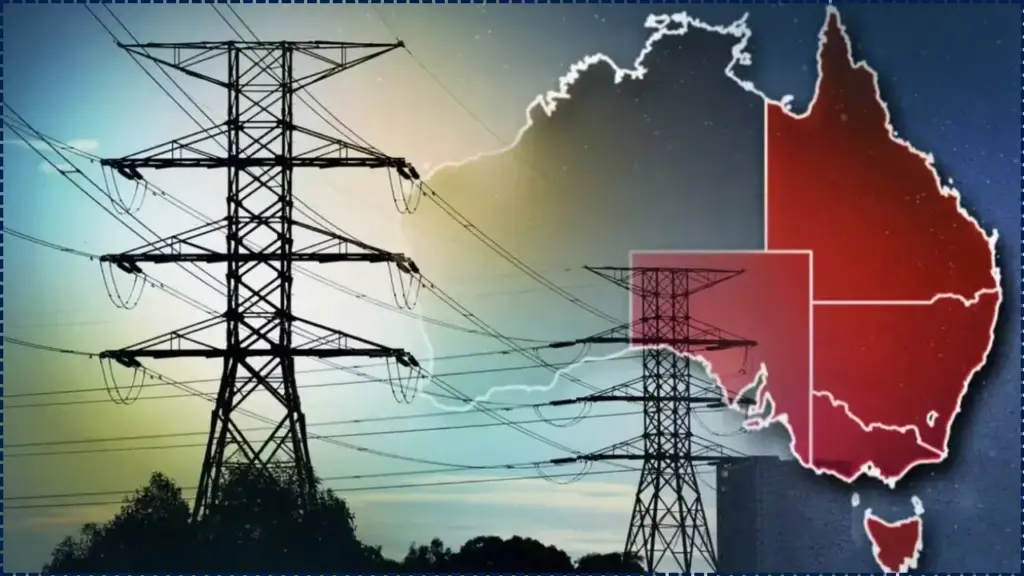
Known as Australia’s $1.00/kWh Opportunity, these price spikes—sometimes reaching extreme levels—are enabling households with solar panels and battery storage to reduce costs and, in some cases, earn income by responding to real-time grid conditions.
Australia’s $1.00/kWh Opportunity
| Key Fact | Detail/Statistic |
|---|---|
| Price Volatility | Prices reset every 5 minutes in Australia’s grid |
| Extreme Price Cap | Up to ~AUD 20,300 per MWh (~$20/kWh) |
| Core Opportunity | Store low-cost energy, use or export during peaks |
| Participation Barrier | Requires solar, battery, and dynamic pricing access |
Australia’s $1.00/kWh Opportunity reflects a rapidly evolving energy landscape shaped by renewable generation and real-time pricing. While it offers tangible benefits for some households, its long-term impact will depend on technology adoption, policy frameworks, and market evolution.
For now, it represents both a glimpse of the future and a test case for how decentralized energy systems can redefine the relationship between consumers and the grid.
What Is Australia’s $1.00/kWh Opportunity?
The concept of Australia’s $1.00/kWh Opportunity refers to the ability of energy consumers—particularly households—to benefit from sharp increases in electricity prices during periods of grid stress.
Australia’s National Electricity Market (NEM) operates on a real-time pricing system, where electricity prices fluctuate every five minutes based on supply and demand. While average wholesale prices remain moderate, short-lived spikes can push prices far above typical retail levels.
According to analysts, these spikes can occasionally translate to price equivalents of $1 per kilowatt-hour or more, especially during extreme demand conditions. Dr. Emily Harper, an energy systems researcher, explains:
“Australia’s energy market is one of the most dynamic globally, and that volatility creates both risks and opportunities for consumers.”
How the Market Structure Enables This Opportunity
Real-Time Pricing and Dispatch
Electricity in Australia is dispatched based on competitive bids from generators. The highest accepted bid sets the price for all electricity during that interval. This system incentivizes:
- Efficiency in generation.
- Rapid response to demand.
- Investment in flexible energy resources.
However, it also means prices can change dramatically within minutes.
Why Electricity Prices Spike
1. Solar Oversupply
Australia’s rooftop solar capacity is among the highest per capita globally. During midday, solar generation can exceed demand, pushing prices downward or even into negative territory.
2. Evening Demand Peaks
As solar output declines in the evening, demand rises sharply. This mismatch forces reliance on more expensive generation sources, such as gas-fired power plants.
3. Grid Constraints and Outages
Transmission limitations or unexpected plant outages can reduce available supply, leading to sudden price increases.
4. Extreme Weather Events
Heatwaves and cold spells significantly increase electricity consumption, often coinciding with reduced generation efficiency.
How Households Can Benefit
Solar and Battery Arbitrage
Households equipped with solar panels and batteries can:
- Store energy when prices are low.
- Use stored energy or export it when prices are high.
This process, known as arbitrage, allows households to capture value from price differences.
Energy consultant Daniel Price notes:
“Battery systems turn homes into active market participants rather than passive consumers.”
Virtual Power Plants (VPPs)
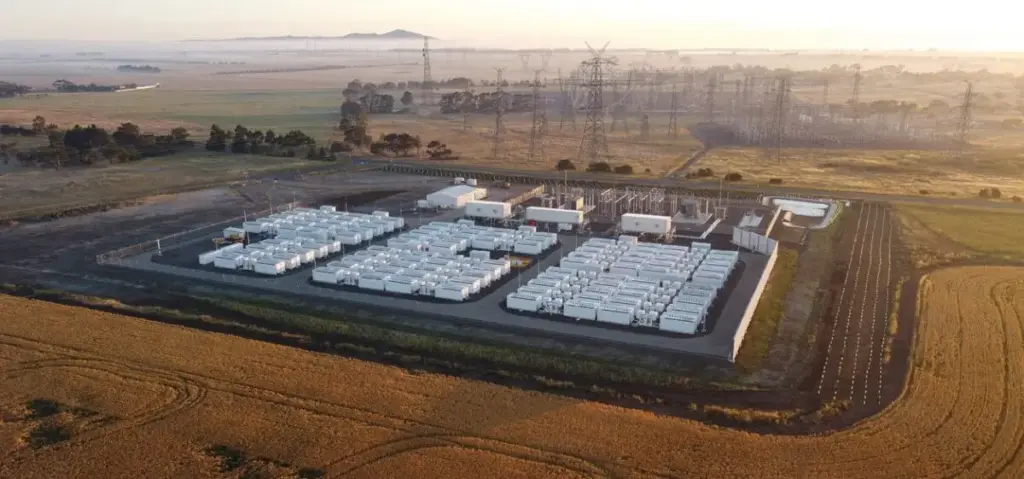
Virtual Power Plants aggregate distributed energy resources, such as household batteries, into coordinated networks. These systems:
- Supply electricity during peak demand.
- Provide grid stability services.
- Offer financial incentives to participants.
The Australian Renewable Energy Agency (ARENA) has identified VPPs as a critical component of future grid management.
Smart Appliances and Automation
Advanced energy management systems can automatically adjust household consumption based on price signals. Examples include:
- Scheduling appliances during low-cost periods.
- Charging electric vehicles during solar peaks.
- Reducing consumption during price spikes.
Financial Implications: Savings vs Profit
While the idea of earning from electricity is appealing, experts emphasize that the primary benefit is cost reduction rather than significant income.
Typical Benefits
- Lower electricity bills.
- Reduced exposure to peak pricing.
- Potential participation payments from VPPs.
Profit Potential
In certain cases, households may earn money by exporting electricity during price spikes. However, these opportunities are:
- Intermittent.
- Short-lived.
- Dependent on market access.
Policy and Regulatory Landscape
Government policies play a significant role in shaping access to Australia’s $1.00/kWh Opportunity.
Key Policy Factors
- Feed-in tariffs for exported electricity.
- Incentives for battery installation.
- Support for distributed energy integration.
Regulators are increasingly focused on enabling demand-side participation while ensuring grid stability.
Global Comparison: How Australia Stands Out
Australia’s energy market differs from many other countries due to:
- High rooftop solar adoption.
- Real-time pricing mechanisms.
- Geographic isolation of its grid.
In contrast:
- The United States has more regional variation and regulated pricing.
- Europe is moving toward dynamic pricing but remains less volatile.
This makes Australia a leading example of how distributed energy can reshape electricity markets.
Risks and Limitations
High Initial Investment
Solar and battery systems require significant upfront costs, which may limit accessibility.
Market Complexity
Understanding and participating in dynamic pricing markets can be challenging for average consumers.
Declining Price Spikes
As more batteries and flexible resources enter the grid, extreme price volatility may decrease over time.
Regulatory Uncertainty
Changes in policy or market rules could affect the economics of household participation.
The Future of Home Energy Participation
Experts suggest that Australia’s $1.00/kWh Opportunity is part of a broader shift toward decentralized energy systems.
Key trends include:
- Growth of home battery adoption.
- Expansion of electric vehicles as energy storage.
- Increased integration of smart grids and AI-driven energy management.
The International Energy Agency (IEA) has emphasized that consumer participation will be essential to managing future energy systems dominated by renewables.
Related Links
Start Getting Paid for Solar: How to Set Up Your SEG Account in 2026
Beat the 20% Hike: Why Rising Grid Costs are Making Solar More Valuable in 2026
Expert Perspectives
Dr. Michael Tan, an energy policy analyst, summarizes the trend:
“We are moving toward a system where households are not just consumers, but active participants in the energy market.”
Meanwhile, consumer advocates caution that benefits must be accessible:
“Equity remains a concern. Not all households can afford the technology needed to participate.”
FAQs
What is Australia’s $1.00/kWh Opportunity?
It refers to the ability of households to benefit from high electricity prices during grid spikes by storing and exporting energy.
Who can participate?
Primarily households with solar panels, battery storage, and access to dynamic pricing or VPP programs.
Is it reliable income?
No. It is better viewed as a cost-saving mechanism with occasional income potential.
Will this opportunity last?
It may diminish as more batteries stabilize the grid, reducing extreme price spikes.