
Canada’s long winters and heavy snowfall have historically limited solar energy production. But new research and field deployments show that The Snow Advantage:
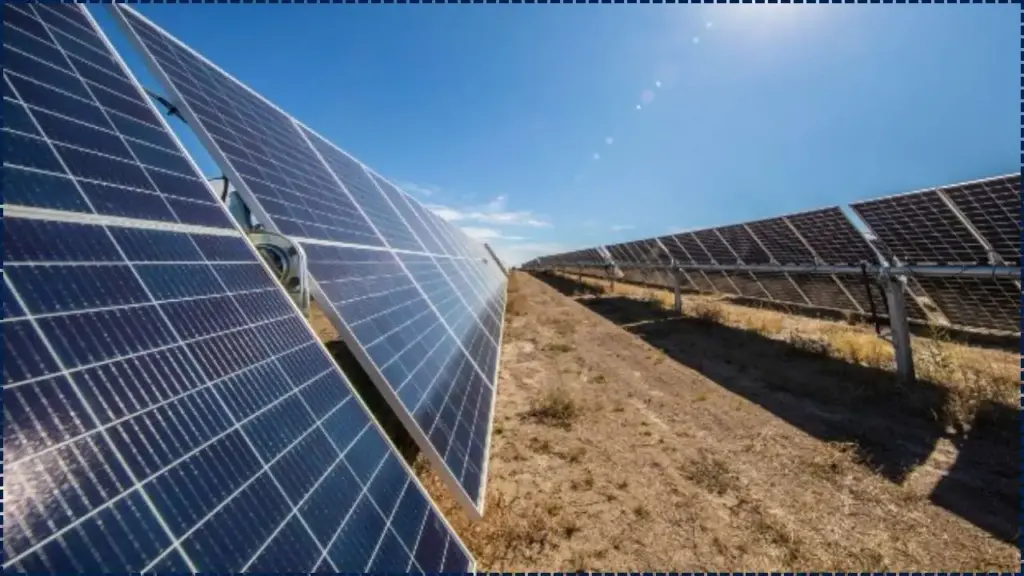
Why Bifacial Solar Panels Are a Must for Canadian Winters is changing that equation, allowing solar systems to harness reflected light from snow and improve cold-weather performance.
The Snow Advantage
| Key Fact | Detail/Statistic |
|---|---|
| Bifacial Gain | 5%–30% higher output than traditional panels |
| Snow Reflectivity | Snow significantly increases ground albedo |
| Cold Efficiency | Solar panels perform better in cold weather |
| Winter Performance | Bifacial systems outperform monofacial in snow |
The Snow Advantage represents a fundamental shift in how solar energy is deployed in cold climates. By leveraging snow and low temperatures, bifacial solar panels are redefining winter energy production.
As technology advances and adoption grows, this approach may play a critical role in expanding renewable energy across Canada and other northern regions.
What Is The Snow Advantage?
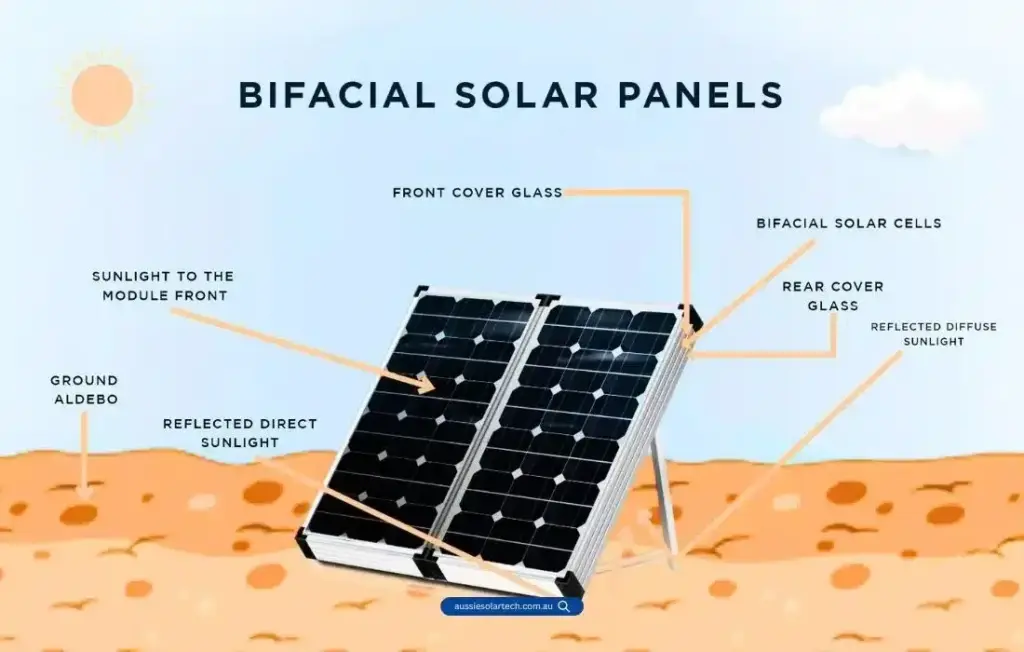
The concept of The Snow Advantage refers to the improved performance of bifacial solar panels in snowy environments. Unlike traditional panels that capture sunlight only from the front, bifacial panels generate electricity from both sides.
This allows them to utilize:
- Direct sunlight.
- Reflected sunlight from snow-covered ground.
Snow acts as a natural reflector, increasing the amount of light available to the system. Researchers describe this as a significant shift in how winter solar performance is understood. Dr. Rachel Nguyen, a renewable energy researcher, said:
“In snowy environments, bifacial panels can convert what was once a limitation into a measurable performance gain.”
How Bifacial Solar Panels Work
Bifacial panels use photovoltaic cells on both surfaces, enabling dual-sided energy capture.
Key Components
- Transparent or dual-glass backing
- Rear-side light absorption capability
- Elevated mounting structures
This design allows panels to capture reflected light that would otherwise be lost in traditional systems.
Why Canada’s Climate Creates Ideal Conditions
High Albedo From Snow
Snow reflects a large percentage of incoming sunlight, significantly increasing available radiation for energy generation.
Low Sun Angles
During winter, the sun’s low position increases ground reflection, enhancing rear-side capture.
Cold Weather Efficiency
Solar panels operate more efficiently in cold temperatures, improving output compared to hotter climates.
Real-World Case Studies
Alberta Solar Installations
Pilot projects in Alberta have demonstrated improved winter output using bifacial panels, particularly in open, snow-covered fields.
Northern Community Microgrids
Remote communities in northern Canada are increasingly exploring bifacial solar to reduce reliance on diesel generation. Energy consultant James Holloway noted:
“In off-grid regions, even small efficiency gains can significantly reduce fuel costs and emissions.”
Performance Comparison: Bifacial vs Traditional Panels
Winter Output Differences
| Panel Type | Winter Performance |
|---|---|
| Monofacial | Reduced output due to snow blockage |
| Bifacial | Enhanced output due to reflection |
Studies suggest bifacial systems can deliver substantially higher winter energy yields under optimal conditions.
Design Optimization for Snowy Conditions
Elevated Mounting
Improves exposure to reflected light and reduces snow interference.
Steep Tilt Angles
Encourages snow shedding and improves winter light capture.
Ground Surface Management
Maintaining reflective surfaces enhances system efficiency.
Row Spacing
Prevents shading and ensures consistent rear-side exposure.
Economic Analysis: Costs and Returns
Installation Costs
Bifacial systems typically cost more due to:
- Advanced materials.
- Structural requirements.
- Installation complexity.
Long-Term Benefits
- Higher energy yield.
- Improved winter output.
- Better lifecycle performance.
ROI Considerations
Financial returns depend on:
- Location
- Snow coverage duration
- System design
- Electricity prices.
Environmental Impact
Reduced Carbon Emissions
Increased solar output reduces reliance on fossil fuels, particularly during winter peak demand.
Land Use Efficiency
Higher energy output per installation improves land-use efficiency.
Cleaner Remote Energy
Bifacial solar can reduce diesel consumption in isolated communities.
Policy and Government Support
Canadian energy policies increasingly support renewable energy adoption. Incentives for solar installations and grid modernization are helping accelerate deployment.Government agencies are also funding research into cold-climate solar technologies.
Industry Adoption Trends
Growing Market Interest
Solar developers are increasingly adopting bifacial technology for large-scale projects.
Utility-Scale Expansion
Utility companies are exploring bifacial panels for improved efficiency in northern regions.
Innovation in Panel Design
Manufacturers are developing panels specifically optimized for cold and snowy environments.
Challenges and Limitations
Despite advantages, several challenges remain:
- Higher upfront costs.
- Sensitivity to shading.
- Need for precise system design.
- Seasonal daylight limitations.
Experts emphasize that performance gains vary depending on conditions.
Related Links
Ditching Diesel: How Canada’s New Programs are Funding Off-Grid Solar for Remote Areas
Octopus Flux 2026 Review: Is This Still the Top Smart Tariff for UK Battery Owners?
Future Outlook: The Next Phase of Solar Innovation
Integration With Energy Storage
Combining bifacial panels with battery systems can enhance reliability.
Smart Grid Integration
Advanced grid systems can optimize energy use and distribution.
Technological Advancements
Ongoing research is improving panel efficiency and durability. Dr. Michael Carter said:
“Cold-climate solar is entering a new phase where innovation is driven by environmental adaptation.”
FAQs
What is The Snow Advantage?
It refers to improved solar performance from reflected light in snowy conditions.
Are bifacial panels suitable for all climates?
They work best in reflective environments like snow-covered or light-colored surfaces.
Do they eliminate winter energy loss?
No, but they significantly reduce it compared to traditional panels.
Are they worth the investment in Canada?
In many cases, yes—especially in regions with consistent snow cover.