
Australia is expanding access to renewable energy through 0% interest solar loans, allowing homeowners to install rooftop systems without significant upfront costs. Backed by government-supported financial institutions, these programs aim to reduce household energy bills while accelerating clean energy adoption.
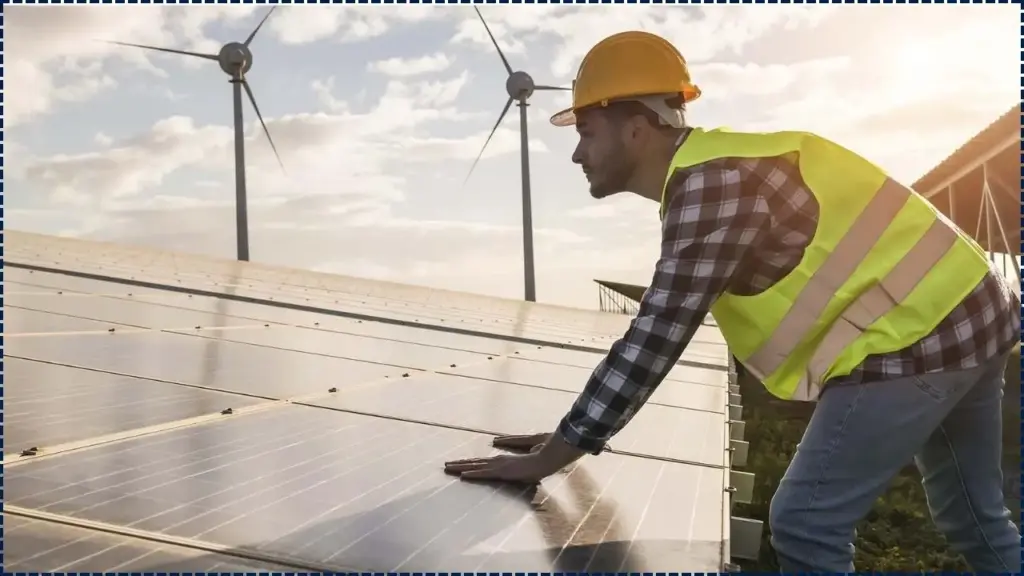
As electricity prices remain elevated, these financing schemes are emerging as a key tool for both affordability and sustainability.
0% Interest Solar Loans
| Key Element | Detail | Impact |
|---|---|---|
| Loan Type | 0% interest solar loans | No borrowing cost |
| Coverage | Panels, batteries, upgrades | Reduced upfront expense |
| Loan Size | ~$10,000–$15,000 | Accessible financing |
| Payback Period | 3–6 years | Faster return on investment |
The rise of 0% interest solar loans represents a major shift in how Australians can access renewable energy. By eliminating upfront cost barriers and combining financing with rebates, these programs make solar adoption more accessible than ever.
As incentives evolve and energy costs remain high, timely participation will be essential for maximizing both financial and environmental benefits.
0% Interest Solar Loans — How 0% Interest Solar Loans Work
The 0% interest solar loans allow homeowners to spread the cost of solar installations over time without paying interest. Instead of paying upfront:
- Governments subsidize the interest portion.
- Borrowers repay only the principal.
- Payments are structured monthly over several years.
This significantly lowers the financial barrier to adopting solar energy.
0% Interest Solar Loans Application Process
Understanding the process helps homeowners act quickly and avoid delays.
- Check Eligibility: Applicants must meet income, property ownership, and location criteria.
- Choose an Approved Installer: Only certified installers and systems qualify under most schemes.
- Apply for Rebate First: Federal and state rebates reduce the upfront cost.
- Apply for the Loan: Through a participating lender or government portal.
- Approval and Installation: Loan approval typically takes 1–3 weeks, followed by installation.
Approval Timeline and Funding Cycles
Loan approvals depend on:
- Credit checks.
- Documentation completeness.
- Program funding availability.
Programs often operate on limited funding cycles, meaning delays can result in missing out.
Combining Loans With Rebates — Financial Optimization
Australia’s solar system relies on layered incentives:
Federal Incentives
Renewable energy certificates reduce system cost upfront.
State Programs
Additional rebates or subsidies depending on region.
Loan Financing
Covers remaining cost at zero interest.
Example:
- System cost: $7,000
- Rebates: $2,500
- Loan: $4,500
This structure minimizes upfront investment.
Real-World Savings and Payback Analysis
Typical Outcomes:
- Electricity bill reduction: 30–70%
- Monthly savings: $80–$200
- Payback period: 3–6 years
In many cases, monthly savings offset loan repayments, reducing net financial impact.
Battery Storage — Is It Worth Financing?
Battery systems increase energy independence but add cost.
Benefits:
- Store excess solar energy.
- Reduce reliance on grid.
- Backup during outages.
Challenges:
- Higher upfront cost.
- Longer payback period.
Experts suggest batteries are most beneficial for high-consumption households.
Export Tariffs and Grid Economics
Homeowners can export excess electricity to the grid.
Key Factors:
- Feed-in tariff rates.
- State-specific policies.
- Time-of-use pricing.
Export income can improve overall system economics, though rates have declined in recent years.
Regional Differences Across Australia
Solar loan programs vary significantly:
Victoria
Interest-free loans tied to rebates
New South Wales
Rebate-focused programs with limited financing
ACT
Large loan limits and strong incentives
Tasmania
Extended loan options for energy upgrades
Understanding local policies is critical for maximizing benefits.
Credit Impact and Financial Considerations
Although interest-free, these loans still involve:
- Credit assessments.
- Impact on borrowing capacity.
- Monthly repayment obligations.
Financial advisors recommend evaluating affordability before applying.
Installer Ecosystem and Market Trends
Demand for solar installations has increased:
- More certified installers entering market.
- Competitive pricing.
- Faster installation timelines.
However, increased demand can lead to delays during peak periods.
Risks and Consumer Protection
Potential Risks
- Low-quality installers.
- Misleading savings claims.
- Hidden fees in bundled services.
Protection Measures
- Use government-approved installers.
- Verify warranties and certifications.
- Review loan terms carefully.
Consumer agencies emphasize due diligence.
Environmental and Economic Impact
Solar adoption contributes to:
- Reduced carbon emissions.
- Lower energy demand on grid.
- Increased household resilience.
Governments view these programs as critical to achieving climate targets.
International Perspective
Australia’s approach differs from other countries:
- US: Tax credits dominate.
- Europe: Low-interest green loans.
- Australia: Direct interest-free financing.
This model removes borrowing cost entirely, increasing accessibility.
Decision Checklist for Homeowners
Before applying, consider:
- Current electricity usage.
- Roof suitability.
- Loan repayment capacity.
- Available rebates in your state.
- Installer reputation.
This ensures informed decision-making.
Related Links
Start Getting Paid for Solar: How to Set Up Your SEG Account in 2026
Beat the 20% Hike: Why Rising Grid Costs are Making Solar More Valuable in 2026
Future Outlook
Solar financing is expected to expand further with:
- Increased battery incentives.
- Integration with smart grid systems.
- Greater private sector participation.
However, declining rebates mean early adoption remains financially advantageous.
FAQs
Are these loans truly interest-free?
Yes, governments cover the interest component.
Can I combine multiple incentives?
Yes, most programs allow stacking rebates and loans.
What happens if I sell my house?
Loan terms may transfer or require settlement.
Is solar still worth it without rebates?
Yes, but payback periods may increase.