
Canada’s flagship home retrofit platform under the Canada Greener Homes Initiative is no longer accepting new applicants for solar incentives in 2026.
The Federal Solar Portal Still Open—whether the federal solar portal is still open—has become a common question as homeowners navigate the program’s phased closure and evolving clean energy policies.
Federal Solar Portal Still Open
| Key Fact | Detail |
|---|---|
| Portal Status | Closed to new applicants |
| Grant Closure | Early 2024 |
| Loan Closure | October 2025 |
| Final Deadline | December 31, 2025 |
| Current Access | Existing applicants only |
The closure of the federal solar portal marks the end of a major chapter in Canada’s clean energy transition. While the Canada Greener Homes Initiative successfully expanded solar adoption, its conclusion shifts responsibility toward provincial programs and future federal strategies.
The Federal Solar Portal Still Open reflects a transitional phase where homeowners must navigate a more complex incentive landscape.
Federal Solar Portal Still Open Explained: Is the Federal Solar Portal Open in 2026?
The answer to the Federal Solar Portal Still Open is definitive:
The federal solar portal is closed to new applicants in 2026.
The program, administered by Natural Resources Canada, stopped accepting new applications for the Canada Greener Homes Grant in 2024 due to overwhelming demand. The loan component, managed with federal housing partners, closed in October 2025.
As of 2026, the portal is still accessible—but only for homeowners who applied before the deadlines.
How the Solar Portal Worked
Before closure, the program followed a structured process:
- Homeowner registration through the portal
- Pre-retrofit energy audit
- Approval of eligible upgrades
- Installation of systems (e.g., solar panels)
- Post-retrofit audit
- Submission of documents for reimbursement
This multi-step approach ensured accountability but also contributed to delays and administrative complexity.
Why the Portal Closed: Demand, Budget, and Policy Shifts
1. Funding Exhaustion
The federal government allocated billions toward home retrofits. Due to high participation, funds were fully committed earlier than expected.
2. Surge in Solar Adoption
Rising electricity costs and climate awareness drove demand for solar installations. The program became one of the most popular clean energy initiatives in Canada.
3. Policy Transition Toward Targeted Programs
The federal strategy is now shifting toward:
- Income-based affordability programs.
- Electrification initiatives (e.g., heat pumps).
- Long-term financing instead of upfront grants.
Scale and Impact of the Program
Government data shows:
- Over 400,000 households participated.
- Around $1.8 billion distributed.
This scale underscores the program’s success but also explains its early closure.
Real Homeowner Scenarios: What Happens Now?
Case 1: Applied Before Deadline
A homeowner who applied in 2024 can still:
- Complete installation.
- Submit final documentation.
- Receive reimbursement.
Case 2: Missed the Deadline
A homeowner planning to install solar in 2026:
- Cannot access federal grants.
- Must rely on provincial incentives or private financing.
Case 3: Mid-Process Applicant
Those in progress must meet final deadlines and compliance requirements to secure funding.
Solar Economics After the Portal Closure
Without federal grants:
- Upfront costs increase.
- Payback periods extend.
- Return on investment depends more on local electricity rates.
However, solar remains financially viable in many regions due to long-term energy savings.
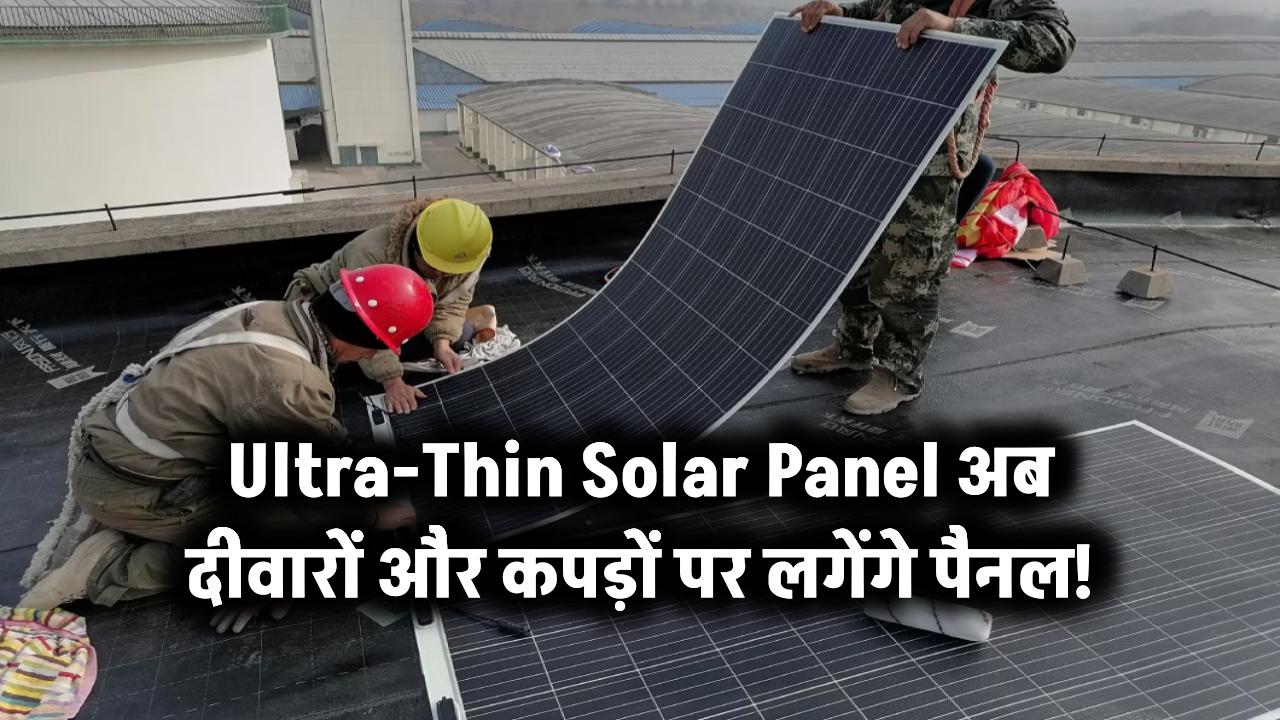
Ultra-Thin Solar Panel: सोलर एनर्जी में आई बड़ी क्रांति – अब दीवारों और कपड़ों पर भी लग सकेंगे पैनल!
Impact on Contractors and the Solar Industry
The closure has affected the solar installation ecosystem:
Short-Term Effects
- Decline in grant-driven demand.
- Increased competition among installers.
Long-Term Outlook
Industry experts suggest demand will remain steady due to:
- Rising energy costs.
- Net-zero targets.
- Technological improvements.
Regional Incentives: A Patchwork Landscape
Support for solar energy now varies by province.
Examples of Available Support
- Utility rebates.
- Provincial grant programs.
- Net metering policies.
This decentralised system requires homeowners to research local options carefully.
Comparison with Previous Federal Programs
Canada has historically used time-limited incentives to promote clean energy adoption. Compared to earlier programs, the Greener Homes Initiative:
- Reached more households.
- Provided larger financial support.
- Integrated audits and accountability.
However, like past programs, it ended once funding limits were reached.
Policy Implications: What the Closure Signals
Experts interpret the closure as a shift in federal priorities:
- From broad subsidies to targeted support.
- From grants to financing mechanisms.
- From adoption to optimisation of energy systems.
This reflects a maturing clean energy market.
Expert Perspectives: Balanced Views
A clean energy policy analyst stated: “The closure of the portal does not indicate reduced commitment. It reflects a transition to more targeted and sustainable policy tools.”
Industry representatives, however, stress the need for continued incentives to maintain momentum in residential solar adoption.
What Homeowners Should Do in 2026
For New Solar Buyers
- Explore provincial and utility incentives.
- Compare financing options.
- Evaluate long-term savings.
For Existing Applicants
- Complete audits and installations.
- Submit documentation before deadlines.
- Track progress through the portal.
Related Links
Beat the Taper: Why 14kWh is the New “Magic Number” for Australia’s Battery Subsidy
0% Interest Solar Loans: How to Finance Your Panels Through the New Government-Backed Bank Scheme.
Future Outlook: Will a New Portal Replace It?
There is no official announcement of a new federal solar portal. However, Canada’s commitment to net-zero emissions by 2050 suggests continued investment in clean energy programs.
Future initiatives may focus on:
- Targeted subsidies.
- Integrated energy systems.
- Grid resilience.
FAQs
Is the federal solar portal open in 2026?
No, it is closed to new applicants.
Can existing users still access it?
Yes, for completing and tracking applications.
Are federal solar grants still available?
No, but provincial programs may provide support.
Will a new program replace it?
Possibly, but no official announcement has been made.