
Australia’s rooftop solar sector is entering a decisive phase as the Australia’s Main Solar Rebate takes effect in 2026, reducing the country’s primary solar rebate.
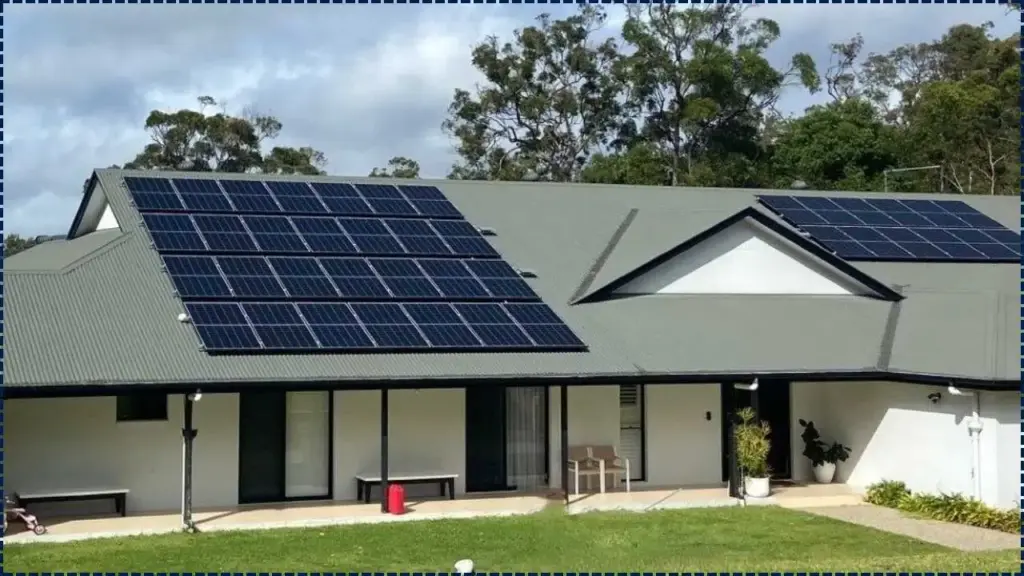
The decline, built into the Small-scale Technology Certificate (STC) system, reflects a gradual withdrawal of government support as solar becomes more affordable, while raising new questions about affordability, equity, and the future of renewable energy policy.
Australia’s Main Solar Rebate
| Key Fact | Detail |
|---|---|
| Scheme | Small-scale Renewable Energy Scheme (SRES) |
| End Date | 2030 |
| 2026 Change | Deeming period drops from 6 to 5 years |
| Cost Impact | ~$500–$750 increase for typical systems |
| Historic Coverage | 20–30% of system cost |
The Australia’s Main Solar Rebate marks a critical transition in Australia’s renewable energy policy. As subsidies decline, the solar market is moving toward long-term sustainability. While the change increases upfront costs, it also signals a mature industry capable of growth without heavy government support.
Australia’s Main Solar Rebate: A Planned Decline, Not a Sudden Cut
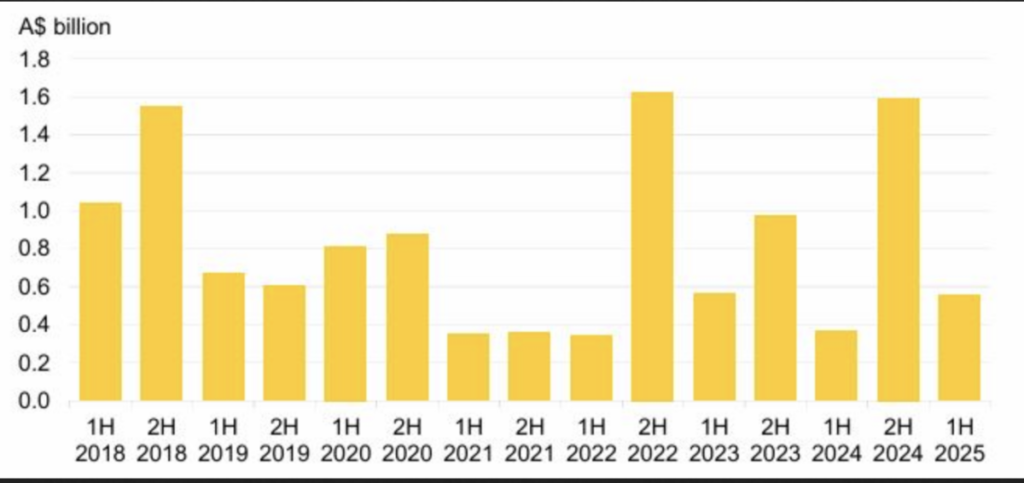
The Australia’s Main Solar Rebate describes the steady reduction of Australia’s solar rebate under the Small-scale Renewable Energy Scheme (SRES). The program issues Small-scale Technology Certificates (STCs), which installers convert into upfront discounts on solar installations.
Historically, these incentives reduced system costs by 20% to 30%, making rooftop solar widely accessible. However, the scheme was designed with a fixed end date. As 2030 approaches, the number of certificates available per installation declines each year, reducing the rebate.
How the STC Mechanism Works
Certificate Allocation
STCs are calculated based on:
- System size.
- Location (solar radiation levels).
- Remaining years in the scheme.
Each certificate represents expected energy production and carries a market value.
Market Pricing Dynamics
Unlike fixed subsidies, STC values fluctuate. Prices typically range between AUD $35 and $40, depending on supply and demand in the certificate market. This introduces variability into the final rebate value, even within the same year.
Why the Rebate Is Declining
The Deeming Period Effect
The “deeming period” is the core driver of the reduction.
- 2025: 6 years
- 2026: 5 years
- 2027: 4 years
Each year, fewer certificates are issued per system, lowering the rebate.
Policy Intent: Transition to Market Maturity
Government policymakers designed the scheme to taper off as solar technology became cost-competitive. A federal energy briefing noted that subsidies were intended to “accelerate early adoption before transitioning to a self-sustaining market.”
The 16% Decline: Interpreting the Figure
The commonly cited 16% annual decline is not a fixed rule but an approximate reflection of:
- Reduced certificate volumes.
- Stable or fluctuating STC prices.
What Actually Changes
- The quantity of STCs decreases.
- The price per STC remains market-driven.
As a result, the actual financial impact varies year to year.
2026 Impact: What Homeowners Will Pay
The 2026 adjustment marks a noticeable step-down in support.
Estimated Cost Increases
- 6.6 kW system: ~$500 more
- 10 kW system: ~$750 more
These increases reflect reduced rebates rather than higher installation costs.
Real-World Scenario: A Household Example
Before 2026
- System cost: $6,000
- STC rebate: $1,800
- Final cost: $4,200
After 2026
- Same system cost: $6,000
- STC rebate: $1,300
- Final cost: $4,700
This simplified example illustrates how declining STCs shift more cost to consumers.
Installer Economics: Pressure on the Solar Industry
Margin Compression
Installers may face pressure as customers become more price-sensitive. Some companies may absorb part of the rebate loss to remain competitive.
Market Consolidation
Industry analysts predict potential consolidation, with smaller installers struggling to compete in a lower-subsidy environment.
Grid Implications: Beyond Rooftop Solar
Increased Distributed Generation
Australia already has one of the highest rooftop solar penetration rates globally. Continued growth raises challenges for grid stability.
Midday Oversupply
High solar generation during daylight hours can lead to oversupply, requiring grid operators to manage voltage and demand fluctuations. Energy regulators are increasingly focusing on:
- Smart inverters
- Demand response systems
- Battery integration
The Shift Toward Batteries
As solar rebates decline, policy attention is shifting toward energy storage.

Emerging Trend
- Solar + battery systems becoming more attractive.
- Government incentives increasingly targeting batteries.
Experts suggest the next phase of Australia’s energy transition will center on storage rather than generation.
Regional Inequality: Who Is Most Affected?
Higher Impact on Low-Income Households
Reduced rebates may disproportionately affect households with limited upfront capital. Consumer advocates warn that without targeted support, solar adoption could slow among vulnerable groups.
Geographic Differences
Solar zones create uneven impacts:
- Northern Australia: Higher rebates.
- Southern regions: Lower rebates.
This variation adds complexity to national policy outcomes.
Political and Policy Debate
Government Position
Officials argue the phase-out reflects success, not failure, of the program.
Criticism
Opposition voices and advocacy groups raise concerns about:
- Equity
- Affordability
- Timing of subsidy withdrawal
The debate highlights broader tensions in energy policy between fiscal responsibility and social inclusion.
Global Context: A Common Policy Evolution
Australia’s approach mirrors international trends:
- Subsidies decline as technology matures.
- Markets transition to self-sustaining models.
Countries across Europe and North America have implemented similar phase-down strategies.
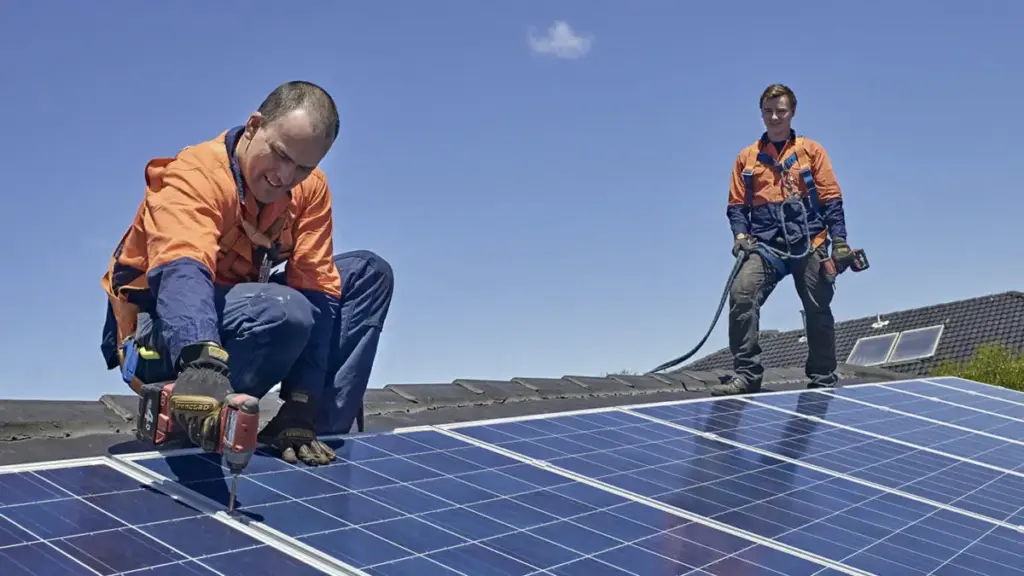
What Homeowners Should Do Now
Consider Timing
Installing sooner can secure higher rebates before further reductions.
Evaluate Long-Term Savings
Even with lower incentives, solar remains financially viable due to rising electricity prices.
Seek Professional Advice
Consumers are advised to consult certified installers and energy advisors.
Related Links
0% Interest Solar Loans: How to Finance Your Panels Through the New Government-Backed Bank Scheme.
The May 1st Deadline: Why Waiting 30 Days Could Cost Australian Homeowners $1,500
Policy Outlook Beyond 2030
The STC scheme will end in 2030, but Australia’s renewable strategy will continue evolving.
Likely Future Focus
- Battery storage incentives.
- Grid modernization.
- Electrification of homes.
The transition suggests a shift from subsidizing adoption to optimizing energy systems.
FAQs
What is causing the STC drop?
The reduction is driven by a shrinking deeming period as the scheme approaches its 2030 end date.
Is the 16% decline fixed?
No, it is an approximate figure. Actual reductions vary based on multiple factors.
Will solar still be affordable?
Yes, though upfront costs will rise slightly.
What happens after 2030?
The STC scheme ends, with future policies likely focusing on batteries and grid improvements.