
The future of free solar grants after the March 31 deadline is entering a period of transition as the United Kingdom phases down its Energy Company Obligation (ECO4) scheme.
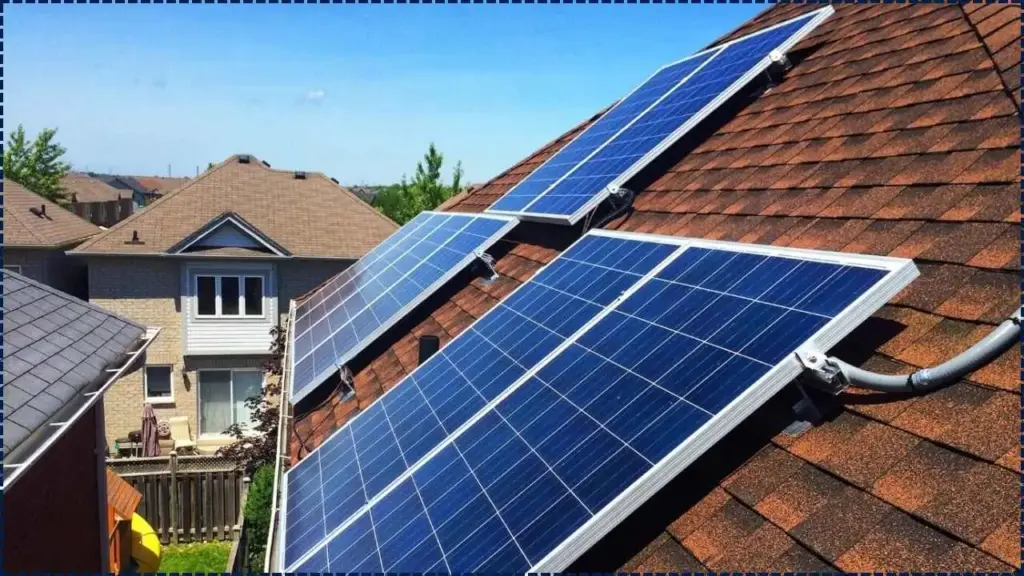
Although officially extended through late 2026, industry experts and policymakers say access is tightening, signaling a shift toward more targeted and less widely available support.
The Post-ECO4 Era
| Key Fact | Detail |
|---|---|
| ECO4 extension | Runs until December 31, 2026 |
| March 31 milestone | Marks slowdown in new approvals |
| Replacement program | Warm Homes Plan |
| Funding model shift | From supplier obligation to public funding |
| Solar support outlook | More limited, often partial funding |
The post-ECO4 era represents a significant transition in the UK’s approach to energy efficiency and renewable adoption. While support for solar installations will continue, it is likely to become more targeted, localized, and limited in scope.
For households, the shift underscores the importance of acting quickly and adapting to a more complex funding landscape.
Understanding the The Post-ECO4 Era: A Structural Policy Shift
The The Post-ECO4 Era, referring to the post-ECO4 transition, marks a turning point in how the UK delivers energy efficiency upgrades, including solar installations.
The Energy Company Obligation (ECO4) has been a central policy tool in addressing fuel poverty and reducing emissions. It requires large energy suppliers to fund home improvements for eligible households.
According to the UK Department for Energy Security and Net Zero, the scheme has prioritized homes with the lowest energy efficiency ratings, often delivering upgrades at no cost to residents.
However, the transition away from ECO4 reflects a broader policy recalibration. The government is moving toward direct public investment and localized delivery models, which are expected to reshape access to solar support.
Why the March 31 Deadline Still Matters
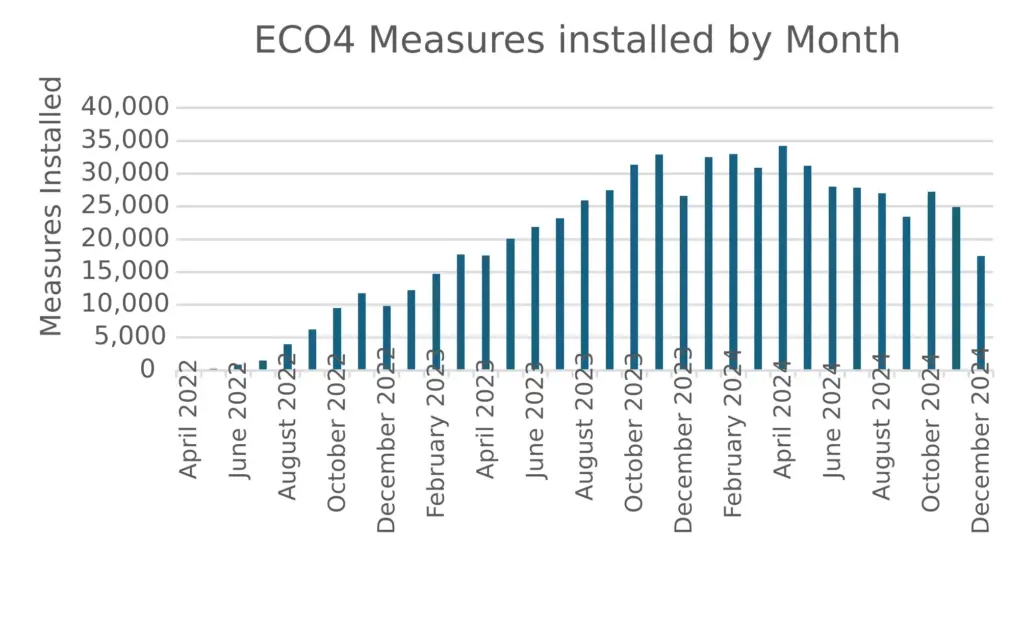
While ECO4 continues through December 2026, the March 31 deadline represents a practical inflection point.
Energy suppliers are approaching their mandated targets, reducing incentives to take on new projects. Installers are increasingly focused on completing existing commitments rather than onboarding new applicants.
A senior energy policy analyst noted that “the pipeline is narrowing. Technically the scheme remains open, but in reality, new approvals are becoming harder to secure.” This creates a “soft closure” effect, where availability declines before the official end date.
How ECO4 Delivered Free Solar Grants
Supplier Obligation Model
ECO4’s structure is based on regulatory requirements imposed on major energy suppliers. These companies must fund improvements such as:
- Solar photovoltaic (PV) installations.
- Insulation upgrades.
- Heating system replacements.
The cost is effectively redistributed across the energy market, allowing eligible households to receive installations without direct payment.
Measurable Outcomes
Government data indicates that ECO4 has:
- Reduced household energy bills by hundreds of pounds annually.
- Improved energy performance ratings.
- Accelerated the adoption of renewable energy technologies.
Energy economists credit the scheme with addressing both climate goals and social equity concerns.
What Replaces ECO4: The Warm Homes Plan
The government’s Warm Homes Plan is set to replace ECO4 as the primary mechanism for energy efficiency support.
Core Features
The plan includes:
- Approximately £15 billion in funding.
- Delivery through local councils and regional authorities.
- A focus on low-income and vulnerable households.
Unlike ECO4, which mandates supplier participation, the new plan relies on public funding and decentralized implementation.
Solar in the New Framework
Solar installations are expected to remain eligible under the Warm Homes Plan. However, experts anticipate:
- Reduced availability of fully funded installations.
- Increased reliance on co-funding or grants covering partial costs.
- Greater regional variation in eligibility and access.
This marks a departure from the standardized, nationwide approach of ECO4.
Regional Inequality: A Growing Concern
One of the most significant additions in the post-ECO4 discussion is the risk of regional disparity. Under ECO4, supplier obligations ensured relatively uniform access across the country. The Warm Homes Plan introduces localized decision-making, which may lead to uneven distribution of resources.
Energy policy researchers warn that:
- Wealthier or better-administered councils may deliver more effective programs.
- Rural or underfunded regions could face reduced access.
This “postcode lottery” effect has been a recurring concern in UK public policy.
Economic Impact on the Solar Industry
The transition is also expected to affect the solar installation sector.
Market Uncertainty
Under ECO4, installers benefited from a predictable pipeline of government-backed projects. The shift to localized funding introduces uncertainty. Industry representatives report:
- Potential slowdown in demand for fully funded installations.
- Increased competition for smaller, localized contracts.
- Greater reliance on private-pay customers.
Adaptation Strategies
Some companies are already adapting by:
- Expanding financing options for homeowners.
- Offering hybrid packages combining grants and private funding.
- Targeting commercial and new-build markets.
Consumer Perspective: What Homeowners Should Do
Immediate Actions
Households considering solar installation should:
- Check eligibility for ECO4 as soon as possible.
- Engage with accredited installers.
- Monitor application timelines closely.
Preparing for the Future
In the post-ECO4 environment, homeowners may need to:
- Budget for partial contributions.
- Explore financing or loan options.
- Stay informed about local authority programs.
Energy advisors emphasize the importance of early planning, as funding windows may become more competitive.
International Context: How the UK Compares
The UK’s transition away from supplier obligations contrasts with policies in other countries.
For example:
- Germany continues to provide structured solar subsidies through national programs.
- The United States offers federal tax credits under the Inflation Reduction Act.
- France combines grants with low-interest loans.
These comparisons highlight differing approaches to balancing public funding, private investment, and climate goals.
Climate Targets and Policy Risks
The UK has committed to achieving net-zero emissions by 2050. Residential energy use is a significant component of this target. Analysts warn that:
- Reduced access to solar funding could slow adoption rates.
- Localized programs may lack the scale of national schemes.
- Policy consistency will be critical to maintaining progress.
A researcher at a leading UK think tank stated that “continuity is essential. Any disruption in funding mechanisms risks delaying emissions reductions.”
Related Links
Is Your Installer Ready? How to Ensure Your Battery is Commissioned Before the Federal Cut-off
Warm Homes Local Grant: Can You Get Your Solar Panels 100% Funded via Your Local Council?
Balancing Fiscal Responsibility and Social Equity
Government officials argue that the Warm Homes Plan allows for more efficient allocation of resources. A spokesperson for the Department for Energy Security and Net Zero said the program will “target support where it delivers the greatest benefit.”
However, critics question whether reduced scale could undermine efforts to address fuel poverty.
FAQs
Will free solar grants still exist after March 31?
Yes, but access will decline as ECO4 winds down and suppliers meet their targets.
Is March 31 the official end of ECO4?
No, the scheme continues until December 31, 2026, but availability is already tightening.
What replaces ECO4?
The Warm Homes Plan, which uses public funding and local delivery mechanisms.
Will solar panels still be free?
Fully funded installations will become less common, with more partial funding expected.
How can homeowners apply for future support?
Applications will primarily be handled through local councils and regional programs.