The future of Nova Scotia Solar Update in Nova Scotia is shifting as traditional solar rebates phase out and 1:1 net metering takes center stage.
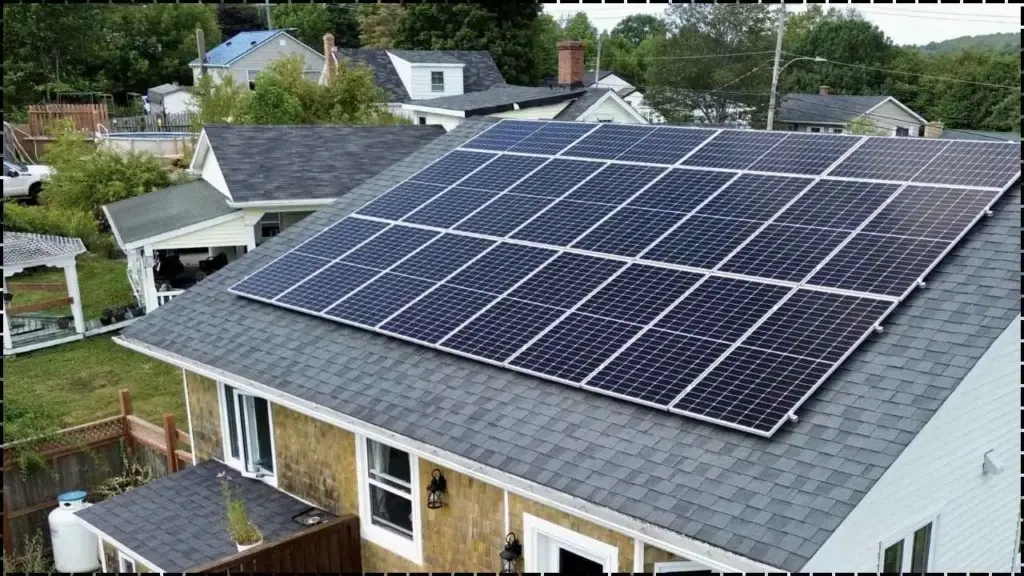
With major grant programs now closed to new applicants, policymakers and industry experts say long-term electricity bill credits are replacing upfront subsidies as the main driver of solar adoption across the province.
Nova Scotia Solar Update
| Key Fact | Detail |
|---|---|
| SolarHomes program | Closed to new applicants (2025) |
| Net metering | 1:1 credit for exported electricity |
| Electricity costs | Among highest in Canada |
| Payback period | ~10–12 years |
| Policy direction | Shift toward long-term incentives |
As Nova Scotia enters a post-rebate era, 1:1 net metering is emerging as the cornerstone of solar economics. While it shifts the financial model from immediate incentives to long-term savings, it continues to provide strong value in a high-cost electricity market. The success of this transition will depend on policy stability, grid investment, and equitable access.
Understanding the Nova Scotia Solar Update: A Fundamental Transition
The Nova Scotia Solar Update signals a structural shift in how Nova Scotia supports residential solar energy.
For over a decade, rebates such as SolarHomes and federal programs reduced upfront installation costs, making solar more accessible. These programs helped thousands of households adopt renewable energy while lowering emissions.
Now, as those incentives expire, the province is moving toward a system where financial benefits accrue gradually through electricity savings rather than immediate subsidies.
“This is a maturation of the market,” said an energy policy researcher at a Canadian university. “Governments are stepping back from direct incentives and relying more on stable regulatory frameworks like net metering.”
What Is 1:1 Net Metering?
Net metering allows homeowners to export excess electricity generated by solar panels to the grid in exchange for credits.
How the System Works
- Solar panels generate electricity during daylight hours.
- Surplus energy flows into the grid.
- Utilities provide credits equal to the retail electricity rate.
In Nova Scotia, this 1:1 structure means homeowners receive full value for every unit of energy exported, making it one of the most favorable systems in Canada.
Why Net Metering Is Being Called the “New Grant”
With rebates disappearing, net metering is increasingly viewed as a functional replacement for traditional grants.
A Different Financial Model
Grants:
- Reduce upfront costs immediately.
- Lower barriers to entry.
Net metering:
- Provides long-term savings.
- Rewards consistent energy production.
Over a 25-year system lifespan, cumulative savings from net metering can exceed the value of past rebates, particularly in a high-cost electricity market.
The Economics of Solar Without Rebates
Upfront Costs
A typical residential system in Nova Scotia costs between $20,000 and $30,000, depending on system size and installation complexity.
Long-Term Returns
- Annual savings: ~$1,200–$1,500.
- Payback period: 10–12 years.
- System lifespan: 25+ years.
After the payback period, homeowners effectively generate electricity at minimal cost.
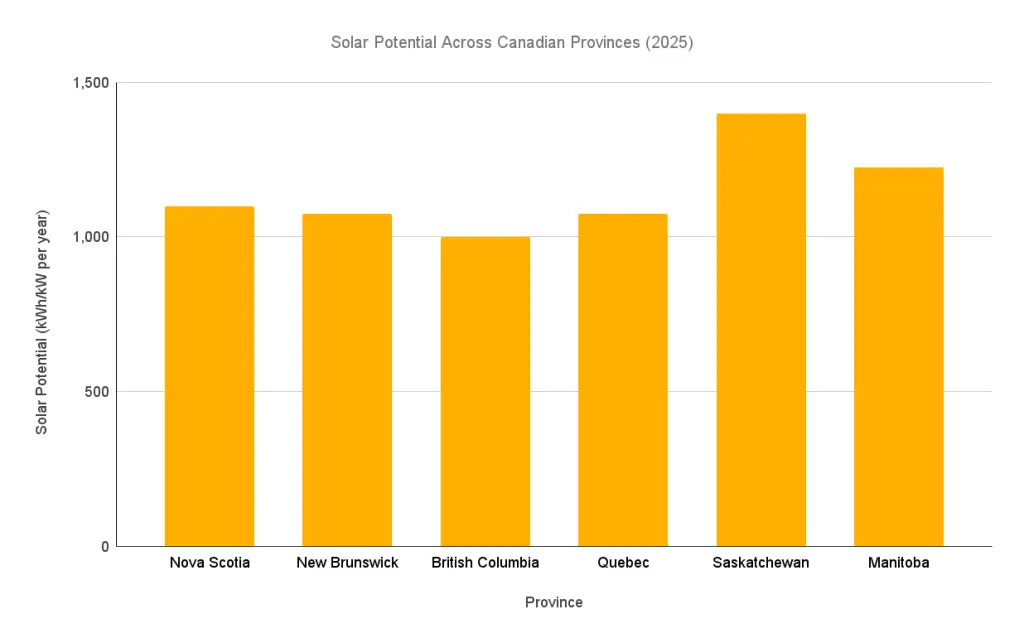
Seasonal Reality: Solar in a Maritime Climate
Nova Scotia’s climate introduces unique considerations for solar performance.
Seasonal Variability
- Summer: High production, excess energy exported.
- Winter: Lower generation, reliance on grid credits.
Net metering balances this seasonal mismatch by allowing credits earned in summer to offset winter consumption. Energy analysts note that this feature is critical in northern climates, where solar output fluctuates significantly.
Grid Capacity and Infrastructure Challenges
As solar adoption increases, questions about grid capacity are becoming more prominent.
PM Surya Ghar Yojna: 300 यूनिट फ्री बिजली और ₹78,000 की सब्सिडी! यूपी में मचा धमाल, अभी करें आवेदन
Growing Demand on the Grid
Distributed solar:
- Reduces centralized generation needs.
- Introduces variability in supply.
Utilities must invest in grid modernization to:
- Manage two-way energy flows.
- Maintain reliability.
A representative from a regional utility stated that “integrating distributed energy requires upgrades, but it also strengthens long-term resilience.”
Real-World Example: A Homeowner’s Experience
In suburban Halifax, a homeowner installed a 7 kW solar system in 2024 under the final phase of rebate programs.
Since then:
- Summer energy production has exceeded household needs.
- Net metering credits offset winter bills.
- Annual savings have approached $1,400.
The homeowner noted that “while the upfront cost was significant, the long-term savings and energy independence made it worthwhile.”
Policy Stability vs Policy Risk
Net metering offers greater stability than rebate programs, but risks remain.
Stability Factors
- Established regulatory framework.
- Long-standing program history.
Potential Risks
- Future changes to credit rates.
- Introduction of grid access fees.
- Regulatory adjustments by utilities.
Energy economists emphasize that policy certainty will be key to maintaining investor and consumer confidence.
Equity and Accessibility Challenges
The transition away from grants raises concerns about access.
Without upfront subsidies:
- Lower-income households may face barriers
- Adoption may become less inclusive
Policy experts suggest targeted programs or financing tools will be necessary to maintain equitable participation.
Alternative Pathways: Financing and Community Solar
Financing Options
- Zero-interest federal loans.
- Property-based financing programs.
Community Solar Expansion
Community solar projects allow:
- Renters and non-homeowners to participate.
- Shared access to renewable energy.
- Bill credits without installation.
This model is expected to play a growing role in expanding access.
Policy Timeline: How Nova Scotia Got Here
Key Milestones
- 2010: Net metering program introduced.
- 2018–2024: SolarHomes rebate drives adoption.
- 2025: Major rebates close to new applicants.
- 2026 onward: Net metering becomes primary incentive.
This timeline reflects a broader shift from direct subsidies to market-based mechanisms.
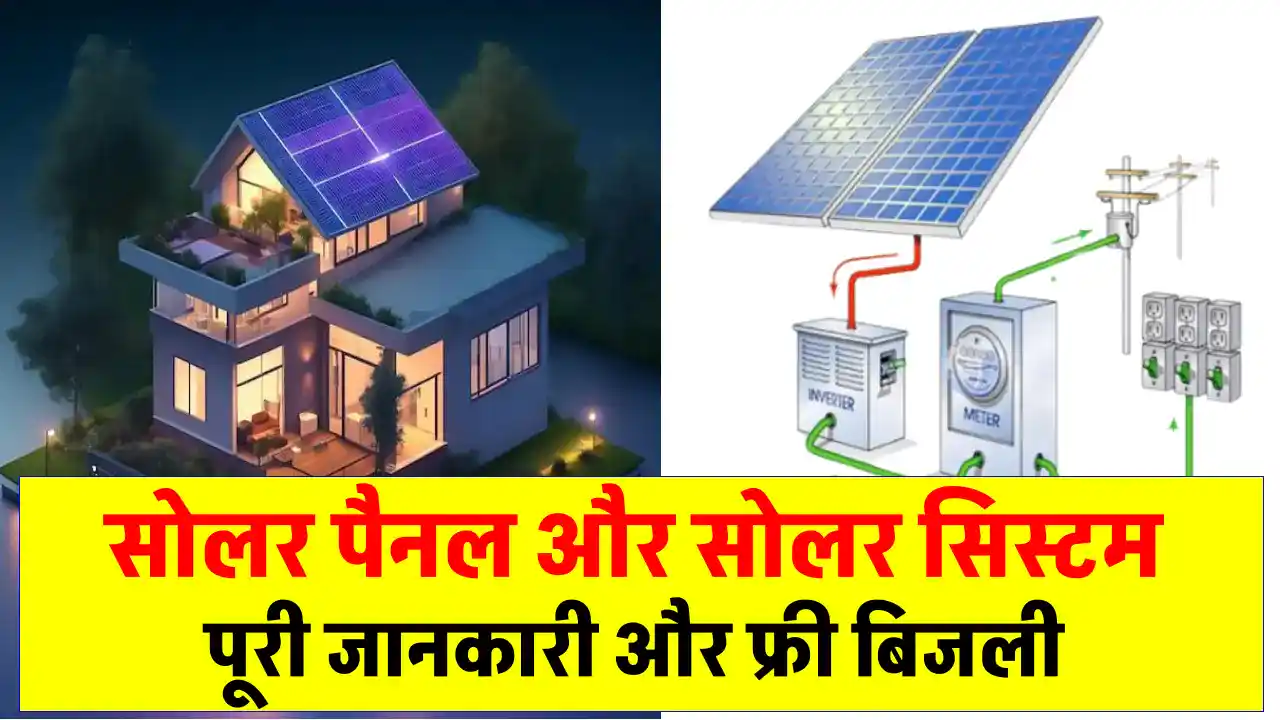
सिर्फ एक बार खर्च, सालों तक फ्री बिजली! जानिए क्या है सोलर पैनल और कैसे बचा सकते हैं हजारों का बिल!
Market and Investment Outlook
The solar market in Nova Scotia is entering a new phase.
Industry Trends
- Increased reliance on private investment.
- Growth in financing solutions.
- Expansion of commercial and community solar.
Analysts expect steady adoption, though at a potentially slower pace than during peak rebate years.
Climate Goals and Energy Strategy
Nova Scotia has committed to reducing emissions and expanding renewable energy capacity.
Solar energy plays a key role in:
- Decarbonizing electricity generation
- Reducing dependence on fossil fuels
- Supporting distributed energy systems
Maintaining strong incentives—whether through credits or policies—will be critical to achieving these goals.
Related Links
Balcony Solar for Renters: The 2026 Guide to Generating Your Own Power Without Owning a Roof
Suzlon Energy Near 52-Week Low: Is This Multibagger Now a ‘Buy’ After a Month of Consolidation?
Consumer Perspective: Is Solar Still Worth It?
Despite the loss of rebates, solar remains financially attractive for many homeowners.
Advantages
- Protection from rising electricity rates.
- Long-term savings through net metering.
- Increased energy independence.
Considerations
- Upfront investment requirements.
- Roof suitability.
- Policy stability.
Experts recommend careful system sizing to maximize benefits.
FAQs
Is 1:1 net metering permanent?
It is currently regulated but subject to future review.
Are solar rebates completely gone?
Most major programs have ended, though limited support remains.
What is the payback period?
Typically 10–12 years.
Can renters benefit?
Yes, through community solar programs.