As solar energy adoption expands into colder regions, the issue of Snow vs. Solar is becoming increasingly critical. In 2026, homeowners and businesses are navigating how to safely remove snow from solar panels without damaging equipment or voiding warranties, as new tools and technologies reshape winter maintenance practices.
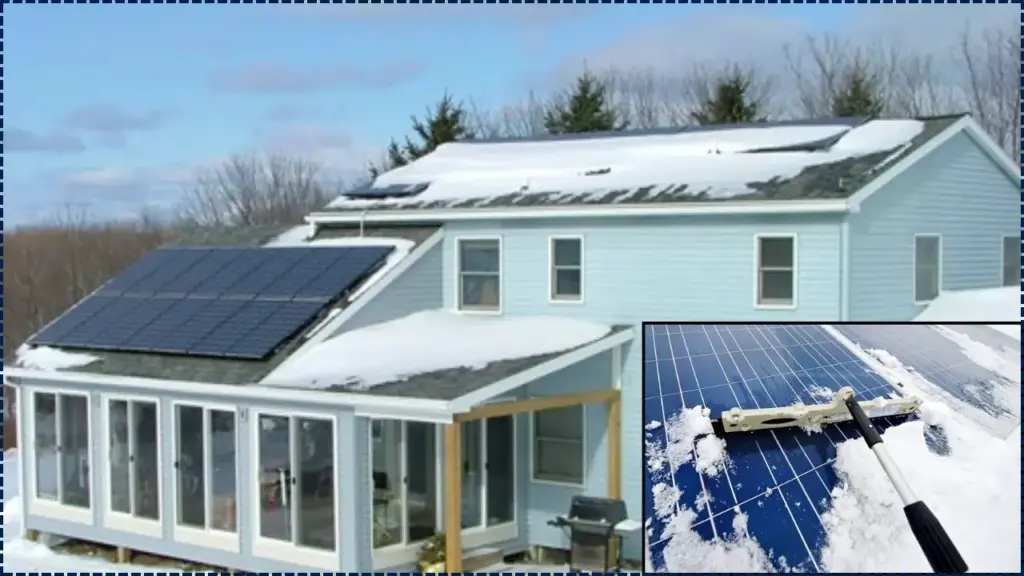
Top 2026 Tools to Clear Your Panels
| Key Fact | Detail |
|---|---|
| Output Loss | Snow can temporarily reduce solar output by 20–100% |
| Natural Shedding | Most panels self-clear due to tilt and heat |
| Warranty Risk | Abrasive tools can void manufacturer warranties |
| Best Tool | Foam-head telescopic rakes are safest |
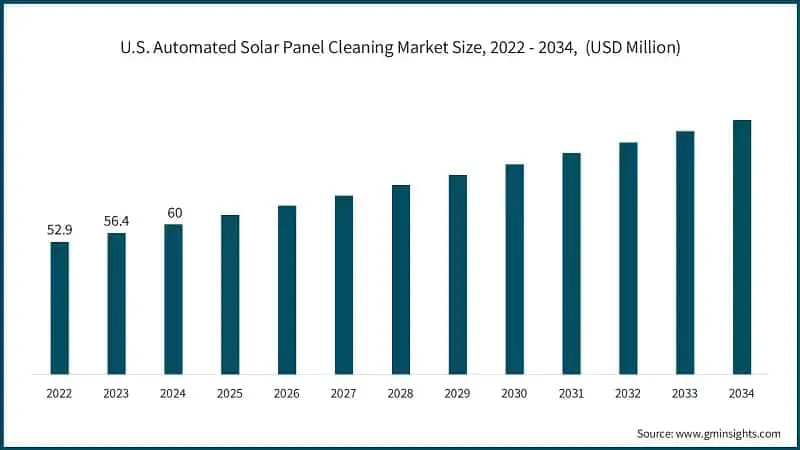
| Emerging Trend | Automated cleaning systems gaining traction |
The evolving Snow vs. Solar challenge highlights the balance between maintaining energy output and protecting long-term system performance. As 2026 introduces safer tools and smarter technologies, experts continue to emphasize cautious, minimal intervention.
With innovation accelerating, the need for manual snow removal may decline—but for now, informed decisions remain essential.
The Growing Challenge of Snow vs. Solar
The Snow vs. Solar issue reflects a broader shift in renewable energy deployment. Countries with colder climates—including the United States, Canada, Germany, and parts of northern Asia—are rapidly increasing solar installations.
According to energy analysts, snow accumulation presents a unique operational challenge. Unlike dust or debris, snow can completely block sunlight, leading to temporary but total production losses.
“Snow is one of the few environmental factors that can shut down solar generation almost entirely,” said Dr. Laura Chen, a renewable energy researcher in a 2025 policy briefing. “But it is also one of the most manageable—if handled correctly.”
How Solar Panels Behave in Snow
Solar panels are engineered to withstand extreme weather, including snow loads and freezing temperatures. Their design offers several natural advantages:
- Smooth glass surfaces reduce friction.
- Tilt angles encourage sliding.
- Dark materials absorb heat, aiding melt.
However, performance varies depending on:
- Roof angle.
- Snow density (powder vs. wet snow).
- Ambient temperature and sunlight.
In many cases, panels begin producing electricity again once even a small section becomes exposed.
Warranty Rules: What Manufacturers Allow—and Prohibit
Solar panel warranties typically span 20–25 years, but they include strict maintenance conditions.
Common Prohibited Actions
- Using metal tools or sharp objects.
- Applying hot water or chemicals.
- Walking directly on panels.
- Using high-pressure washing equipment.
Manufacturers warn that such actions can cause:
- Microcracks in photovoltaic cells.
- Delamination of panel layers.
- Reduced efficiency over time.
“Improper cleaning is one of the leading causes of avoidable system degradation,” states a technical advisory from solar maintenance providers.
Top 2026 Tools for Safe Snow Removal
1. Telescopic Foam Snow Rakes
These remain the most recommended tools across the industry.
- Extendable handles (often 10–30 feet).
- Soft foam or rubber edges.
- Ground-based operation.
Their design minimizes both physical risk and surface damage.
2. Soft-Bristle Brushes
Best suited for light snow and maintenance.
- Gentle contact with panel surface.
- Often used after partial melting.
- Lower cost than specialized tools.
Experts caution against aggressive scrubbing.
3. Snow Peeler Systems
Designed for heavy snowfall regions.
- Slides snow off using fabric sheet.
- Reduces repeated scraping.
- Effective for thick accumulation.
Adoption is growing in northern climates.
4. Leaf Blowers
A non-contact alternative gaining popularity.
- Eliminates risk of scratches.
- Works best on dry, powdery snow.
- Quick and easy to deploy.
Limited effectiveness in wet or icy conditions.
5. Automated and Heated Systems
A key innovation trend in 2026.
- Built-in heating elements melt snow.
- Robotic cleaners automate maintenance.
- Often integrated into commercial systems.
Though expensive, these systems reduce manual labor and risk.
Cost vs. Benefit: Is Snow Removal Worth It?
One often overlooked factor in the Snow vs. Solar debate is economic efficiency.
Typical Costs
- Manual tools: $30–$150.
- Advanced systems: $500–$5,000+.
- Professional cleaning services: $100–$300 per visit.
Potential Gains
- Faster restoration of energy output
- Reduced downtime in critical systems
However, experts note that:
- Short winter days limit energy recovery
- Natural melting often occurs within days
“From a cost perspective, not every snowfall justifies intervention,” said an energy economist in a recent industry report.
Environmental and Climate Context
The issue also intersects with broader climate trends.
- Increasing climate variability is causing unpredictable snowfall patterns.
- Some regions are seeing heavier, wetter snow events.
- Solar expansion is occurring in previously underutilized cold regions.
This makes adaptive maintenance strategies more important than ever.
Regional Differences in Snow Management
North America
- High adoption of snow rakes and peelers.
- Increasing use of automation.
Europe
- Strong focus on system design (tilt optimization).
- Regulatory emphasis on safety.
Asia
- Rapid solar expansion in varied climates.
- Emerging market for low-cost tools.
Policy and Insurance Considerations
Insurance providers and regulators are beginning to address winter maintenance risks.
- Some policies exclude damage caused by improper cleaning.
- Workplace safety regulations restrict roof access in icy conditions.
- Incentive programs may include maintenance guidelines.
This adds another layer to the importance of proper technique.
Safety Risks and Best Practices
Winter maintenance carries inherent risks.
Key Safety Guidelines
- Stay on the ground whenever possible.
- Avoid icy or unstable surfaces.
- Use lightweight, extendable tools.
- Work during daylight hours.
Authorities continue to warn against roof-related accidents during winter.
Related Links
The Rise of Sodium-Ion: Will Cheaper Batteries Kill the Federal Rebate Program Early?
Solar ROI 2026: Which Australian Capital City Offers the Fastest Payback Period?
Industry Outlook: Toward Low-Maintenance Solar Systems
The future of Snow vs. Solar may involve less manual intervention.
Emerging Innovations
- Anti-snow coatings
- Smart sensors detecting snow coverage
- AI-driven maintenance alerts
- Integrated heating technologies
These developments aim to make solar systems more resilient and self-sufficient.
FAQs
Can snow improve panel performance?
Yes. Snow reflection can increase light exposure once panels are partially clear.
How long does snow typically stay on panels?
Usually a few hours to a few days, depending on weather conditions.
Should I hire professionals?
For large systems or difficult access, professional services may be safer.
Do solar panels work under snow?
No, but partial exposure can restore functionality quickly.