
Earning 20p/kWh or more from solar export tariffs is becoming more achievable in 2026, but only for households that meet specific criteria. While most UK solar homeowners receive the standard export rates of 4p to 5p per kilowatt-hour (kWh), those who meet advanced tariff requirements can earn up to 30p.
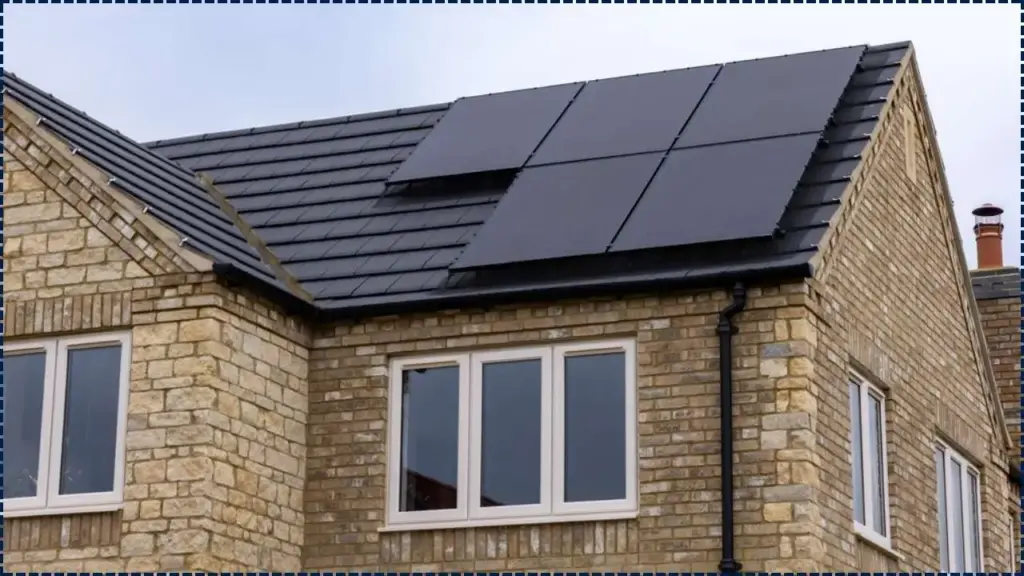
Whether you’re installing a new system or optimizing an existing one, knowing how to qualify for high-tier SEG rates is crucial to maximizing your solar income this spring.
Highest UK Solar Export Tariffs
| Key Factor | Octopus Energy | OVO Energy | Other Providers |
|---|---|---|---|
| Basic SEG Tariffs | ~4p/kWh | ~4p/kWh | ~3–5p/kWh |
| Advanced Tariffs | 20p–30p+/kWh (peak) | Limited availability | ~20p/kWh |
| Battery Requirement | Required for high tariffs | Optional | Highly recommended for high rates |
| Supplier Type | Smart/export tariffs | Fixed-rate | Varies widely |
Highest UK Solar Export Tariffs: How to Qualify for the Highest UK Solar Export Tariffs
The Smart Export Guarantee (SEG), introduced in 2020, requires UK energy suppliers to pay homeowners for surplus electricity exported to the grid. The tariff rates vary significantly between suppliers, with some offering modest rates and others offering higher returns based on the installation setup.
By 2026, more households are starting to maximize their income from SEG due to the availability of smart meters, battery storage systems, and time-of-use tariffs.
Understanding the qualifications and how to optimize your energy export strategy can help homeowners earn substantially more than the typical 4p/kWh payout.
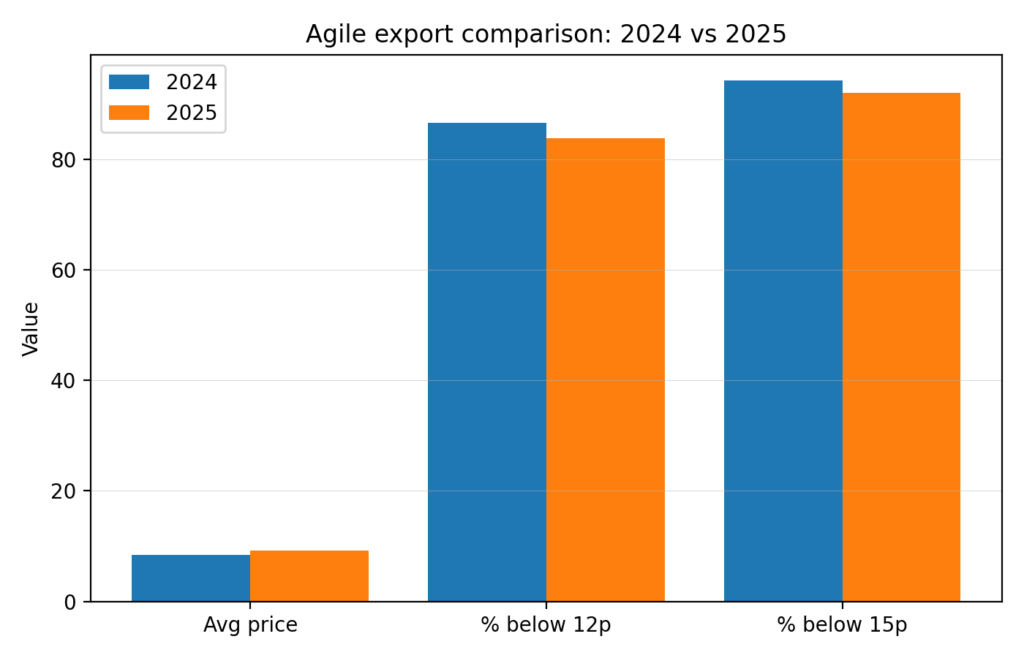
The Highest-Paying SEG Tariffs in 2026
Top-Tier Smart Tariffs (20p–30p+/kWh)
Octopus Energy remains a leader in the high-paying SEG market:
- Octopus Flux offers up to 30p/kWh during peak hours, and Octopus Intelligent Flux offers rates between 20p and 30p during peak periods (typically from 4 to 7 pm).
- Good Energy offers a competitive flat rate (~15p) for premium plans.
- British Gas offers ~15p per kWh for premium export tariffs.
Mid-Tier Tariffs (10–15p/kWh)
- OVO Energy offers fixed premium tariffs at around 10p–12p/kWh, though these do not vary based on the time of energy export.
- E.ON Energy and SSE provide similar offers, but these tend to lack the flexibility of time-of-use tariffs.
Standard Tariffs (3–5p/kWh)
- OVO Energy and EDF offer basic SEG rates around 4p/kWh for customers without smart meter setups or battery storage. These are the most widely available tariffs, but they provide the lowest returns.
Guide to Qualifying for the Highest Tariffs
1. Ensure Your Solar System is MCS-Certified
For SEG eligibility, your solar system must be installed by a certified professional under the Microgeneration Certification Scheme (MCS). This ensures compliance with UK energy standards and qualifies your system for export.
2. Install a Smart Meter
A smart meter is required to measure energy export in half-hourly increments. Without one, you won’t qualify for most premium SEG tariffs. Suppliers like Octopus Energy and others offer smart tariffs only if you have a smart meter.
3. Add a Battery Storage System
To maximize your SEG earnings, battery storage systems allow you to store excess energy generated during the day and export it when energy demand (and prices) are higher, typically during the evening.
Why a Battery is Crucial
- Charge during the day with solar power.
- Export at peak times (4–7 pm).
- Earn higher rates (up to 30p/kWh).
Households with batteries can earn significantly more by shifting exports to peak pricing periods. This is one of the most effective ways to increase income through SEG.
4. Choose a Supplier with Time-of-Use Tariffs
To qualify for the highest export rates, you need to be on a time-of-use tariff.
- Octopus Energy Flux, Intelligent Flux, and OVO Energy offer smart tariffs that reward export during peak hours.
- Ensure you’re enrolled in the right plan that offers the highest payouts during the high-demand evening period.
5. Monitor Energy Usage & Export Periods
Higher-paying tariffs depend on timing. Peak periods for electricity demand usually coincide with the evening when people return home and use appliances.
- Export during 4–7 pm: This is when higher rates are typically applied by suppliers with time-of-use tariffs.
- Install an energy management system (optional but beneficial) to track and adjust energy flows.
Spring Advantage: Why Now Is the Best Time
Key Reasons
- Longer daylight hours provide increased solar generation.
- Lower heating demand in spring means more surplus energy.
- Peak solar generation aligns with peak export hours (late afternoon and early evening)
- Increased efficiency: Solar panels work more efficiently during the sunny months, maximizing potential for export earnings.
Real-World Earnings Scenarios
Scenario 1: Standard Setup (No Battery, Fixed SEG)
- System Size: 3-4kW
- Tariff: 4p/kWh
- Annual Earnings: £100–£200
- Additional Notes: Exports mostly occur during daylight hours, limiting earnings.
Scenario 2: With Battery Storage and Smart Tariffs
- System Size: 3-4kW with 4kWh battery.
- Tariff: 20p–30p/kWh (time-of-use, peak period).
- Annual Earnings: £400–£800+.
- Additional Notes: Earnings increase due to battery usage to store surplus energy and export at peak.
Scenario 3: Advanced Setup with Optimized Exports
- System Size: 5kW with battery and smart meter.
- Tariff: Up to 30p/kWh during peak times.
- Annual Earnings: £800–£1,200.
- Additional Notes: High returns due to active management of energy export at peak times, using smart monitoring and battery integration.
Regional Considerations: Where You Can Earn the Most
Geographic location plays a role in solar panel output. Homes in southern England tend to generate more electricity due to greater sunlight, translating into higher potential earnings. However, houses with battery systems or those in sunny regions like Cornwall or Kent will see optimal results.
Common Pitfalls and Rejection Factors
Many households fail to qualify for higher tariffs due to:
- Not having a battery (required for most smart tariffs).
- Failure to install a smart meter.
- Incorrectly-sized systems (too small to meet export thresholds).
- Non-certified installers (leading to SEG disqualification).
Related Links
WA Residential Battery Scheme: How Synergy and Horizon Customers Can Save Up to $7,500
Real Estate Value: Does Installing Solar with Government Loans Increase Your Home’s Resale Price?
What’s Next for the UK Solar Market?
The UK’s renewable energy market is undergoing significant changes. As solar adoption increases, the government is expected to make adjustments to SEG rates. The rise in electric vehicles and home battery systems is further supporting the shift toward smart grids, leading to even more flexible and profitable export opportunities for homeowners.
The trend is clear: battery-integrated solar systems will continue to provide the highest returns. Homeowners are encouraged to act now, especially as the 0% VAT rule for solar panels could also be a limited-time opportunity through 2027.
Earning 20p/kWh or more from solar exports in the UK is a real possibility, but it requires careful planning and the right setup. By installing battery storage, opting for smart tariffs, and timing exports effectively, homeowners can unlock substantial financial rewards from the Smart Export Guarantee.
As spring offers ideal conditions for maximizing solar earnings, now is the perfect time to invest in upgrades that will boost both your financial return and your energy independence.