
Plug-in solar safety has moved to the forefront of the UK’s energy transition in 2026, as regulators revise G98 grid connection rules and update BS 7671 wiring standards.
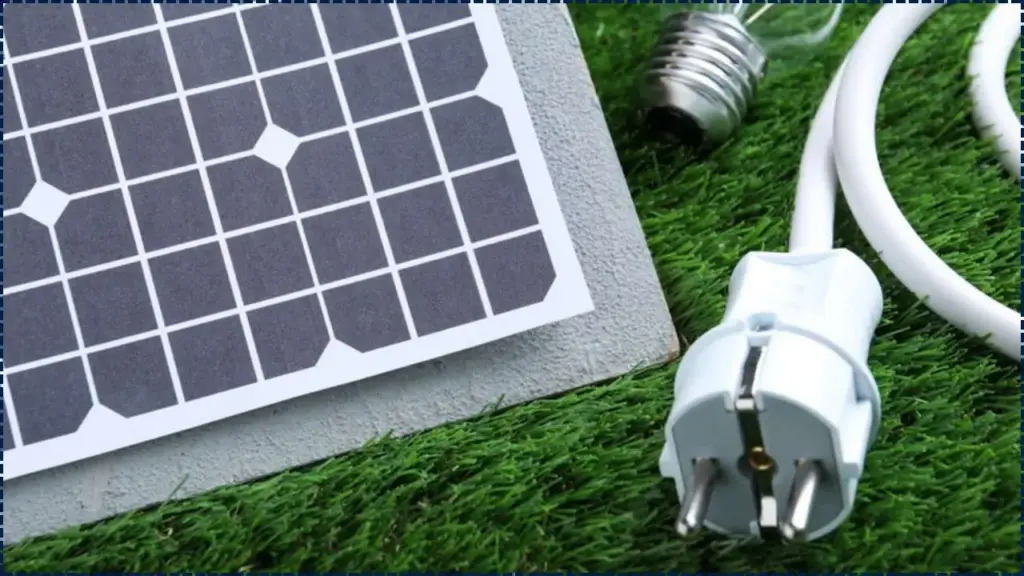
The changes aim to allow small, plug-in solar systems while addressing long-standing concerns over electrical safety, reverse power flow, and the limits of traditional household wiring.
Is Plug-in Solar Safe
| Key Fact | Detail |
|---|---|
| Plug-in solar legalization | Limited approval expected (~600–800W systems) |
| G98 threshold | Applies to systems under 3.68 kW per phase |
| BS 7671 update | Amendment 4 focuses on distributed energy and safety |
| Core risk | Reverse power flow in ring circuits |
Plug-in solar safety in 2026 reflects a careful balance between innovation and risk management. Updated G98 and BS 7671 rules open the door to wider adoption, but they also reinforce the importance of compliance, certification, and informed use.
The success of plug-in solar will depend not just on technology, but on how responsibly it is deployed.
What Is Plug-in Solar and Why It Matters Now
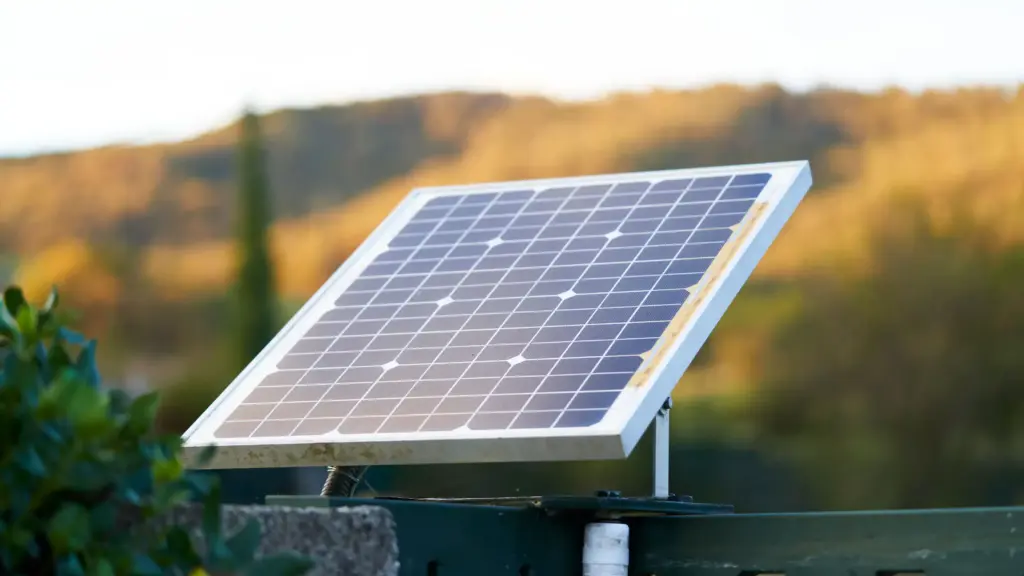
Plug-in solar systems are compact photovoltaic units designed to connect directly to a standard wall socket. Unlike traditional rooftop installations, they require no major rewiring or structural changes.
Typically producing between 300 and 800 watts, these systems are marketed as affordable and accessible. In countries such as Germany, they are often used on balconies or small rooftops, allowing households to offset daytime electricity use. In the UK, however, adoption has been limited by safety regulations—until now.
Why Plug-in Solar Safety Became a Concern
Reverse Power Flow Challenges
The UK’s domestic wiring system is largely built on ring circuits, which distribute electricity in a loop from the consumer unit. These systems were designed for one-directional power flow. Plug-in solar introduces a reversal, feeding electricity back into the circuit.
This can create:
- Localized overheating in cables.
- Uneven current distribution.
- Stress on protective devices not designed for bidirectional flow.
Electrical engineers warn that even small systems, if poorly installed, could amplify these risks.
Absence of Dedicated Circuit Protection
Traditional solar installations include:
- Dedicated breakers.
- Isolation switches.
- Clearly defined connection points.
Plug-in systems may bypass these safeguards, depending on how they are installed.
This raises concerns about:
- Fault detection delays.
- Increased reliance on existing wiring integrity.
- Difficulty isolating the system during emergencies.
What Changed in 2026: Policy Meets Demand
The UK government’s shift reflects growing public demand for low-cost renewable options. Plug-in solar offers a pathway for:
- Renters unable to install rooftop systems.
- Urban residents with limited space.
- Households seeking lower upfront costs.
Officials have indicated that small systems will be permitted under strict conditions, aligning with European practices. However, regulators emphasize that accessibility must not compromise safety.
G98 Explained: The Grid Connection Backbone
Scope of G98
G98 governs the connection of small-scale generators to the electricity distribution network. It applies to systems up to 3.68 kW per phase. Plug-in solar systems fall comfortably within this limit.
Core Safety Requirements
Under G98, systems must include:
- Type-tested equipment compliant with grid standards.
- Anti-islanding protection, ensuring automatic shutdown during outages.
- Notification to the local Distribution Network Operator (DNO).
These requirements are critical in preventing grid instability and protecting maintenance workers.
BS 7671 Amendment 4: Modernizing Electrical Safety
Why the Update Matters
BS 7671 is the UK’s primary electrical safety standard. Amendment 4, introduced in 2026, reflects the rapid rise of decentralized energy technologies.
It addresses:
- Solar generation.
- Battery storage.
- Electric vehicle charging.
Key Changes Affecting Plug-in Solar
The update introduces:
- New rules for bidirectional power flow.
- Enhanced requirements for circuit protection.
- Clearer guidance on integrating small-scale generation into existing systems.
According to electrical safety bodies, these changes aim to ensure that emerging technologies operate safely within legacy infrastructure.
Cost, Savings, and Economic Considerations
Plug-in solar systems are often marketed as low-cost alternatives to traditional solar installations.
Typical Cost Range (2026)
- £300 to £1,000 depending on size and quality.
- Minimal installation costs compared to rooftop systems.
Potential Savings
- Reduction in daytime electricity bills.
- Faster payback period (often 2–5 years in favorable conditions).
However, experts caution that savings depend heavily on:
- Usage patterns.
- Sunlight exposure.
- System efficiency.
Insurance and Liability Implications
One overlooked aspect of plug-in solar safety is insurance.
Home insurers may:
- Require compliance with BS 7671.
- Deny claims for damage caused by uncertified installations.
- Request proof of professional installation.
Industry analysts warn that improper systems could expose homeowners to financial risk beyond initial costs.
Enforcement and Compliance Challenges
Regulators face a key challenge: ensuring compliance without discouraging adoption. Potential enforcement measures include:
- Certification requirements for equipment.
- Retail restrictions on non-compliant products.
- Public awareness campaigns.
Experts note that enforcement will likely evolve as adoption increases.
Industry and Expert Perspectives
The electrical and energy sectors remain divided.
Supporters argue that:
- Modern inverters and protections make systems inherently safe.
- European adoption demonstrates viability.
Skeptics counter that:
- UK wiring systems differ significantly.
- Consumer misuse remains a major risk.
A senior electrical engineer noted that “the issue is not the technology itself, but how it interacts with existing infrastructure.”
Lessons from Europe
Germany and the Netherlands provide useful case studies.
Their frameworks typically include:
- Strict output limits (600–800W).
- Mandatory certification.
- Simplified registration processes.
These countries have seen widespread adoption with relatively few reported safety incidents, though their wiring systems differ in key respects.
Common Myths About Plug-in Solar Safety
Myth 1: It’s as safe as plugging in any appliance
Reality: Plug-in solar introduces generation, not consumption, requiring additional safeguards.
Myth 2: Small systems cannot cause harm
Reality: Even low power can create localized overheating under certain conditions.
Myth 3: No approval is needed
Reality: G98 compliance and DNO notification are still required.
What Homeowners Should Do Before Installing
Experts recommend the following steps:
- Verify equipment certification
- Check compatibility with home wiring
- Consult a qualified electrician
- Notify the local network operator
- Review home insurance requirements
These steps help ensure both safety and compliance.
Related Links
Solar for New Builds: A 2026 Guide for UK Property Developers and Home Buyers
Earning 20p/kWh: How to Qualify for the Highest UK Solar Export Tariffs This Spring
Future Outlook: Toward Smarter Energy Systems
Plug-in solar is part of a broader shift toward decentralized energy. Future developments may include:
- Smart inverters with grid-responsive features.
- Integration with home battery systems.
- Dynamic load management.
Policymakers are expected to refine standards further as technology evolves.
FAQs
Is plug-in solar fully legal in 2026?
It is being introduced under controlled regulations with strict limits.
Do I need permission to install one?
You typically need to notify your Distribution Network Operator under G98.
Are these systems safe for older homes?
Not always. Older wiring may require upgrades.
Can plug-in solar damage appliances?
Not if properly installed and compliant, but poor setups can create risks.