
The rollout of plug-in solar kits in UK retail is reshaping how households access renewable energy, with Lidl and Amazon leading the first wave.
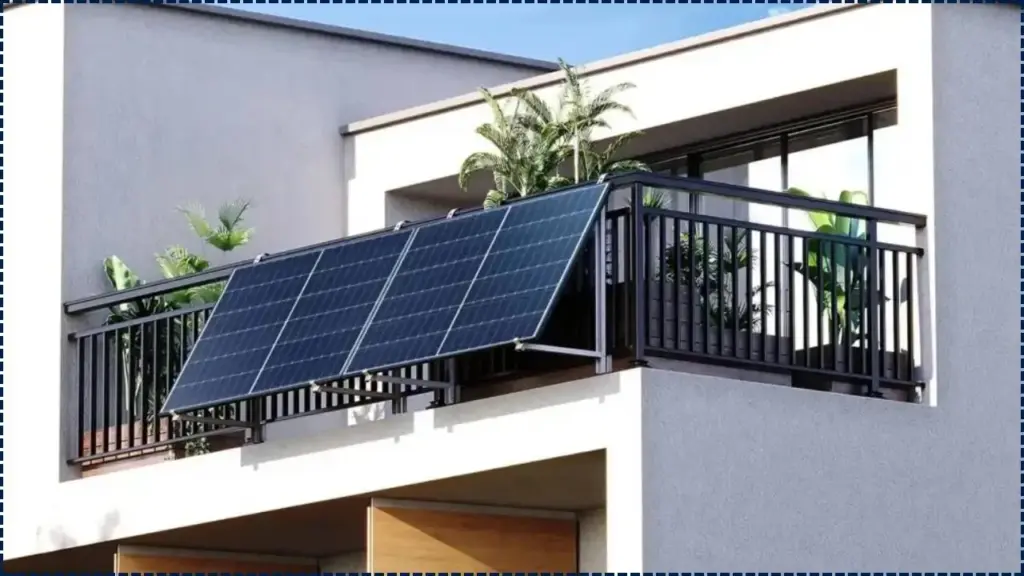
As regulations evolve in 2026, the comparison between Lidl vs Amazon plug-in solar kits highlights critical differences in cost, safety assurance, compliance, and long-term usability.
Retail Plug-in Solar Kits
| Key Fact | Detail |
|---|---|
| Retail expansion | Lidl and Amazon among first to sell plug-in solar kits in UK |
| Price range | £200–£800 depending on product |
| Regulatory framework | Governed by G98 and BS 7671 |
| Core trade-off | Lidl = simplicity; Amazon = flexibility |
The comparison between Lidl vs Amazon plug-in solar kits reflects a broader transition in the UK energy landscape. As solar becomes a retail product, the balance between accessibility, safety, and regulation will shape its future.
Both models offer distinct advantages, but their success will depend on informed consumer choices and effective oversight.
Lidl vs Amazon Plug-in Solar Kits: A Defining Moment for Retail Energy
The arrival of plug-in solar kits in mainstream retail signals a structural shift in the UK energy market. Solar power, once dependent on professional installation and significant capital investment, is now being packaged as a consumer product.
This transformation is driven by three forces:
- Regulatory easing under G98 and BS 7671 updates.
- Rising energy prices and consumer demand.
- Advances in compact inverter technology.
The Lidl vs Amazon comparison reflects two fundamentally different approaches to this emerging market.
What These Plug-in Solar Kits Actually Include
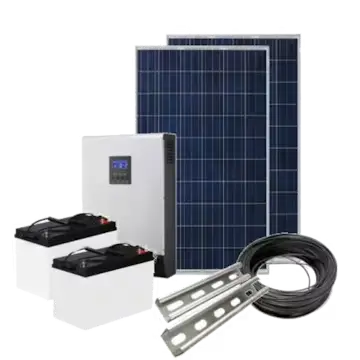
Retail plug-in systems are compact but technically sophisticated. Most kits contain:
- Photovoltaic panels (typically 300–800W combined output).
- A micro-inverter converting DC electricity into usable AC.
- A connection cable designed for domestic sockets.
Some advanced Amazon kits also include:
- Smart monitoring apps.
- Expandable panel configurations.
- Optional battery integration.
Lidl’s Model: Controlled Simplicity and Mass Adoption
Retail Strategy and Supply Chain
Lidl’s approach is built on centralized procurement and limited-time retail batches. Products are typically sourced from a single manufacturer, ensuring consistency across units.
This strategy allows Lidl to:
- Negotiate lower prices.
- Maintain tighter quality control.
- Simplify the buying decision.
Product Design Philosophy
Lidl kits are designed for immediate usability:
- Pre-configured components.
- No technical assembly required.
- Output capped within regulatory limits.
Advantages
- Affordability: Among the lowest entry prices in the market.
- Ease of use: Minimal technical knowledge required.
- Lower compliance risk: Standardized sourcing reduces variability.
Limitations
- Limited upgrade potential.
- Lack of advanced features (e.g., smart monitoring).
- Dependence on availability of periodic stock.
Amazon’s Model: Open Marketplace and Technical Flexibility
Marketplace Dynamics
Amazon’s plug-in solar offerings come from multiple vendors, ranging from established energy brands to newer entrants. This creates a highly diverse product ecosystem.
Product Range and Features
Amazon kits vary widely in:
- Output capacity (300W–800W+).
- Build quality and materials.
- Software integration and monitoring.
Some systems are designed for integration into broader home energy setups, including battery storage.
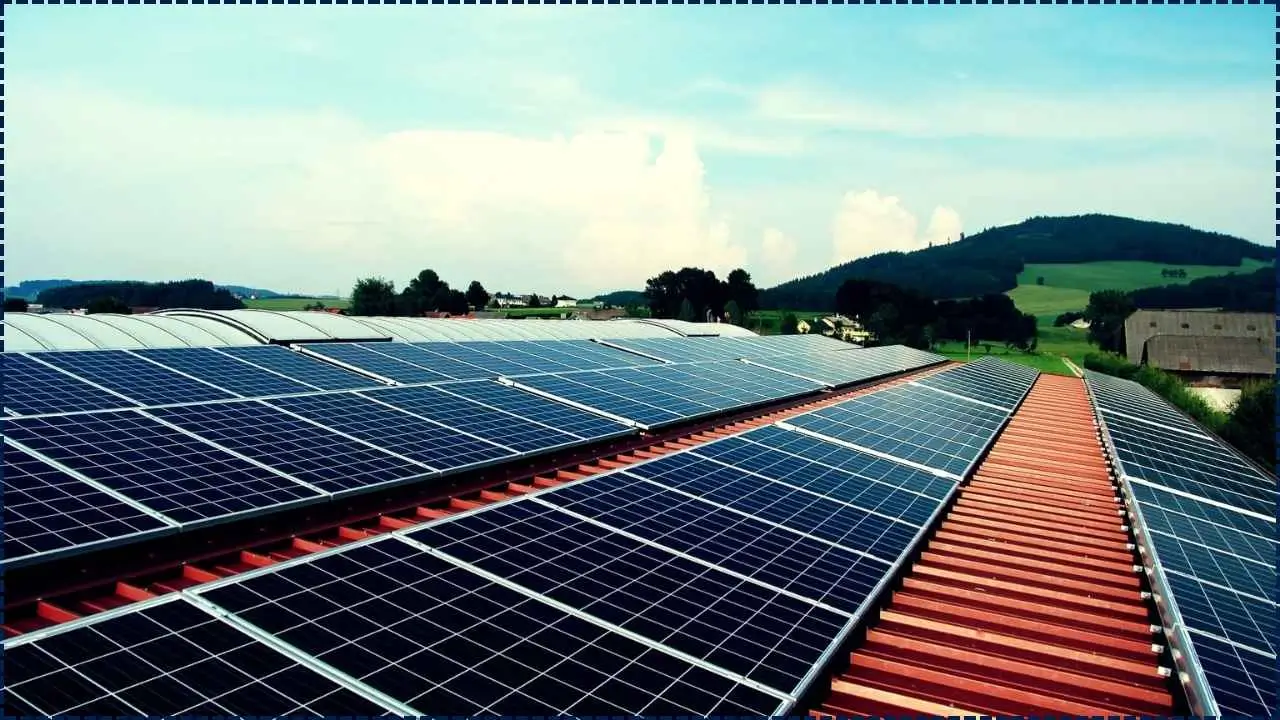
Earn Extra Cash from Your Roof! Here’s How Regular Homeowners Can Sell 'Carbon Credits' from Solar
Advantages
- Choice: Multiple brands and configurations.
- Scalability: Systems can grow with user needs.
- Transparency: Customer reviews provide performance insights.
Limitations
- Quality inconsistency across sellers.
- Higher complexity for installation and setup.
- Increased risk of non-compliant products.
Technical Breakdown: Where the Differences Really Matter
Micro-Inverter Quality
The micro-inverter is the most critical component in any plug-in solar system.
- Lidl kits likely use standardized, pre-approved inverters.
- Amazon kits vary widely in inverter quality and certification.
Thermal and Load Management
Plug-in systems must handle:
- Heat dissipation.
- Load balancing within circuits.
Higher-end Amazon systems may include advanced thermal controls, while Lidl kits rely on conservative design limits.
Smart Features
Amazon kits often include:
- Real-time monitoring apps
- Energy usage analytics
Lidl kits generally lack these features, prioritizing simplicity.
Safety and Compliance Under UK Regulations
All plug-in solar kits must comply with:
- G98 grid connection standards.
- BS 7671 wiring regulations.
Lidl: Compliance by Design
Because Lidl controls sourcing:
- Products are more likely to meet baseline compliance.
- Consumers face fewer verification requirements.
Amazon: Compliance by Verification
Amazon buyers must independently confirm:
- Certification of inverters.
- Anti-islanding functionality.
- Compatibility with UK electrical systems.
Failure to do so can create safety risks.
Warranty, Support, and After-Sales Service
Lidl
- Limited warranty period.
- Store-based returns.
- Minimal technical support.
Amazon
- Manufacturer warranties vary (often 1–10 years).
- Access to seller and brand support.
- Greater availability of replacement parts.
Environmental Impact and Lifecycle Considerations
Plug-in solar kits offer environmental benefits by reducing grid electricity consumption. However, lifecycle factors matter:
- Manufacturing emissions of panels and electronics.
- Disposal and recycling of components.
- Longevity of systems.
Higher-quality Amazon systems may offer longer lifespans, while budget kits may require earlier replacement.
Grid Impact: Small Systems, Big Implications
While individual plug-in systems are small, widespread adoption could have cumulative effects:
- Reduction in peak demand.
- Increased variability in local grid loads.
- Need for smarter grid management.
Energy analysts suggest that aggregated small systems could meaningfully contribute to distributed generation.

UP सरकार का बड़ा ऐलान! सिर्फ ₹5,000 टोकन मनी में करें सोलर पंप की बुकिंग, जानें आवेदन प्रक्रिया
Consumer Risks: Where Problems Can Arise
Key risks include:
- Use of uncertified equipment.
- Incorrect installation in unsuitable circuits.
- Overestimation of energy savings.
Experts emphasize that plug-in solar is not risk-free, despite its simplicity.
Expert Perspectives: A Divided Industry
Supporters argue that:
- Plug-in solar democratizes energy access.
- Modern systems are inherently safe.
Critics warn that:
- UK wiring systems differ from continental Europe.
- Consumer misuse remains a significant concern.
An energy policy analyst stated that “retail solar is inevitable, but its success depends on how well safety standards are enforced.”
Related Links
Best SEG Rates March 2026: Octopus vs. OVO – Who Pays the Most for Your Solar Power?
Save £1,500 Today: Why the 0% VAT Rule Makes 2026 the Cheapest Year for Solar Installations
Lidl vs Amazon: Which One Should Consumers Choose?
Choose Lidl If:
- You want a low-cost, simple solution.
- You prefer minimal setup.
- You value standardized compliance.
Choose Amazon If:
- You want customization and scalability
- You are comfortable evaluating technical specifications
- You plan to expand your system over time
FAQs
Which is safer?
Lidl may offer more consistent compliance, while Amazon requires careful product verification.
Which is cheaper?
Lidl typically offers lower upfront prices.
Can Amazon kits be upgraded?
Many allow expansion and integration with other systems.
Do both require compliance with UK regulations?
Yes, all systems must meet G98 and BS 7671 standards.