
India’s 2026 National Solar Portal dashboard is transforming how the nation processes rooftop solar subsidies. Designed to offer full transparency, faster processing, and a seamless application journey, the upgraded portal connects homeowners, vendors, distribution companies (DISCOMs), and regulators.
With these advancements, applicants can track their solar subsidy journey—from initial registration to Direct Benefit Transfer (DBT) of subsidy amounts—directly through the platform. This marks a pivotal shift towards digital governance and efficiency.
The National Portal Dashboard in 2026: Streamlining India’s Solar Subsidy System
India’s push for rooftop solar adoption has been increasingly supported by digital infrastructure. The National Solar Rooftop Portal, launched as part of the Pradhan Mantri Surya Ghar Yojana (PM Surya Ghar), facilitates easy tracking, registration, and subsidy management for residential solar installations.
In 2026, this portal has become an essential tool, eliminating bureaucratic delays and enabling real-time updates. Previously, solar subsidy applications were plagued by inefficiencies and lack of transparency, often involving multiple offline steps across various intermediaries.
With the new centralised portal, applicants can track every step of their application—such as approvals, installations, and payments—via a single, user-friendly digital interface.
An MNRE official explained, “The new platform provides unparalleled visibility into the subsidy journey, reducing administrative burdens and empowering users to manage their entire solar application from start to finish.”
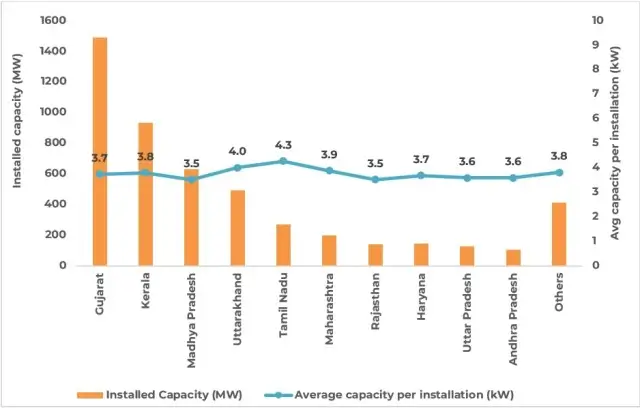
How the Portal Works: A Guide
1. Simple Registration and Integration with National Databases
The application process begins with user registration. By providing basic details like:
- Aadhaar (for identity verification).
- Electricity consumer number.
- Mobile number.
The platform auto-fills fields linked to government databases like Aadhaar, electricity consumption records, and bank account details for Direct Benefit Transfer (DBT). This integration speeds up data entry and minimizes errors.
2. Document Upload and Application Submission
Applicants upload scanned copies of the following documents:
- Aadhaar.
- Electricity Bill.
- Bank Details.
The portal checks for any missing or incorrect documentation, helping users fix issues before the submission process. Once complete, applicants submit the form electronically, moving to the next step.
3. Feasibility Checks and Vendor Selection
The application is sent to the local DISCOM for a feasibility check. Here, utility companies assess:
- Local grid capacity.
- Availability of net-metering.
- Solar system specifications.
Once approved, the user is redirected to select from MNRE-approved vendors for solar installation. This ensures that all equipment used meets government guidelines and warranty standards.
The user can also compare vendor options on the portal, reviewing customer feedback, pricing, and services. This step increases vendor accountability and ensures that quality installations are performed.
4. Installation and Site Inspection Tracking
After choosing a vendor, installation tracking begins. The portal updates users on:
- Installation progress.
- Inspection scheduling.
- Final verification.
DISCOM personnel conduct net metering installation and certify that the system is operational. Once verified, users can monitor inspection status via the dashboard.
5. Subsidy Processing and Direct Benefit Transfer (DBT)
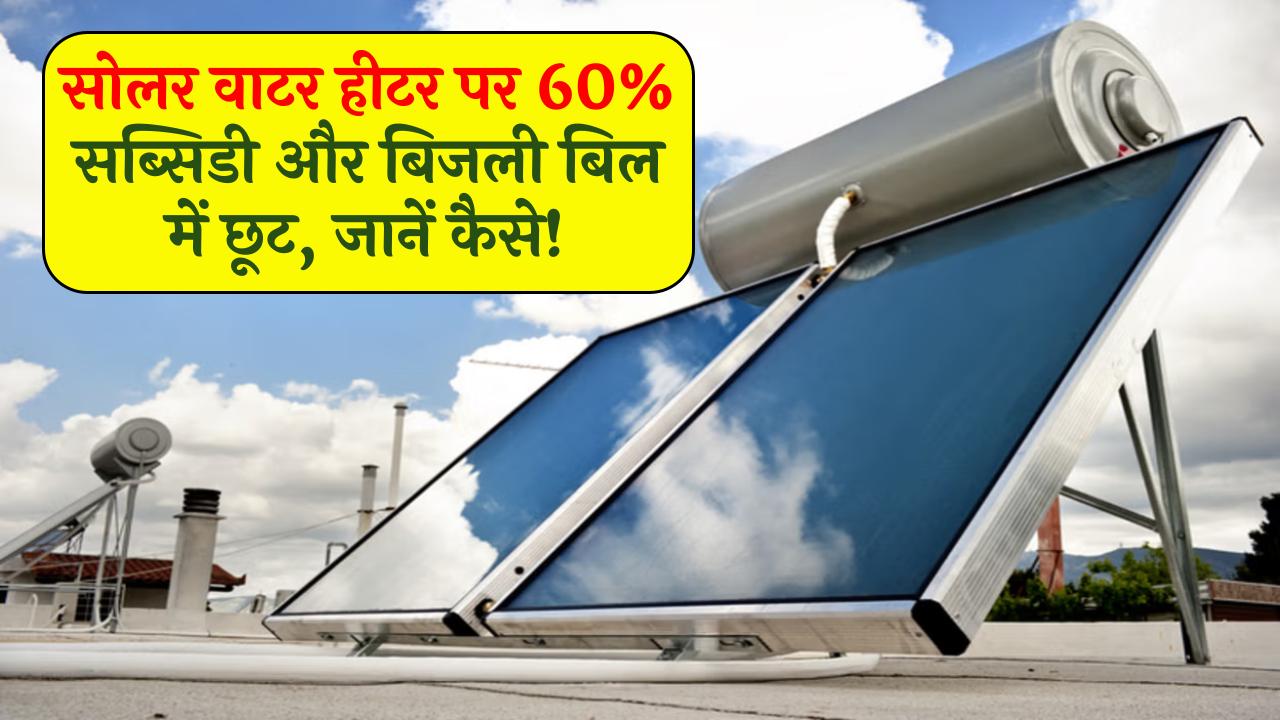
After installation, the subsidy application enters the final stage. The DISCOM confirms the installation and triggers subsidy disbursal. Subsidy amounts, which can range from ₹20,000 to ₹78,000 depending on system size, are directly credited to the applicant’s bank account via DBT.
The portal’s DBT Tracker section allows users to view:
- Transaction status.
- Expected transfer date.
- Bank reference number.
This direct, transparent method eliminates middlemen and accelerates the subsidy process.
What Sets the Portal Apart in 2026?
Centralised Application Tracking
The new dashboard offers a centralised tracking system that displays every stage, from application submission to final subsidy transfer. No longer do applicants have to rely on multiple government offices for status updates.
Digital Integration with Financial Systems
Direct Benefit Transfer (DBT) ensures quick and transparent payments. Moreover, the portal’s integration with national databases (like Aadhaar and utility records) minimizes data entry and speeds up the entire process.
Vendor Accountability
For the first time, solar customers have direct access to MNRE‑approved vendors, enabling comparison and selection based on service reviews, pricing, and experience. This builds trust in the system.
Challenges and Barriers: What Needs Improvement?
While the portal improves efficiency, certain hurdles remain:
Feasibility Approval Delays
Although DISCOM approvals have sped up, there are still reports of delays in high-demand regions, especially where grid congestion is an issue. In some cases, installations are held up due to outdated infrastructure or weak transmission lines.
Rural and Tier-2/3 Regions
In rural areas, internet access and technological literacy can be barriers. While the dashboard is designed to be user-friendly, some offline support mechanisms may still be necessary to assist less digitally connected households.
How India’s Solar Sector is Changing in 2026
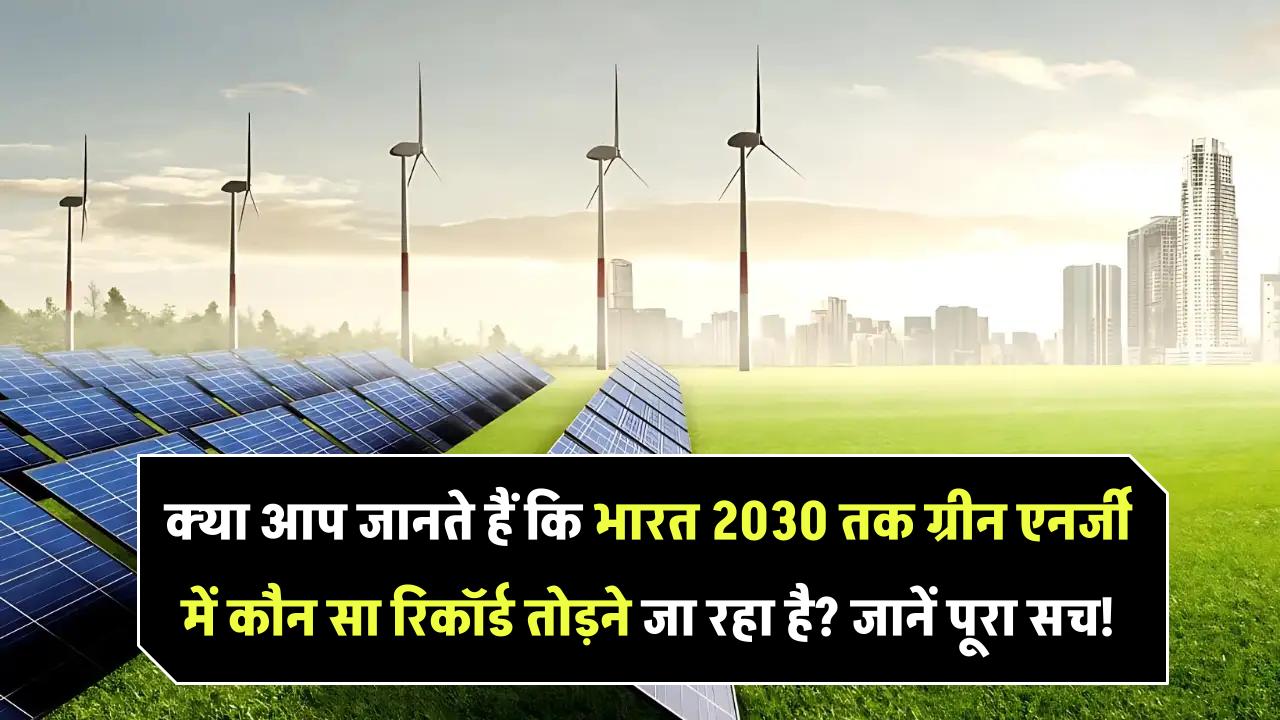
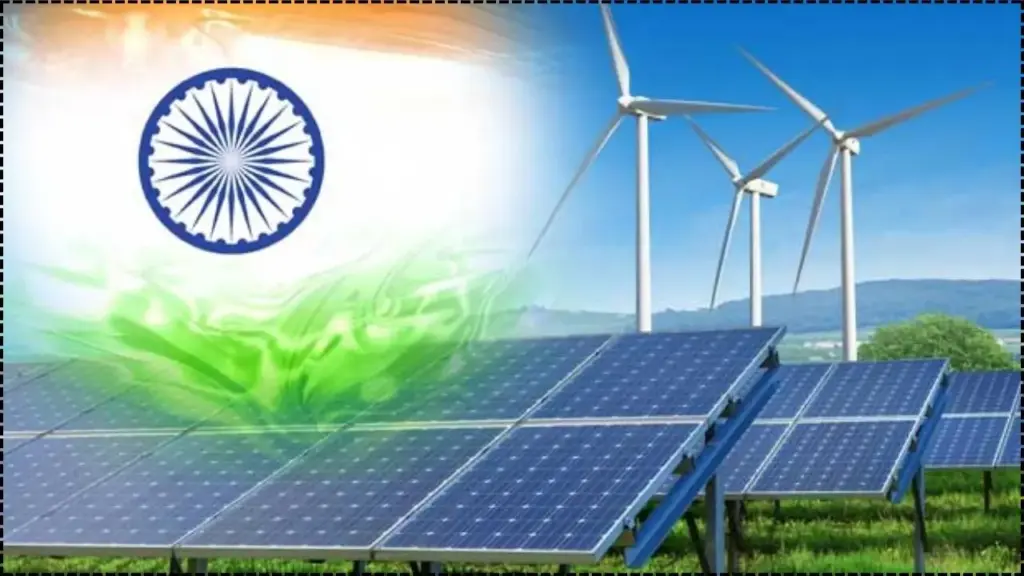
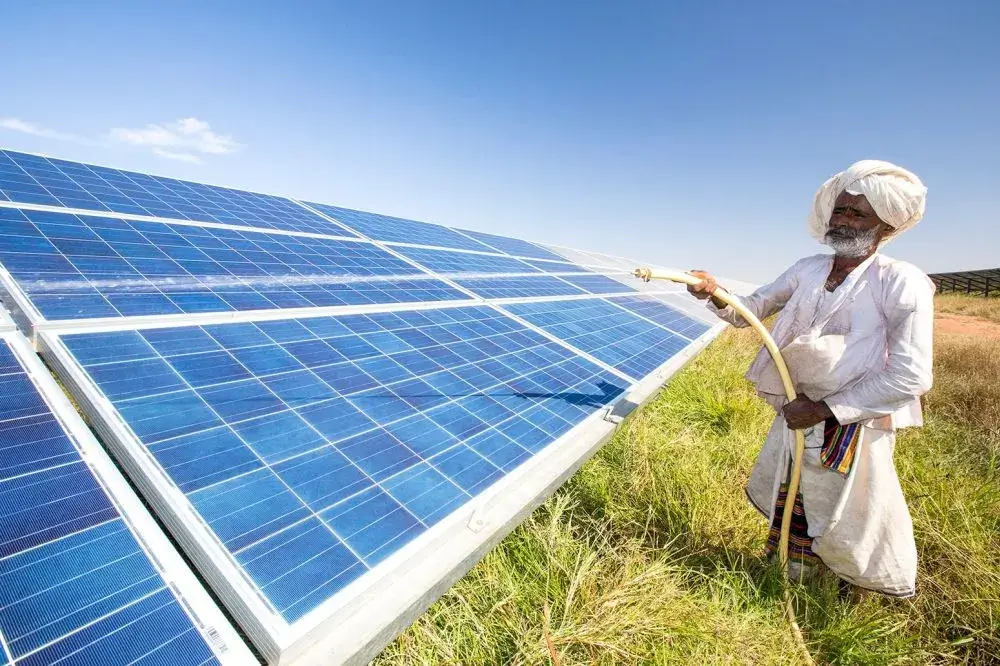
India’s solar capacity is experiencing rapid growth. With over 140 GW installed as of 2026, solar accounts for the largest share of renewable energy in India. Solar installations surged by 36 GW in 2025 alone, further solidifying its role in India’s clean energy transition. (pib.gov.in)
Government reports show that solar capacity now accounts for over 50% of total renewable energy capacity in India, with an ambitious target to reach 500 GW by 2030.
International Comparisons: Learning from Other Countries
While India’s digital push is noteworthy, it’s not unique. Countries like the United States, Germany, and China have integrated similar platforms to streamline solar installations, though India’s unique challenge lies in its distributive grid and diverse geography.
Countries that have invested in smart grid technologies and distributed energy resources (DERs) are seeing fewer integration issues compared to India, which is still working on expanding its transmission network.
However, India’s targeted push for hybrid systems (solar + storage + wind) is innovative and could provide a model for other emerging economies.
Related Links
Is the 0% VAT Relief Extending? Latest 2026 Updates from the Treasury on Solar Taxation
ECO4 Final Countdown: You Have Only 5 Days Left to Claim Free Solar Before the Scheme Ends
Future Outlook: What Lies Ahead for the Portal
India’s National Solar Portal dashboard represents a forward-thinking approach to governance. Over the coming years, policymakers and developers are expected to focus on:
- Expanding data analytics to predict energy needs and system stress points.
- Strengthening storage solutions like battery energy storage systems (BESS).
- Scaling net-metering regulations to accommodate more rooftop systems.
- Increasing the digital accessibility of solar subsidies for rural households.
As India continues to scale up its renewable energy capacity, the solar subsidy tracking portal will likely be central to ensuring equitable, efficient, and transparent clean energy access for all.
The National Solar Portal overhaul in 2026 marks a pivotal moment for India’s solar ambitions. By offering end-to-end tracking of solar subsidy applications, integrating national databases, and ensuring DBT subsidy disbursement, the platform promises to revolutionise how residential solar systems are deployed across India.
While challenges remain in infrastructure and digital accessibility, the portal represents a major leap forward in making India’s clean energy transition smoother, faster, and more transparent.