India’s residential solar market is expanding rapidly in 2026, driven by subsidies, rising electricity costs, and climate commitments.
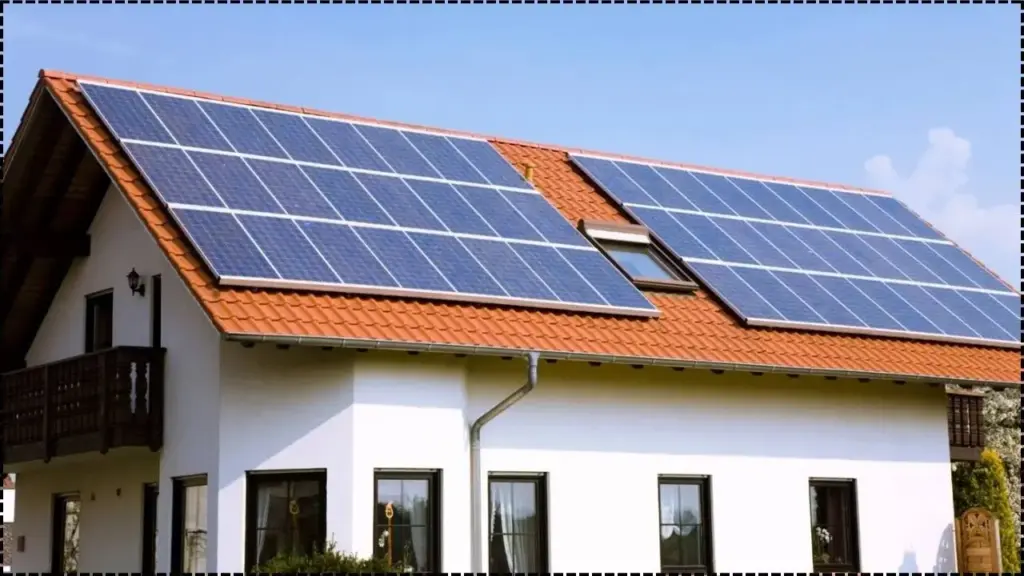
Yet experts warn that homeowners must follow a detailed rooftop solar checklist before signing installation contracts to avoid technical failures, hidden costs, and regulatory hurdles.
Why Rooftop Solar Adoption Is Accelerating in 2026
Government-backed programmes such as PM Surya Ghar have significantly boosted residential solar adoption. Rising grid tariffs and improved financing options are also pushing households towards solar investments.
According to policy analysts, rooftop solar is no longer seen as a luxury but as a long-term cost-saving asset. However, rapid adoption has also exposed gaps in consumer awareness.
A senior renewable energy consultant said, “India’s rooftop solar growth is strong, but many homeowners are still under-informed at the decision stage.”
The Rooftop Solar Checklist: Five Essential Verifications
1. Structural Integrity and Roof Suitability
Solar panels typically remain installed for over two decades, making structural safety a critical starting point.
Key Checks
- Roof strength and load capacity.
- Existing cracks or leakage issues.
- Waterproofing and drainage.
Ignoring structural readiness can lead to long-term risks and expensive repairs.
2. Sunlight Exposure and Shadow Analysis
Solar efficiency depends directly on sunlight availability.
Verify
- South-facing orientation (ideal in India).
- No shading from trees or nearby buildings.
- Seasonal sun movement patterns.
Even minor shading can reduce energy output significantly.
3. Energy Consumption and System Sizing
Choosing the right system size ensures optimal performance and savings.
Steps
- Review electricity bills from the past year.
- Calculate average daily consumption.
- Consider future usage (EVs, ACs, appliances).
Experts recommend aligning system size closely with consumption patterns to maximise efficiency.
4. Installer Credibility and Contract Transparency
The installer plays a central role in system performance.
Verify
- Certifications and government empanelment.
- Experience and past installations.
- Warranty terms (25 years for panels, 5–10 years for installation).
- Maintenance and support services.
Dr. Rohit Verma, renewable energy consultant, said, “The installer’s expertise directly affects long-term output more than the equipment itself.”
5. Government Approvals, Subsidies and Net Metering
Regulatory compliance determines both functionality and financial benefits.
Confirm
- DISCOM approval
- Net metering agreement
- Subsidy eligibility
- Proper documentation
Failure to complete these steps can delay or deny financial assistance.
NEW: Contract Red Flags Every Homeowner Must Watch
Experts warn that many risks lie hidden within installation contracts.
Common Red Flags
- Vague performance guarantees
- No mention of maintenance responsibility
- Hidden charges or escalation clauses
- Lack of penalty clauses for delays
A legal advisor specialising in energy contracts said, “Homeowners should treat solar contracts like long-term infrastructure agreements, not simple purchases.”
NEW: Understanding Return on Investment (ROI)
Solar is often marketed as a quick-saving solution, but actual returns depend on multiple factors.
Typical ROI Factors
- System cost after subsidy.
- Electricity tariff trends.
- System efficiency.
- Maintenance costs.
Estimated Payback Period
- 4 to 7 years in most urban areas.
- Faster in high-tariff regions.
After payback, electricity becomes nearly free for the remaining system life.
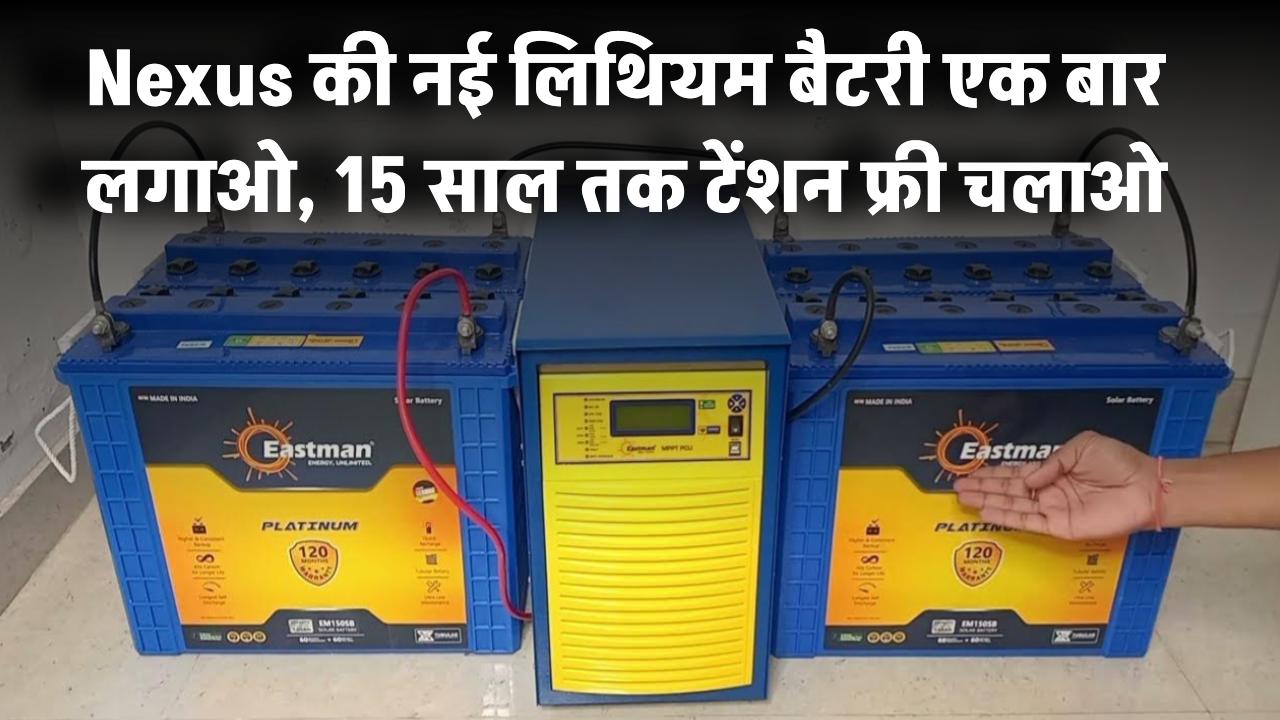
अब बैटरी बार-बार बदलने का झंझट खत्म! Nexus की नई लिथियम बैटरी एक बार लगाओ, 15 साल तक टेंशन-free चलाओ
NEW: DISCOM Challenges and Ground Realities
Despite policy support, homeowners often face practical hurdles.
Common Issues
- Delays in approvals.
- Net metering restrictions.
- State-level policy variations.
Industry observers note that DISCOM cooperation varies significantly across states.
NEW: Insurance and Risk Protection
Solar systems are long-term assets exposed to environmental risks.
Recommended Coverage
- Damage due to storms or fire.
- Theft or vandalism.
- Electrical faults.
Insurance is not mandatory but increasingly recommended by experts.
NEW: Real-World Case Insight
A Delhi-based homeowner who installed a 5 kW system reported strong savings but highlighted initial challenges.
“The system works well now, but approvals took months. I wish I had checked the process more carefully before signing,” the homeowner said. Such experiences underline the importance of pre-contract verification.
Financial Considerations Beyond Installation
Beyond upfront costs, homeowners must evaluate long-term expenses.
Additional Costs
- Cleaning and maintenance.
- Inverter replacement.
- Monitoring systems.
Experts stress that realistic financial planning ensures better outcomes.
Safety and Technical Compliance
Safety measures are essential for reliable operation.
Must-Have Features
- Proper earthing
- Surge protection
- High-quality wiring
Electrical experts emphasise adherence to safety standards to avoid hazards.
Environmental and Policy Impact
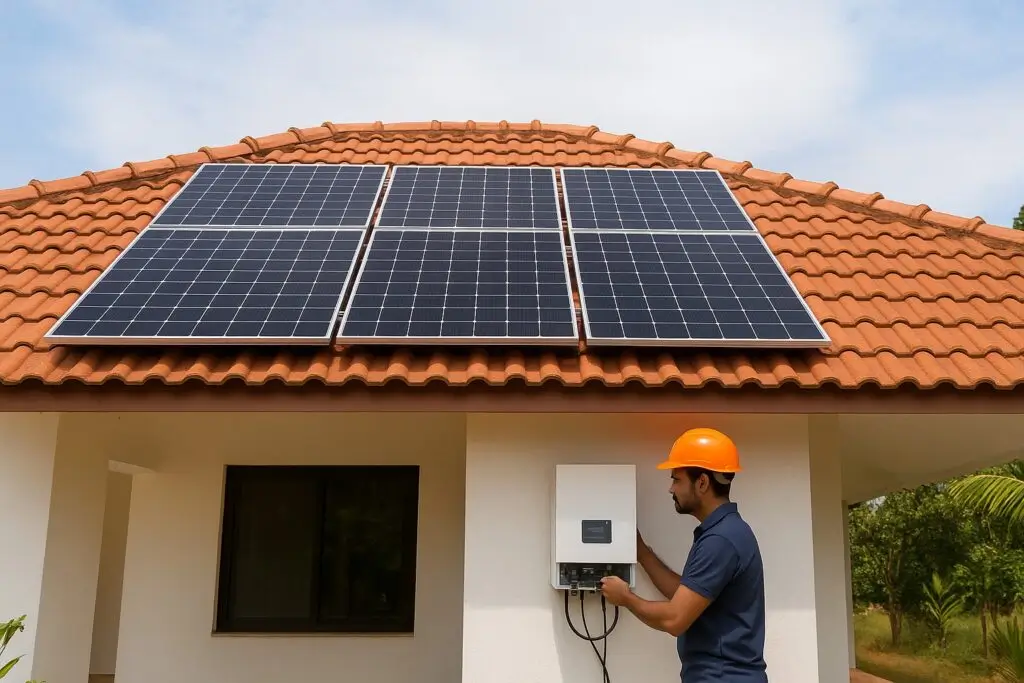
Rooftop solar contributes to:
- Reduced carbon emissions
- Lower reliance on coal
- Decentralised energy systems
According to international energy agencies, distributed solar plays a key role in sustainable energy transitions.
Related Links
AI & Drones in Solar: How Smart Monitoring is Increasing Solar Farm Efficiency by 15% in India
Mini Solar Light Trap: Buy Online for Pest Control in Farms Ends Pest Troubles Forever
Future Outlook: The Next Phase of Rooftop Solar
India’s solar sector is expected to evolve with:
- Smart grid integration
- Real-time monitoring apps
- Standardised contracts
- Faster approvals
Experts believe improved awareness will reduce risks and improve adoption quality.
The rooftop solar checklist is no longer optional in 2026—it is essential. As solar adoption rises, the risks of poor planning also increase. By verifying technical, financial, contractual, and regulatory factors before signing, homeowners can ensure safe installations, strong returns, and long-term energy security.