
The Pradhan Mantri Surya Ghar Yojana (PM Surya Ghar) has long been a flagship initiative in India’s push toward a greener future. In 2026, new updates to the scheme have introduced a complex but important shift: the possibility of bypassing the Domestic Content Requirement (DCR) certificates while still being able to participate in the solar installation program.
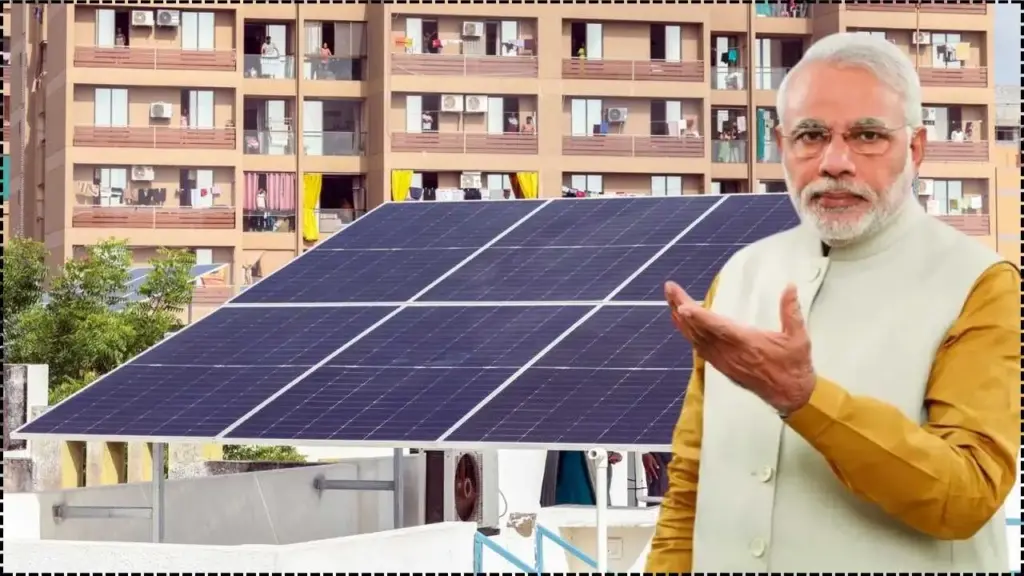
This article explores the details of these changes, explaining how to navigate the new landscape, apply for subsidies, and understand the long-term implications of the policy.
What is the PM Surya Ghar Scheme?
Launched with the goal of promoting rooftop solar installations across the country, the PM Surya Ghar Yojana offers financial subsidies to eligible citizens to offset the costs of installing solar panels.
The program has been a key part of India’s renewable energy strategy, with the government aiming to reach a 500 GW target of renewable energy capacity by 2030. The scheme has been instrumental in fostering the growth of solar energy across India, providing financial incentives to reduce carbon emissions and dependence on fossil fuels.
Since its inception, the program has seen significant growth, with thousands of rooftops across the country now equipped with solar panels.
The Importance of DCR Certificates in PM Surya Ghar
At the core of the PM Surya Ghar initiative is the Domestic Content Requirement (DCR) certificate, which ensures that solar panels used in the installation process are manufactured in India.
The DCR was introduced to support the domestic solar industry, ensuring that the growth of renewable energy contributes directly to India’s manufacturing sector. Without a DCR certificate, applicants could face delays or even be ineligible for the subsidy.
A DCR certificate verifies that the solar panels installed are sourced from Indian manufacturers, thus ensuring that funds are directed toward growing domestic industries rather than international suppliers. This has been a key feature of the scheme, but recent changes have introduced a more flexible approach.
Recent Updates in PM Surya Ghar 2026: Bypassing DCR
As of 2026, the government has introduced a new option for participants in the scheme. Applicants can now opt to install non-DCR compliant solar panels, but with a significant caveat: they must forgo the central subsidy provided by the scheme.
This “Give It Up” option allows users to bypass the stringent DCR requirement while still benefiting from the overall structure of the program, although they won’t receive financial aid from the government.
This change was implemented to ensure that the program remains accessible to all citizens, particularly those who may face difficulty sourcing DCR-compliant panels due to market constraints or local availability issues.
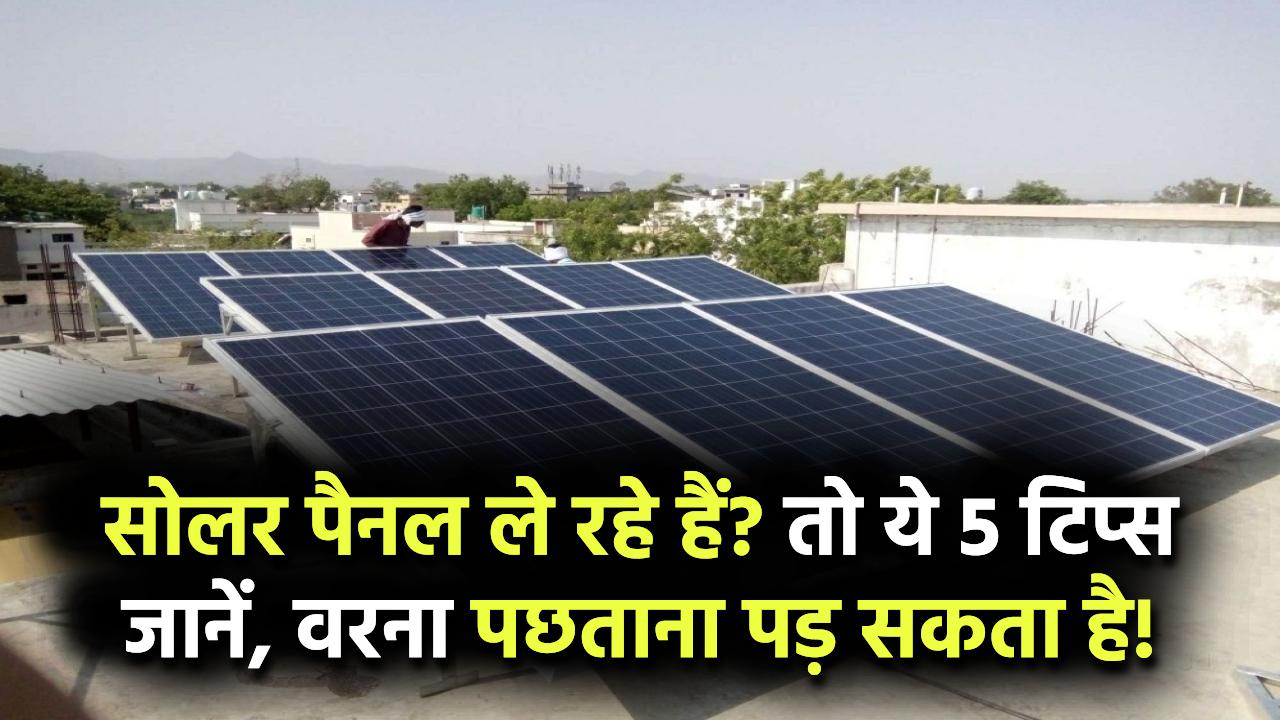
Solar Panel खरीदने जा रहे हैं? तो ये 5 टिप्स ज़रूर जान लें, वरना बाद में पछताना पड़ सकता है!
Guide to Apply for PM Surya Ghar
- Visit the National Portal: Begin by registering on the official PM Surya Ghar website.
- Upload Documents: You will need to provide proof of residence, an electricity bill, and your bank details. If you are applying for a DCR-compliant system, the DCR certificate will also need to be uploaded.
- Choose the Subsidy Option: Applicants must choose whether they wish to receive a subsidy or proceed with the “Give It Up” option, where they forgo the subsidy.
- Installation Process: Once your application is approved, an installer will contact you for the physical installation. The installation is subject to the distribution company’s schedule for grid inspection.
The “Give It Up” Option: What Does It Mean?
The “Give It Up” initiative allows applicants to forgo the subsidy for the ability to choose solar panels that may not meet the DCR criteria. This decision might be appealing for those in remote locations or those who have limited access to Indian-manufactured panels. However, this option comes with the understanding that no subsidy will be granted.
Many citizens are considering this route due to the flexible nature of the program, but it is crucial to understand that forgoing the subsidy does not expedite approval or installation processes.
Legal Implications and Risks
While the ability to bypass the DCR certificate offers a new level of flexibility, the temptation to falsify documents or make deceptive claims remains a serious risk.
Engaging in fraudulent practices to secure a subsidy is illegal and can lead to severe penalties, including disqualification from future government programs. Furthermore, individuals found to be violating the terms of the scheme may face legal consequences.
Expert Opinions
Dr. Ramesh Bhatia, an expert in renewable energy policy, asserts, “While the new ‘Give It Up’ option is a positive step toward inclusivity, it’s critical that the government continues to monitor the scheme’s integrity. Ensuring that panels used are of high quality is essential for the long-term success of the renewable energy transition.”
Regional Impact and Case Studies
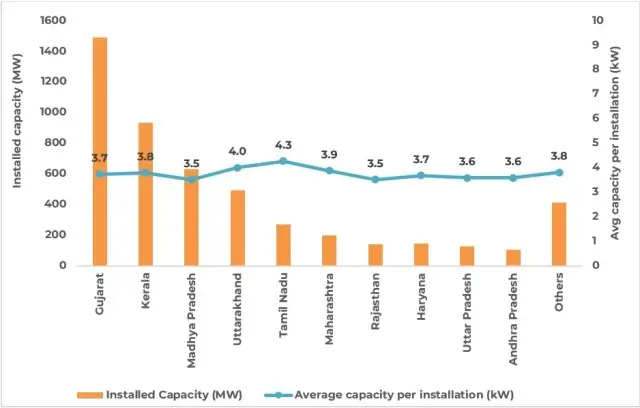
In states like Gujarat and Tamil Nadu, the scheme has been extremely successful, with citizens benefiting from both the subsidies and the ability to access high-quality DCR-compliant solar panels.
However, in more remote regions, particularly in the northeast and some parts of Uttar Pradesh, the DCR certificate has been a barrier, leading to a slower uptake of rooftop solar systems.
Impact on the Solar Industry
The new rule change has been met with mixed reactions. On one hand, it provides more options for consumers, but on the other hand, it may dilute the impact of the DCR policy, which was designed to boost the Indian solar manufacturing sector.
Industry leaders warn that this could lead to a reliance on imported panels and hinder the growth of domestic manufacturers.
Related Links
Future Developments
Looking ahead, it is likely that the government will continue to refine the PM Surya Ghar scheme, either tightening or relaxing requirements based on market conditions.
There are already discussions on the possibility of introducing new incentives for manufacturers of DCR-compliant panels to boost local production.
What Should You Do?
As the PM Surya Ghar 2026 scheme continues to evolve, citizens must stay informed and consider all their options carefully. Whether you choose to comply with DCR guidelines or opt to give up the subsidy, it is important to understand the implications of each choice.
With India’s renewable energy targets in mind, every decision made today will have a lasting impact on the country’s future.