
Agri-Solar 2026 is reshaping modern agriculture by enabling farmers to produce crops and generate solar electricity on the same land.
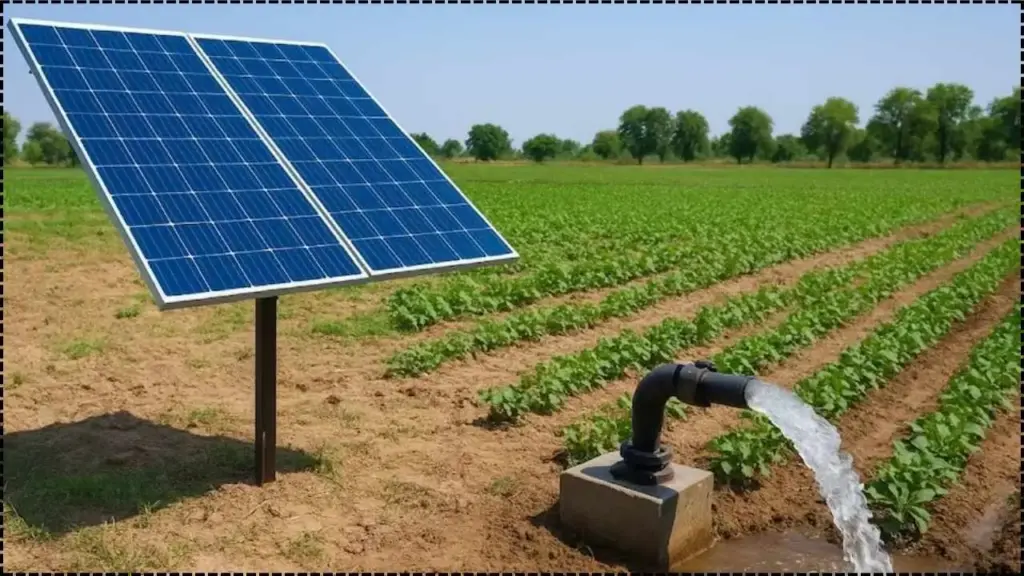
As energy demand rises and climate pressures intensify, governments and industry leaders are promoting this dual-use model to stabilize farm incomes and expand renewable energy capacity.
Agri-Solar 2026
| Key Fact | Detail |
|---|---|
| Dual land use | Crops + solar energy simultaneously |
| Income potential | Up to 2× farm earnings |
| Subsidy support | Up to 60% in some programs |
Agri-Solar 2026 is redefining the relationship between agriculture and energy. By enabling farmers to generate two income streams from the same land, it offers a practical solution to economic and environmental challenges. As adoption expands, the model is likely to play a key role in shaping the future of sustainable farming.
What Is Agri-Solar 2026 and Why It Matters
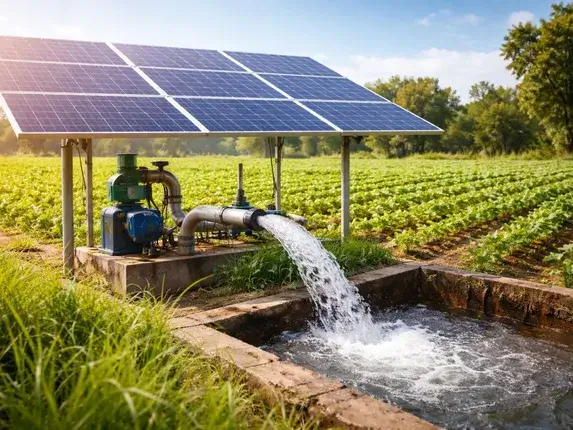
Agri-Solar 2026, also known as agrivoltaics, integrates solar photovoltaic panels into active farmland. Panels are mounted at a height or spacing that allows crops to grow underneath while electricity is generated above.
This model addresses a key global challenge: how to expand renewable energy without reducing agricultural land. By combining both uses, agri-solar improves land productivity and economic efficiency.
Energy analysts say this approach could become a cornerstone of sustainable rural development. “Agrivoltaics allows farmers to become both food and energy producers,” said a renewable energy researcher in a recent policy briefing.
Economic Impact: Two Income Streams from One Field
Stable Agricultural Output
Farmers continue to cultivate crops such as wheat, vegetables, and legumes. Research shows that partial shading from solar panels can reduce heat stress and water evaporation, sometimes improving crop yields in hot climates.
Additional Solar Revenue
Farmers generate income through:
- Selling electricity to the grid.
- Leasing land to solar developers.
- Using solar power to reduce operating costs.
In many regions, leasing provides predictable annual income, while owning solar infrastructure offers higher long-term returns.
Real-World Case Studies
India: Early Adoption Gains Momentum
In several Indian states, farmers participating in government-backed solar programs report steady secondary income. A farmer in Rajasthan, for example, earns from both crop cultivation and electricity sales under a decentralized solar scheme.
Germany: Efficiency Through Design
European pilot projects have demonstrated that carefully designed agrivoltaic systems can maintain or even increase agricultural productivity while generating renewable energy.
United States: Research-Driven Expansion
Universities and energy companies are testing crop compatibility and panel configurations. Early findings suggest strong potential for crops like lettuce, berries, and certain grains.
Government Policies Driving Agri-Solar Growth
Governments are playing a central role in scaling agri-solar systems.
Subsidies and Incentives
Programs such as India’s PM-KUSUM scheme offer financial support for solar installations, including:
- Solar irrigation pumps.
- Grid-connected solar plants.
- Decentralized renewable energy systems.
These policies reduce upfront costs and encourage adoption among small and medium farmers.
Regulatory Support
Some regions are updating land-use regulations to allow dual-use farming, removing legal barriers that previously restricted solar installations on agricultural land.
Environmental Benefits Beyond Income
Water Efficiency
Solar panels reduce direct sunlight exposure, lowering evaporation rates and conserving water.
Soil Health
Reduced heat stress can improve soil moisture retention and microbial activity, contributing to long-term soil quality.
Lower Emissions
Agri-solar systems generate clean energy, reducing reliance on fossil fuels and lowering carbon emissions.
Financial Models: Ownership vs Leasing
Ownership Model
- Higher upfront cost.
- Greater long-term profit.
- Control over energy production.
Leasing Model
- Minimal investment.
- Stable, fixed income.
- Lower risk.
Financial advisors suggest that the best model depends on land size, capital availability, and access to subsidies.
Risks and Challenges
High Initial Costs
Even with subsidies, installation costs can be a barrier for small farmers. Access to credit remains a critical issue.
Technical Limitations
Improper panel placement can reduce crop yields. System design must consider crop type, sunlight needs, and local climate.
Market Dependence
Income from electricity sales depends on grid connectivity, tariffs, and policy stability.
Expert Perspectives
Agricultural economists emphasize diversification as a key benefit. “Income stability is crucial for farmers facing climate uncertainty,” said a policy expert specializing in rural development.
Energy experts highlight the efficiency of dual land use. “Agri-solar eliminates the trade-off between food and energy production,” noted a renewable energy consultant. However, experts caution that widespread adoption requires better awareness, training, and technical support.
Social Impact on Rural Communities
Agri-solar systems can improve rural livelihoods by:
- Providing consistent income.
- Reducing dependence on unpredictable crop yields.
- Creating jobs in installation and maintenance.
At the same time, equitable access remains a concern. Policymakers must ensure that small and marginal farmers benefit from these opportunities.
Agri-Solar 2026 Adoption Guide for Farmers
- Assess land suitability and sunlight exposure.
- Choose a financial model (ownership or leasing).
- Apply for government subsidies or programs.
- Partner with certified solar providers.
- Select compatible crops.
- Monitor system performance and crop health.
Experts recommend pilot projects and gradual scaling to minimize risk.
Related Links
Hybrid Hydro-Solar: How Dam Reservoirs are Doubling as Massive Solar-Battery Hubs
Domestic Manufacturing Boom: Is India on Track to Become the World’s Third-Largest Solar Hub?
Future Outlook: Scaling Agri-Solar Beyond 2026
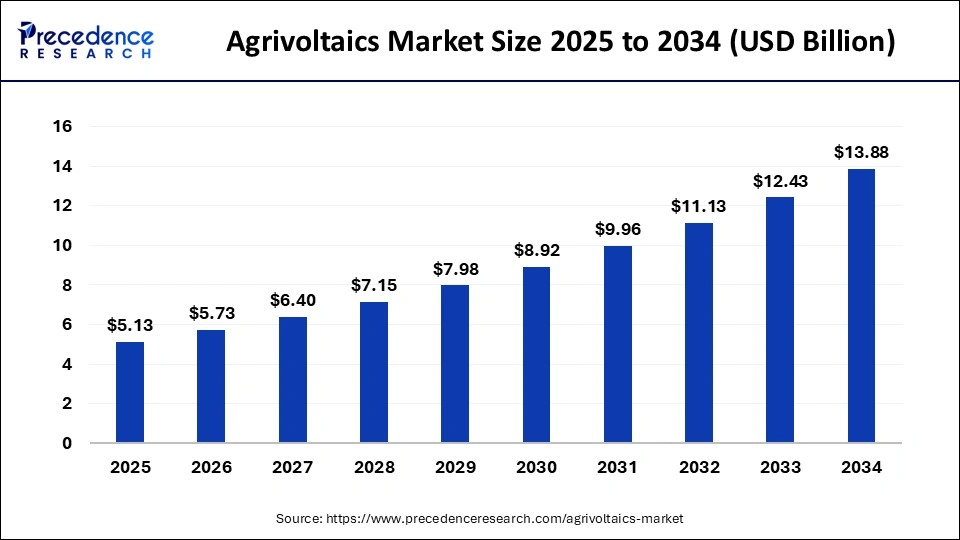
Industry forecasts suggest rapid growth in agri-solar adoption over the next decade. Declining solar costs, improved technology, and stronger policy support are expected to accelerate expansion.
Researchers are also exploring innovations such as:
- Adjustable solar panels for optimal sunlight distribution.
- Smart irrigation systems powered by solar energy.
- Data-driven crop management.
These developments could further enhance productivity and profitability.
FAQs
Is Agri-Solar 2026 suitable for all regions?
It depends on sunlight availability, crop type, and local policies. Regions with high solar radiation benefit the most.
What crops work best?
Shade-tolerant crops such as leafy greens, pulses, and some vegetables perform well.
How long does it take to recover investment?
Typically 5–7 years, depending on subsidies and energy prices.