
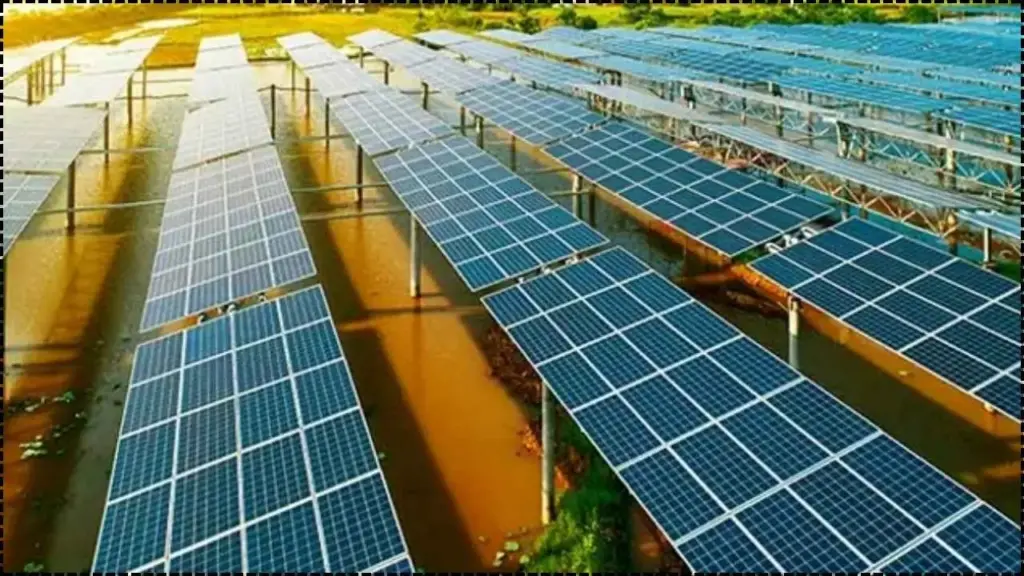
Solar farms are becoming increasingly intelligent as artificial intelligence reshapes how panels follow the sun. At the centre of the “AI-Optimized Sun Tracking” transformation is machine learning-driven sun tracking, enabling solar plants to boost energy output by up to 15% through real-time optimisation, predictive analytics, and adaptive system control.
AI-Optimized Sun Tracking
| Key Fact | Detail | Impact |
|---|---|---|
| Efficiency Gain | Up to 10–25% vs fixed systems | Higher energy generation |
| Core Technology | AI, ML, IoT sensors | Real-time optimisation |
| Economic Benefit | Lower LCOE, higher ROI | Improved project viability |
| Adoption Trend | Rapid growth in utility-scale solar | Industry transformation |
AI-optimised sun tracking is transforming solar energy generation by converting static systems into adaptive, data-driven networks. While challenges remain, the technology’s ability to improve efficiency, reduce costs, and enhance reliability positions it as a critical innovation in the global energy transition.
As adoption accelerates, the “AI-Optimized Sun Tracking” shift signals a future where solar farms operate as intelligent systems, maximising every unit of sunlight with precision.
How AI-Optimized Sun Tracking is Transforming Solar Tracking
Traditional solar systems rely on fixed tilts or pre-programmed tracking paths. These systems assume ideal conditions and cannot respond to real-world variability such as cloud cover, dust, or temperature fluctuations.
Machine learning introduces adaptability. AI-driven tracking systems analyse real-time environmental data and historical performance patterns to continuously optimise panel positioning. This allows solar farms to capture more sunlight under dynamic conditions.
From Mechanical Systems to Intelligent Infrastructure
Limitations of Legacy Systems
Conventional tracking systems:
- Follow fixed astronomical algorithms.
- Use basic light sensors.
- Lack predictive capabilities.
While these improve efficiency compared to fixed panels, they cannot adapt to rapidly changing conditions.
What AI Adds
AI-enabled tracking systems integrate:
- Satellite weather data.
- Ground-level irradiance sensors.
- Edge computing devices for real-time processing.
These systems make micro-adjustments throughout the day, improving alignment with available sunlight.
Quantifying the 15% Yield Gain
Performance Comparison
| System Type | Efficiency Gain |
|---|---|
| Fixed Tilt | Baseline |
| Single-Axis Tracker | +10–15% |
| Dual-Axis Tracker | +20–30% |
| AI-Optimised Tracking | Additional 5–15% |
AI does not replace trackers—it enhances them.
The Data Layer: What Powers AI Solar Tracking
Data Sources
AI systems rely on multiple data streams:
- Satellite imagery for cloud movement.
- IoT sensors for temperature and irradiance.
- Historical generation data.
Edge Computing Advantage
Instead of relying solely on cloud processing, many systems use edge computing:
- Faster decision-making.
- Reduced latency.
- Improved reliability in remote locations.
Real-World Deployment: Where AI is Already Working
Utility-Scale Solar Farms
AI tracking is increasingly deployed in:
- The United States (large desert solar farms).
- The Middle East (high irradiance, variable dust conditions).
- India (rapidly expanding solar capacity).
Case Example
In high-irradiance regions, AI-based systems have demonstrated:
- Improved performance during partial cloud cover.
- Better handling of dust-related efficiency losses.
- Increased annual energy yield.
Industry operators report measurable gains in both output and operational efficiency.
Environmental Impact: More Power, Less Land
Improved Land Use Efficiency
Higher energy yield means:
- More electricity from the same land area.
- Reduced need for additional installations.
Carbon Reduction Benefits
Increased efficiency accelerates:
- Carbon emission reductions.
- Transition away from fossil fuels.
Even a 10% efficiency gain across large-scale installations can significantly reduce emissions.
Economic Impact: Beyond Energy Output
Lower Levelised Cost of Energy (LCOE)
Higher output spreads fixed costs across more units of electricity, reducing overall cost per unit.
Improved Asset Performance
Developers benefit from:
- Increased revenue generation.
- Reduced downtime.
- Better long-term performance.
Impact on Financing
Lenders favour projects with:
- Predictable output.
- Lower operational risks.
- Stronger performance metrics.
AI improves all three.
Human vs Machine: Changing Workforce Dynamics
Reduced Manual Intervention
AI reduces the need for:
- Manual monitoring.
- Reactive maintenance.
New Skill Requirements
The workforce is shifting toward:
- Data analytics.
- AI system management.
- Digital operations.
This represents a structural shift in the solar workforce.
Challenges and Limitations
High Initial Costs
AI systems require:
- Advanced hardware.
- Software integration.
- Data infrastructure.
Data Quality Risks
Poor or incomplete data can lead to:
- Incorrect optimisation decisions.
- Reduced efficiency gains.
When AI May Underperform
AI systems may struggle in:
- Extremely unpredictable weather conditions.
- Data-scarce environments.
- Poorly calibrated installations.
Vendor Ecosystem and Industry Competition
The AI solar tracking ecosystem includes:
- Tracker manufacturers integrating AI features.
- Software companies offering optimisation platforms.
- Energy analytics firms providing forecasting tools.
Competition is driving rapid innovation and cost reduction.
Related Links
Second-Life Batteries: Giving Old EV Batteries a New Job in Home Solar Storage Systems
Electrolyzer Boom 2026: The Missing Link Between Solar Panels and Clean Heavy Transport
Future Outlook: Toward Autonomous Solar Farms
Integration with Storage and Grid
AI will increasingly coordinate:
- Solar generation.
- Battery storage.
- Grid demand.
Autonomous Operations
Future solar farms may:
- Operate with minimal human input.
- Optimise themselves continuously.
- Integrate seamlessly with smart grids.
FAQs
Does AI always improve solar output?
In most cases, yes, especially in environments with variable weather conditions.
Is AI tracking replacing traditional trackers?
No, it enhances existing tracking systems rather than replacing them.
Is it cost-effective for all projects?
It is most beneficial for large-scale solar farms.
What is the biggest advantage?
Higher efficiency and improved system reliability.