
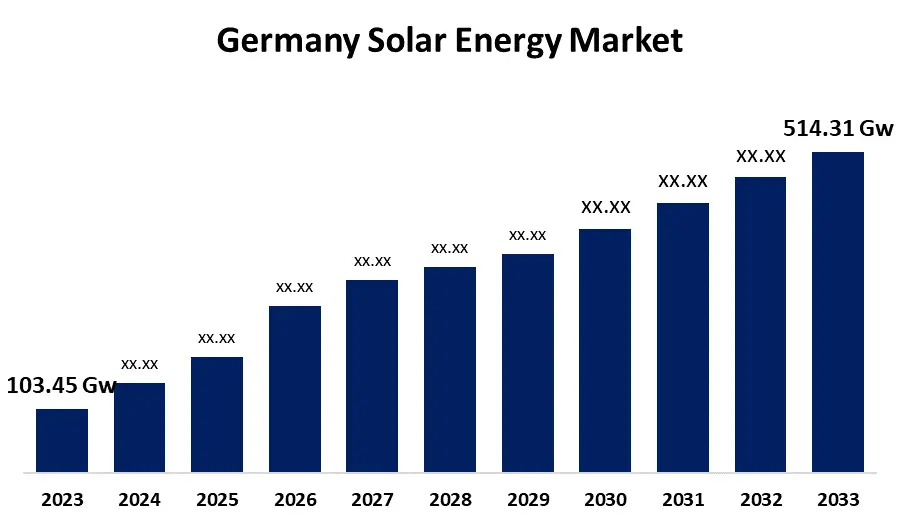
Germany’s energy transition picks up momentum in 2026 with enhanced solar energy incentives. The KfW 270 program offers low-interest loans for solar and battery storage, while state-level grants incentivize homeowners and businesses.

These measures aim to support a sustainable energy future and accelerate Germany’s efforts towards carbon neutrality.
The KfW 270 Loan Program: A Key Support Mechanism
The KfW 270 loan program remains a central tool in Germany’s strategy to promote renewable energy. Available to homeowners and businesses, the low-interest loans cover the cost of solar PV systems and battery storage.
The program offers favorable repayment terms, ranging from 5 to 20 years, making it an appealing option for individuals looking to adopt solar technology without incurring significant financial strain.
Key Details of the KfW 270 Program:
- Eligibility: Open to homeowners, small businesses, and municipalities.
- Loan Amounts: Can finance up to 100% of the project cost.
- Interest Rates: Competitive and lower than typical commercial financing options.
- Loan Terms: Flexible repayment period, allowing for longer-term financing of solar investments.
The KfW 270 loan can cover up to 100% of the installation costs, allowing borrowers to pay off the system over a longer period at lower interest rates compared to traditional loans.
Zero-Rate VAT on Solar and Batteries
One of the most impactful incentives available in Germany is the 0% VAT on solar panel installations and battery storage. In 2026, this policy continues to provide financial relief for homeowners and businesses by removing the usual 19% VAT that would apply to such purchases. This effectively lowers the upfront costs for solar energy systems.
For instance, a typical €6,000 solar installation would save €1,140 in VAT, significantly reducing the financial burden of transitioning to solar energy. When combined with KfW financing, the savings are even more substantial, making it one of the most attractive solar incentives available.
Feed-In Tariffs (EEG) and Long-Term Benefits
Under the Renewable Energy Sources Act (EEG), small residential systems (typically under 30 kWp) are eligible for feed-in tariffs (FITs). These tariffs guarantee homeowners a fixed payment for energy exported to the grid, securing long-term financial returns from solar power generation.
The FIT rates are periodically updated, but securing a contract in 2026 guarantees homeowners and businesses long-term revenue from solar energy, providing financial predictability for system owners.
State-Level Grants: Local Incentives for Solar and Storage Systems
Beyond federal initiatives, various state-level grants are available in Germany, each with its own requirements and funding amounts. These regional programs provide additional financial support for solar PV systems and energy storage solutions. Here are some examples of active programs in 2026:
Berlin: SolarPLUS Program
The SolarPLUS program in Berlin provides cash grants for residential and commercial installations that pair solar panels with battery storage. The grants can significantly reduce the upfront costs of installing both technologies.

North Rhine-Westphalia (NRW): Solar and Storage Subsidies
In NRW, subsidies continue to support solar and battery installations, with additional local grants in cities like Cologne. These programs are designed to encourage solar adoption while reducing energy costs.
Stuttgart: Solaroffensive
Stuttgart’s Solaroffensive program now offers higher incentives for businesses and larger installations, making it more financially feasible for commercial enterprises to adopt solar energy solutions.
Frankfurt: Klimabonus
Frankfurt offers the Klimabonus, a grant for residential solar installations paired with battery storage. The city’s initiative promotes environmental sustainability while reducing reliance on non-renewable energy sources.
Saxony: Sachsenkredit
Saxony’s Sachsenkredit program provides low-interest loans for solar installations and batteries, along with repayment grants of up to 20% of project costs for eligible applicants.
Why Battery Storage Is Crucial in Germany’s Energy Transition
Battery storage is essential for maximizing the benefits of solar energy. As solar power generation is intermittent, home batteries allow homeowners to store excess electricity produced during sunny periods for use later.
This means that solar energy users can consume more of their own generated power, reducing their reliance on the grid and decreasing electricity costs. In 2026, battery systems are a key component of solar adoption, allowing for:
- Increased self-consumption: Maximizing the use of generated solar power rather than exporting it.
- Grid independence: Reducing reliance on the grid and mitigating the risk of rising electricity prices.
- Sustainability: Helping Germany reach its carbon neutrality goal by facilitating the storage and use of renewable energy.
Solar Adoption in Germany: Opportunities and Challenges
Despite the generous incentives, several factors affect solar adoption. High initial costs remain a barrier for some, particularly in areas where local subsidies are limited. Additionally, the availability of skilled labor for installation remains an issue in some regions, potentially delaying projects.
इस Solar Stock ने किया धमाल! 1 साल में 500% रिटर्न, रेवेन्यू में 6100% ग्रोथ निवेशक हुए मालामाल
Technological Innovations
Advances in solar panel efficiency and battery technology continue to make these systems more cost-effective. The ongoing development of smart energy storage systems allows for better energy management, optimizing energy storage and consumption.
Related Links
Solar Payback 2026: Is Solar Still a Good Investment in Ontario and Alberta?
8 Out of 10 Homeowners Agree – Rooftop Solar Changed Their Lives! Find Out Why
Future of Solar Energy in Germany
Looking ahead, Germany’s solar energy sector is poised for significant growth. As part of its Energy Transition (Energiewende), Germany is committed to reducing its carbon emissions by 80% by 2050, and solar power will be a key driver in meeting these ambitious targets.
The financial incentives in 2026 are designed to make solar systems more affordable, and the transition to renewable energy is expected to continue to play a crucial role in Germany’s future energy strategy.
A Bright Future for Solar Energy in Germany
The 2026 solar subsidies in Germany, including KfW loans, zero-rate VAT, and state-level grants for battery storage, offer substantial financial support for individuals and businesses looking to adopt solar technology. These incentives help make the transition to renewable energy more accessible and are critical to Germany’s ongoing efforts to achieve carbon neutrality.
The continued focus on solar and battery storage technologies, combined with supportive financing programs, underscores Germany’s dedication to a sustainable, energy-independent future.