The New Mandate: Aadhaar Authentication Now Required for PM Surya Ghar Solar Subsidy introduces a key procedural change in India’s flagship rooftop solar programme.
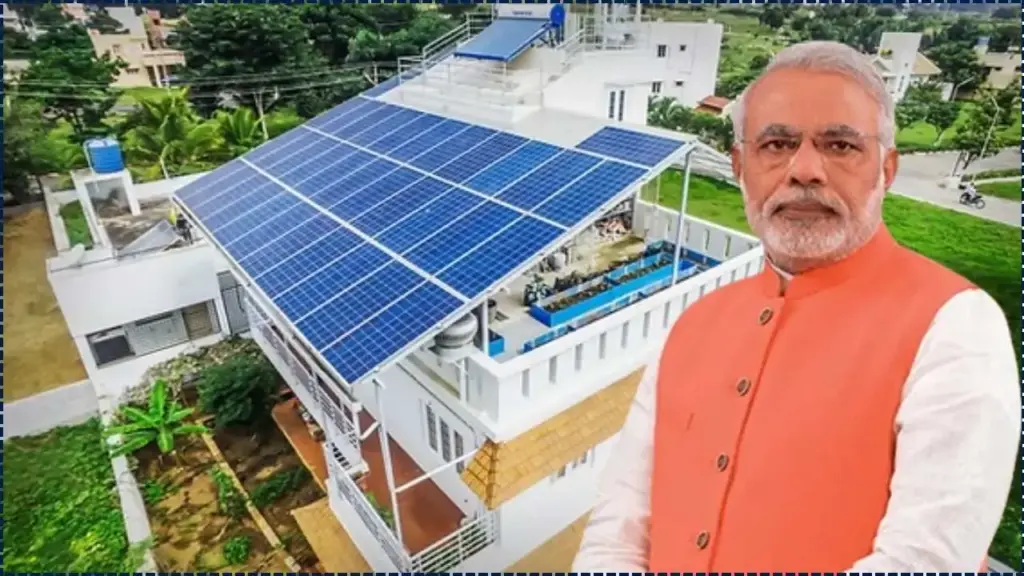
Announced in 2026, the government now requires Aadhaar-based verification for subsidy applicants to improve targeting, reduce fraud, and streamline delivery of financial assistance under the PM Surya Ghar: Muft Bijli Yojana.
Understanding the New Mandate: Aadhaar Authentication Now Required for PM Surya Ghar Solar Subsidy
The Ministry of New and Renewable Energy (MNRE) has mandated Aadhaar authentication for all beneficiaries under the scheme. Applicants must:
- Authenticate identity using Aadhaar, or
- Provide Aadhaar enrolment proof
According to officials, this requirement is designed to ensure accurate beneficiary identification and eliminate duplication. A senior MNRE official stated, “Aadhaar authentication strengthens transparency and ensures that subsidies are delivered only to eligible households.”
Overview of PM Surya Ghar: Muft Bijli Yojana
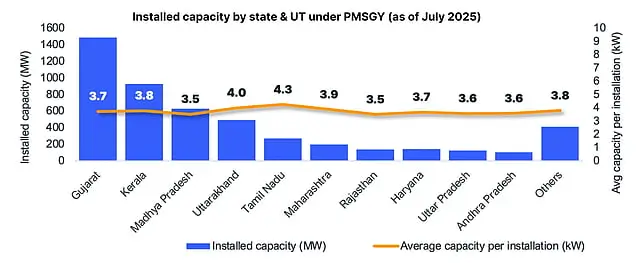
Launched in 2024, the scheme aims to transform India’s residential sector into a distributed solar power network.
Key Features:
- Target: 1 crore households
- Budget: Over ₹75,000 crore
- Benefit: Subsidised rooftop solar systems
- Output: Up to 300 units of free electricity per month
The programme is central to India’s strategy to expand renewable energy capacity while reducing household electricity costs.
Journey: How a Beneficiary Applies Now
With the Aadhaar mandate, the application process has become more structured.
Application Flow:
- Register on official portal
- Submit electricity and property details
- Complete Aadhaar authentication
- Vendor allocation and site inspection
- Installation and inspection
- Subsidy transfer via DBT
Experts say Aadhaar integration reduces verification delays and manual errors.
Legal Context: Aadhaar and Supreme Court Safeguards
The Aadhaar requirement operates within the framework of the Aadhaar Act, 2016, which allows its use for targeted subsidy delivery. However, the Supreme Court of India, in its landmark 2018 judgment, ruled that:
- Aadhaar can be mandatory for subsidies funded by the Consolidated Fund of India
- Individuals must not be denied benefits solely due to authentication failure
Legal experts emphasise that alternative verification mechanisms must remain available.
Why Aadhaar Authentication Has Been Introduced
1. Eliminating Duplicate Beneficiaries
Large-scale subsidy programmes are vulnerable to duplication. Aadhaar helps ensure one beneficiary per household.
2. Improving Efficiency
Digital authentication reduces processing time and administrative overhead.
3. Strengthening Direct Benefit Transfer (DBT)
Subsidies are directly credited to Aadhaar-linked bank accounts, improving transparency.
Role of DISCOMs and Vendors
Distribution Companies (DISCOMs)
- Verify electricity connections
- Approve grid integration
- Monitor energy usage
Solar Vendors
- Install rooftop systems
- Provide maintenance support
- Ensure compliance with technical standards
Experts highlight that coordination between DISCOMs and vendors is critical for timely implementation.
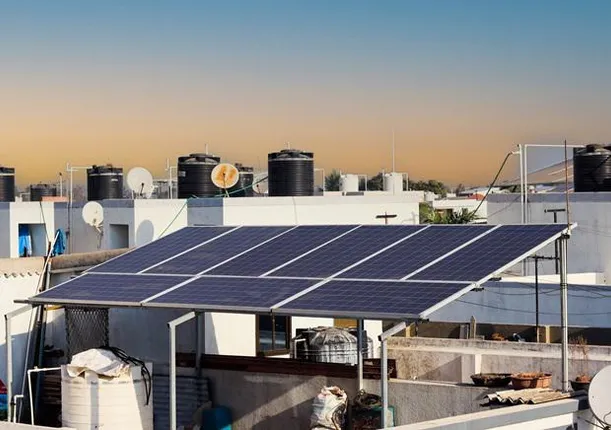
Real-World Impact: A Household Scenario
Consider a rural household consuming 150–200 units per month:
- With rooftop solar, most electricity needs can be met locally
- Monthly bills may reduce to near zero
- Excess power may be fed into the grid (where net metering applies)
This can significantly improve household savings and energy reliability.
Economic and Fiscal Implications
Government Spending
The scheme involves significant public expenditure. Analysts note that:
- Initial costs are high
- Long-term savings may arise from reduced power subsidies
Household Savings
Over time, beneficiaries could save thousands of rupees annually in electricity costs.
Market Impact
The policy may stimulate growth in:
- Solar manufacturing
- Installation services
- Renewable energy supply chains
Inclusion and Social Impact
Rural Electrification
The scheme can improve electricity access in underserved regions.
Gender Impact
Access to reliable electricity can:
- Reduce household labour
- Improve safety and productivity for women
Digital Inclusion Challenge
However, Aadhaar-based systems require:
- Mobile access
- Digital literacy
This may pose challenges in some regions.
Concerns and Criticism
Authentication Failures
Technical issues such as OTP delays or biometric mismatches may affect applicants.
Data Privacy
Civil society groups have raised concerns about data security in Aadhaar-linked systems.
Exclusion Risks
Experts warn that:
- Incorrect Aadhaar details
- Lack of mobile connectivity
could delay or block access to benefits.
Government Safeguards
Officials say the system includes:
- Alternative identification methods
- Aadhaar enrolment support centres
- Grievance redressal mechanisms
A policy official stated, “No eligible beneficiary should be excluded due to technical issues.”
International Comparison
India’s Aadhaar-linked subsidy model is unique in scale.
Global Context:
- Countries like Germany and the US offer solar incentives but rely on tax credits
- India uses direct subsidy transfers linked to digital identity
Policy experts say this model could influence other developing nations.
Related Links
ACME Solar Shares Poised for 34% Upside: Brokerage Remains Bullish Despite Recent Market Volatility
Bihar Free Solar Scheme: 2.5 Lakh BPL Families to Get Free Rooftop Solar Under Kutir Jyoti Yojana
Future Outlook
The Aadhaar mandate is expected to:
- Improve subsidy governance
- Increase trust in public programmes
- Accelerate rooftop solar adoption
However, its success will depend on inclusive implementation and strong oversight.
The decision to mandate Aadhaar authentication for the PM Surya Ghar solar subsidy represents a significant evolution in India’s approach to welfare delivery and renewable energy policy. By linking identity verification with financial assistance, the government aims to enhance transparency, efficiency, and accountability.
At the same time, ensuring inclusion and addressing technical challenges will be essential to the scheme’s success. As India expands its clean energy ambitions, the balance between digital governance and accessibility will remain a key policy consideration.