
The ACT Sustainable Household Scheme: Is the $15,000 interest-free loan still worth it has become a critical question for homeowners in 2026 following major policy changes.
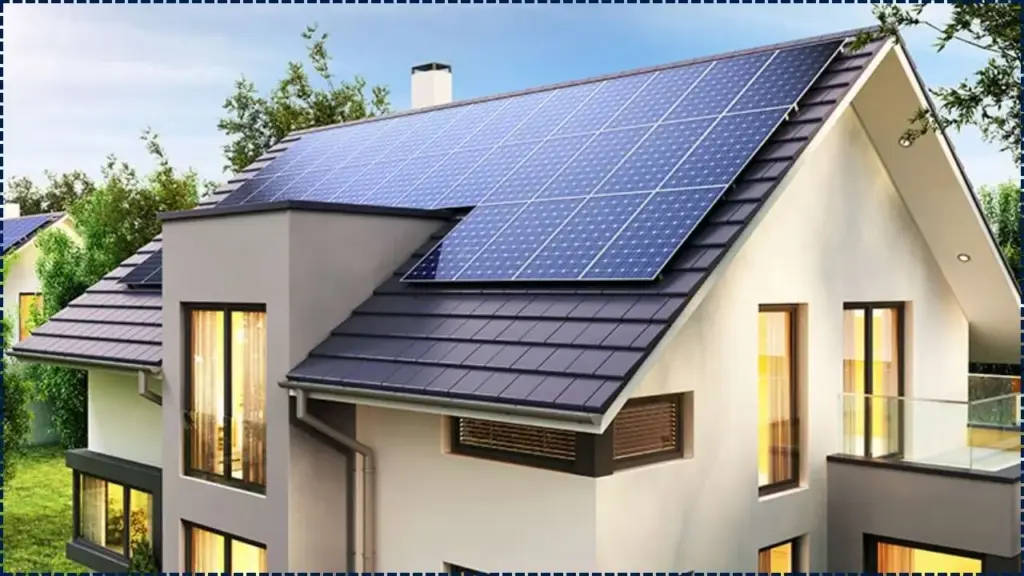
Once widely accessible at zero interest, the scheme now offers low-interest loans with stricter eligibility, prompting households to reassess its financial and environmental value.
ACT Sustainable Household Scheme
| Key Fact | Detail |
|---|---|
| Maximum loan | Up to $15,000 |
| Interest rate | ~3% (standard loans) |
| Interest-free option | Limited to concession households |
| Loan term | Up to 10 years |
| Focus shift | Electrification & storage |
Understanding the ACT Sustainable Household Scheme
The ACT Sustainable Household Scheme (SHS) was launched in 2021 to help households finance energy-efficient upgrades without upfront costs. It quickly became one of Australia’s most attractive programs by offering interest-free loans up to $15,000.
The scheme supports a broad range of technologies:
- Battery storage systems
- Electric heating and cooling
- Heat pump hot water systems
- Electric vehicles and charging infrastructure
- Insulation and efficient appliances
Officials say the program is central to the ACT’s plan to reach net-zero emissions by 2045.
Why the Scheme Matters
Household energy use remains a major contributor to emissions, particularly from gas appliances and inefficient systems. By enabling electrification, the scheme:
- Reduces carbon emissions
- Lowers household energy costs
- Supports renewable energy integration
Energy experts emphasize that financing—not technology—is often the biggest barrier. “Removing upfront costs can dramatically accelerate adoption,” said an Australian energy policy analyst.
What Changed After 2025?
Interest-Free Loans Now Limited
Since July 2025, the scheme has shifted:
- Standard applicants now pay ~3% interest
- Interest-free loans remain only for concession households
This marks a significant reduction in generosity compared to the original design.
Policy Focus Has Shifted
Solar panels are no longer a primary focus. Instead, the scheme emphasizes:
- Battery storage
- Electrification technologies
- Energy efficiency
This reflects a broader shift toward managing electricity demand rather than simply increasing generation.
How the Loan Works Today
The current structure includes:
- Loans from $2,000 to $15,000
- Repayment terms up to 10 years
- Fixed monthly repayments
- No upfront fees
Repayments typically fall between $100 and $130 per month for a full loan.
Real-World Case Study
Consider a typical Canberra household:
Scenario:
- Loan amount: $15,000
- Upgrade: Heat pump + battery system
- Interest rate: 3%
Outcome:
- Monthly repayment: ~$120
- Annual energy savings: ~$1,200
In this scenario, savings nearly offset repayments, making the upgrade financially manageable while reducing emissions. Energy advisors caution that results vary depending on energy usage and system efficiency.
Financial Analysis: Is It Still Worth It?
Cost vs Savings
At 3% interest, borrowers pay additional costs over time. However, these are relatively modest compared to market loan rates. The key factor is whether energy savings exceed loan repayments.
Return on Investment (ROI)
| Upgrade Type | Estimated ROI Timeline |
|---|---|
| Heat pumps | 5–8 years |
| Insulation | 3–6 years |
| Battery systems | 8–12 years |
Higher electricity prices can improve ROI, making upgrades more attractive.
Environmental Impact
The scheme contributes significantly to emissions reduction. A typical electrified home can:
- Reduce emissions by 30–50%
- Eliminate gas usage
- Improve energy efficiency
According to climate experts, scaling such programs is essential to meeting national targets.
Comparison With Other Programs
Compared to other regions:
- Some Australian states offer rebates rather than loans
- Federal programs provide tax incentives
- Internationally, countries like Germany offer subsidized loans
The ACT scheme stands out for:
- Accessibility
- Broad eligibility
- Integration with electrification goals
However, its reduced generosity may narrow its advantage.
ACT Sustainable Household Scheme Application Process
- Choose eligible upgrades
- Get a quote from an approved provider
- Apply through the scheme portal
- Receive approval
- Install equipment
- Begin repayments
The process is designed to be straightforward, though approval depends on eligibility and credit assessment.
Common Mistakes to Avoid
- Choosing low-impact upgrades with limited savings
- Underestimating total repayment costs
- Not checking eligibility for interest-free options
- Skipping professional advice
Experts stress the importance of planning. “A poorly chosen system can reduce both financial and environmental benefits,” said an energy consultant.
Risks and Limitations
Financial Risk
Interest adds cost, and savings are not guaranteed.
Policy Changes
Future updates could alter benefits or eligibility.
Technology Risk
Performance depends on installation quality and usage patterns.
Industry and Consumer Reaction
Industry stakeholders continue to support the scheme, though some report slower uptake following the removal of universal interest-free loans. Consumer groups emphasize the need for clearer communication, particularly around costs and eligibility.
Future Outlook
Experts expect the scheme to evolve further.
Possible developments include:
- Expanded support for low-income households
- Greater integration with smart grid systems
- Increased focus on battery and EV adoption
“The future of energy is interactive,” said a grid systems researcher. “Programs like this will increasingly connect homes directly to the grid.”
Related Links
NSW Solar Hack: How to Stack State Incentives with Federal Battery Discounts
$35,000 Solar Rebates for Farmers: How to Cut Agricultural Energy Costs in 2026
The ACT Sustainable Household Scheme has shifted from a universally generous incentive to a more targeted financing tool. While its appeal has changed, it remains a significant pathway for households to reduce emissions, manage energy costs, and participate in Australia’s transition to a cleaner energy system.
FAQs
Is the loan still interest-free?
Only for eligible concession households.
What upgrades offer the best value?
Heat pumps, insulation, and batteries typically provide strong returns.
Can I still install solar panels?
Not under the standard scheme, except in specific cases.
Is the scheme still worth it?
Yes, particularly for long-term homeowners and concession households.