
India’s solar energy sector is undergoing a technological transformation as artificial intelligence (AI) and drone-based monitoring systems improve efficiency across large-scale installations.
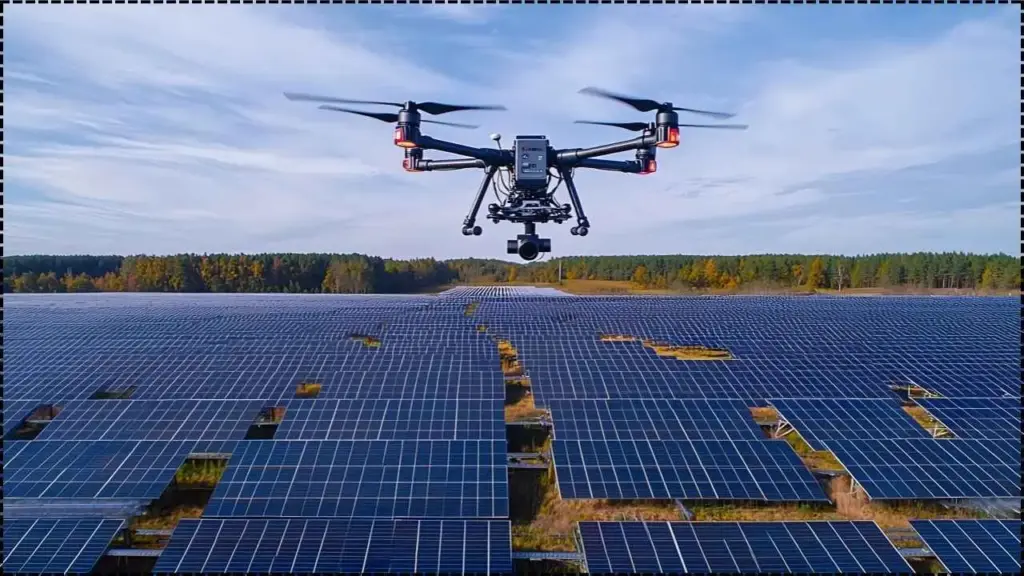
The AI & Drones in Solar trend—AI and drones in solar—is delivering measurable gains, with industry estimates indicating up to 15% improvement in solar farm performance through predictive analytics, real-time monitoring, and automated inspections.
AI and Drone Monitoring Is Transforming Solar Farm Operations
Traditional solar operations relied on manual inspections and periodic maintenance schedules. This approach often failed to detect early-stage inefficiencies, leading to energy losses and increased operational costs.
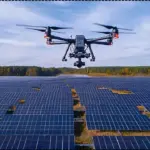
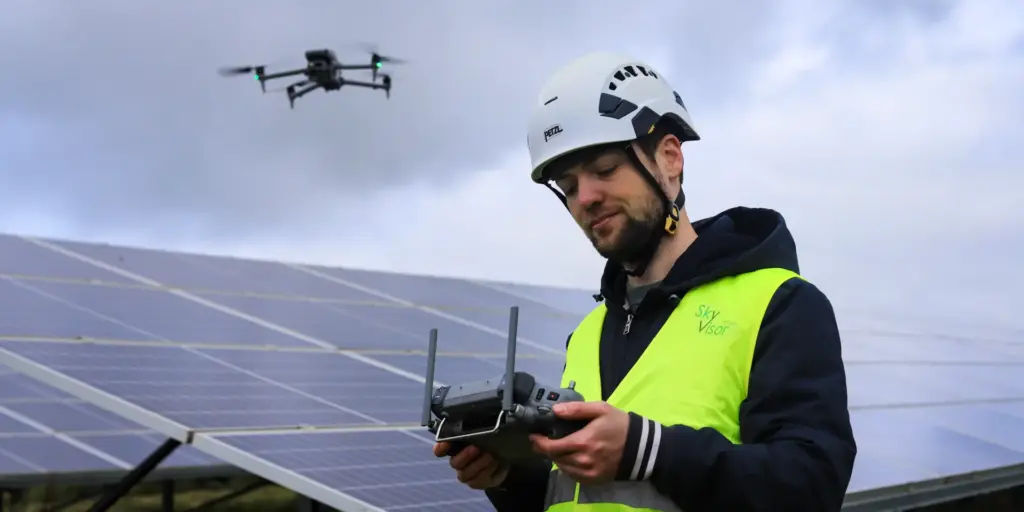
AI and drone integration is now reshaping operations. Drones collect high-resolution and thermal data, while AI systems analyse this data in real time to detect anomalies.
According to industry experts, this combination enables faster fault detection, predictive maintenance, and improved energy output. AI and drones can identify faults in real-time, enabling operators to make data-driven decisions that reduce downtime and increase energy capture.
How Drone Technology Is Enhancing Solar Monitoring
1. Rapid Large-Scale Inspections
Drones can survey vast solar farms within hours, significantly reducing inspection times.
- Identify faulty panels.
- Detect hotspots.
- Monitor shading and dust accumulation.
This reduces inspection time from days to hours, significantly improving operational efficiency. Thermal drones equipped with advanced imaging technology can identify areas of concern that human inspectors would otherwise miss.
2. Thermal Imaging and Precision Diagnostics
Drones equipped with thermal sensors can detect:
- Temperature variations.
- Electrical faults.
- Panel degradation.
This allows early intervention before performance declines, avoiding more extensive damage.
Drones are now able to cover a much larger area with precision that was not possible using traditional inspection methods, resulting in improved energy capture by identifying issues early on.
Role of Artificial Intelligence in Solar Operations
AI systems process large volumes of data collected from drones and sensors.
Core AI Capabilities
- Automated fault detection.
- Predictive maintenance.
- Performance optimisation.
- Energy forecasting.
AI-driven platforms allow solar farm operators to access real-time performance analytics, making it easier to adjust operations and plan for future energy production.
AI not only analyses data but also anticipates issues that may arise in the future. By offering a “predictive” approach, these systems reduce the likelihood of sudden equipment failures and provide actionable insights for preventive actions.
Efficiency Gains: Breaking Down the 15% Improvement
Efficiency improvements are driven by multiple factors:
Reduced Downtime
Early detection prevents prolonged outages. Drones can spot faults like overheating panels or malfunctioning components, which would otherwise require long periods to identify.
Optimised Cleaning Cycles
AI optimises cleaning schedules based on data such as dust accumulation and panel shading, reducing energy losses caused by debris buildup.
Improved Asset Management
AI-enabled tracking systems can keep a comprehensive record of the health of each panel, improving predictive maintenance.
Enhanced Energy Forecasting
By predicting future energy outputs based on weather patterns and seasonal variations, AI can improve energy production forecasting and grid integration.
Together, these factors contribute to efficiency gains of up to 15%, significantly enhancing solar farm performance.
Cost Savings and Financial Impact
AI and drones are reducing operational costs significantly.
Key Financial Benefits
- Inspection costs reduced by 30–50%.
- Maintenance costs reduced by up to 40%.
- Extended equipment lifespan by 20–30%.
These savings improve the overall return on investment (ROI) for solar developers. Smart monitoring systems are expected to enhance the operational lifespan of solar farms by enabling proactive care and maintenance, thereby increasing the overall return on capital invested.
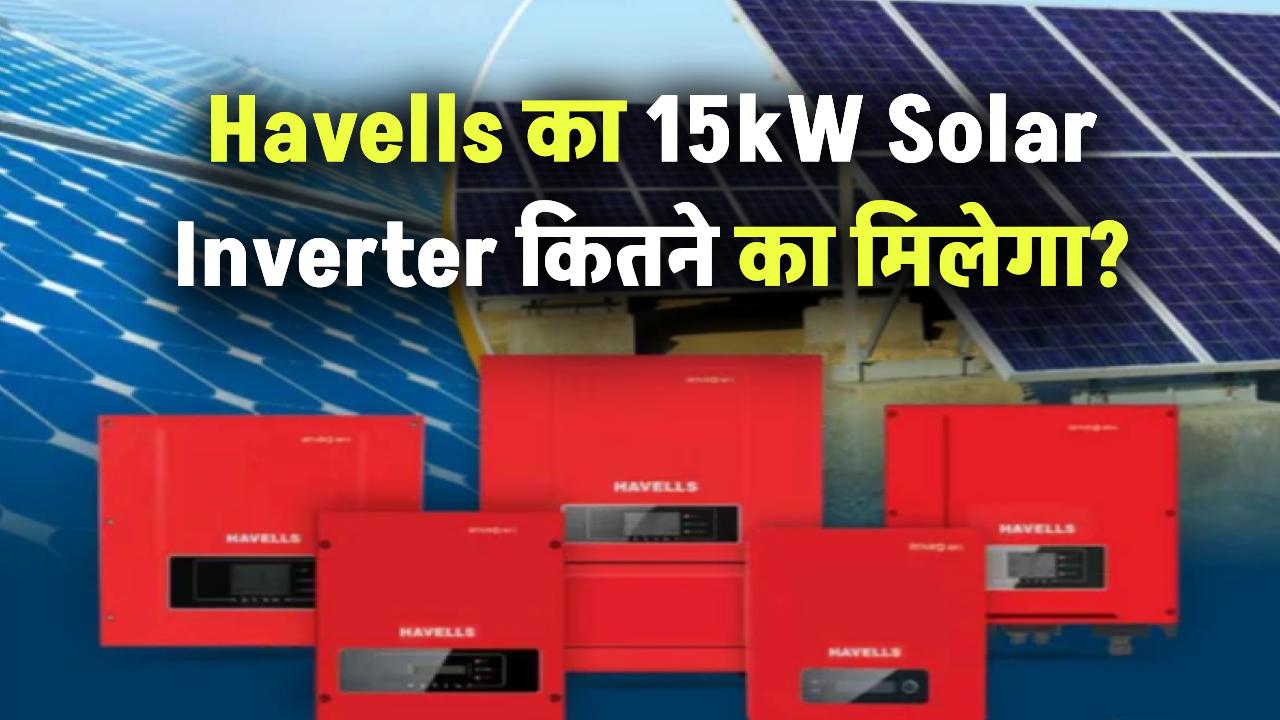
Havells का 15kW Solar Inverter कितने का मिलेगा? जानिए फीचर्स, कीमत और खरीदने से पहले की जरूरी बातें
Grid Integration and Smart Energy Management
AI-driven solar systems can integrate more effectively with power grids.
Key Advantages
- Real-time energy balancing.
- Improved load forecasting.
- Reduced grid instability.
As India expands renewable capacity, such integration becomes critical. AI models can analyse energy supply and demand and help grid operators adjust accordingly, leading to more stable and efficient grid performance.
Workforce Transformation and Skill Development
The adoption of AI and drones is changing workforce requirements.
New Skill Areas
- Drone operation.
- Data analytics.
- AI system management.
This creates opportunities for high-skilled jobs while reducing reliance on manual labour. Training workers in these emerging technologies will be crucial as India’s renewable energy industry evolves.
Startup Ecosystem and Innovation in India
India’s clean energy and drone sectors are witnessing rapid innovation.
- Startups developing AI-powered solar monitoring platforms.
- Integration with IoT and cloud computing.
- Automated cleaning drones improving efficiency.
The ecosystem is attracting investment and supporting technological advancement. Many Indian startups are leveraging drones for solar panel inspections, while others are innovating AI solutions to improve the energy output of solar farms.
Policy and Regulatory Support
Government initiatives are supporting adoption:
- Liberalised drone regulations.
- Incentives for renewable energy.
- Support for digital infrastructure.
These policies are enabling faster deployment of advanced technologies. The Indian government has taken active steps to streamline drone regulations, helping make them more accessible for industrial applications.
Cybersecurity and Data Protection Risks
Digitalisation introduces new risks.
Key Concerns
- Data breaches.
- System vulnerabilities.
- Operational disruptions.
As solar farms go digital, securing data and systems becomes a top priority. Industry experts urge the creation of strong cybersecurity frameworks to ensure the protection of sensitive operational data.
Challenges in Implementation
Despite benefits, challenges remain:
1. High Initial Investment
AI systems and drones require significant upfront capital.
2. Integration Complexity
Combining multiple data sources can be difficult. Achieving seamless integration between drone data, AI, and other solar farm management systems is an ongoing challenge.
3. Regulatory Compliance
Drone operations must follow aviation guidelines and regulatory processes, which can delay deployment.
Macroeconomic Impact: Why This Model Matters
The hybrid approach of AI and drones aligns with broader national goals:
- Reduced dependency on fossil fuels.
- Enhanced energy independence.
- Lower carbon emissions.
By streamlining operations, reducing operational costs, and improving efficiency, these technologies directly contribute to India’s energy security and sustainability goals.
Real-World Financial Scenario
Example: 3 kW System
- Total cost: ₹1.8 lakh.
- Subsidy: ₹78,000.
- Loan: ₹1 lakh.
Outcome
- EMI: ~₹2,500/month.
- Savings: ~₹3,000/month.
- Net gain from early years.
This demonstrates the effectiveness of combining subsidy and financing.
Consumer Awareness and Adoption Barriers
Despite financial advantages, challenges remain:
- Lack of awareness about subsidy schemes.
- Confusion over loan options.
- Complexity in application process.
Experts say digital platforms and simplified processes are improving accessibility. Awareness campaigns will play a critical role in accelerating adoption.
Global Comparison: How India’s Model Stands Out
India’s approach is gaining attention globally.
- Combines subsidy and financing.
- Low-cost solutions for large-scale solar adoption.
- Aligns with national renewable energy targets.
Countries in Southeast Asia and Africa are studying similar models, recognising India’s potential to drive large-scale solar adoption through this hybrid approach.
Future Outlook: Solar Financing in India
Experts expect:
- Expansion of collateral-free loan products.
- Faster digital approvals.
- Increased competition among lenders.
- Integration with fintech platforms.
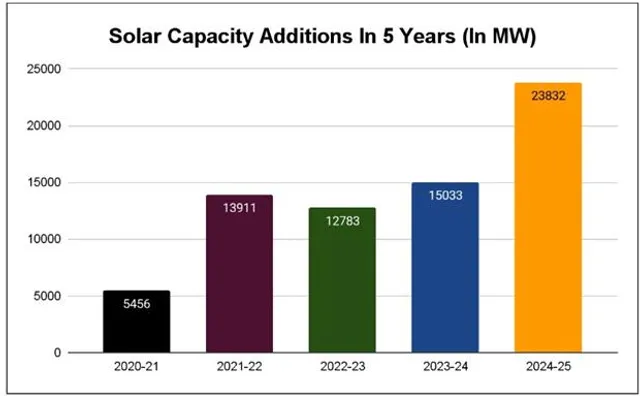
India’s rooftop solar market is projected to grow rapidly over the next decade. As technology continues to evolve, AI and drones will play an increasingly pivotal role in India’s renewable energy transition.
Risks and Limitations (Balanced View)
Key Risks
- Policy changes affecting subsidy levels.
- Loan interest fluctuations.
- Vendor reliability issues.
Mitigation
- Careful financial planning.
- Financial modelling.
- Choosing trusted partners.
By staying ahead of technological and policy changes, businesses and homeowners can mitigate these risks.
Related Links
Solar Waste Management: Are You Ready for India’s New Mandatory Panel Recycling Laws?
From Application to Subsidy: Decoding the New National Portal Dashboard for 2026
Context and Source Reference
The subsidy structure, financing models, cost analysis, and policy insights presented in this article are based on the detailed source material provided.
In 2026, the combination of AI and drones in solar farm operations is setting a new standard for performance. With improvements in efficiency, maintenance, and grid integration, these technologies are making solar energy not only more sustainable but also more affordable.
As India’s renewable energy landscape evolves, the adoption of intelligent solar systems will be essential in meeting the country’s ambitious clean energy goals. The future of solar operations in India will be driven by data, automation, and smarter technologies.