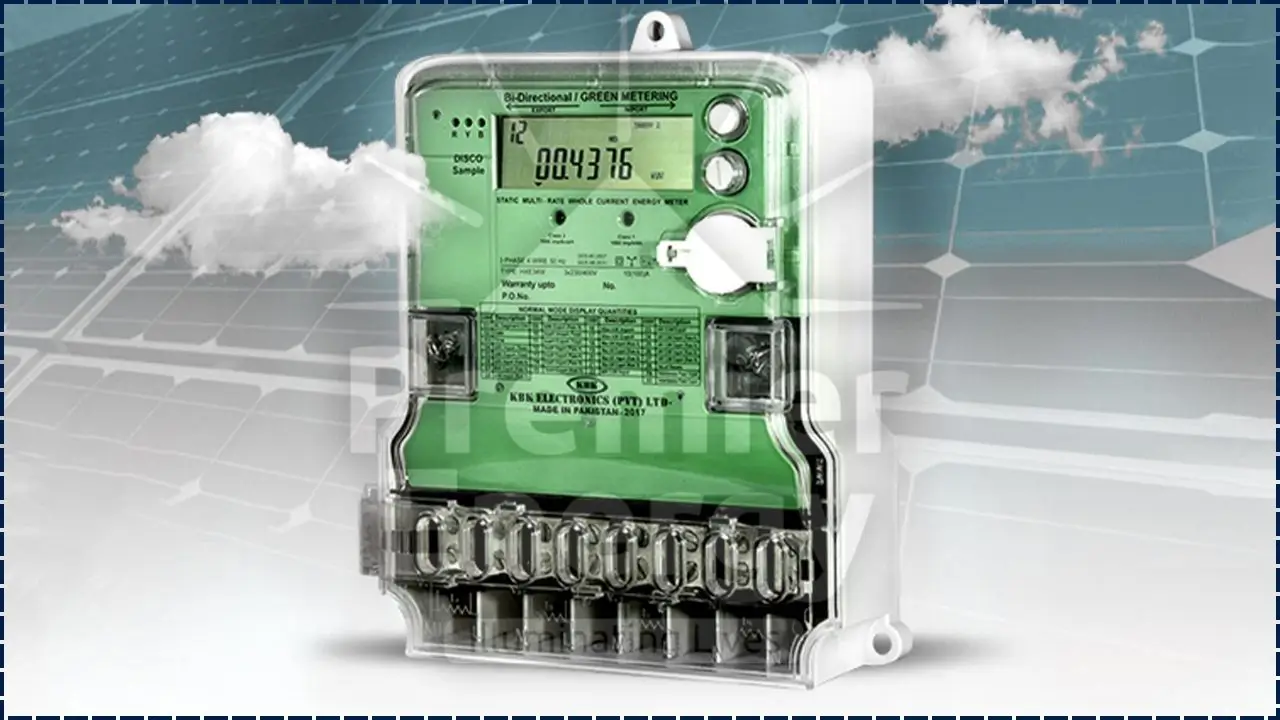
Algae-based bio-panels, which use photosynthetic organisms embedded in walls or windows to generate electricity, are emerging as a potential energy solution for homes. These panels could capture sunlight, convert it into usable energy, and even absorb carbon dioxide.
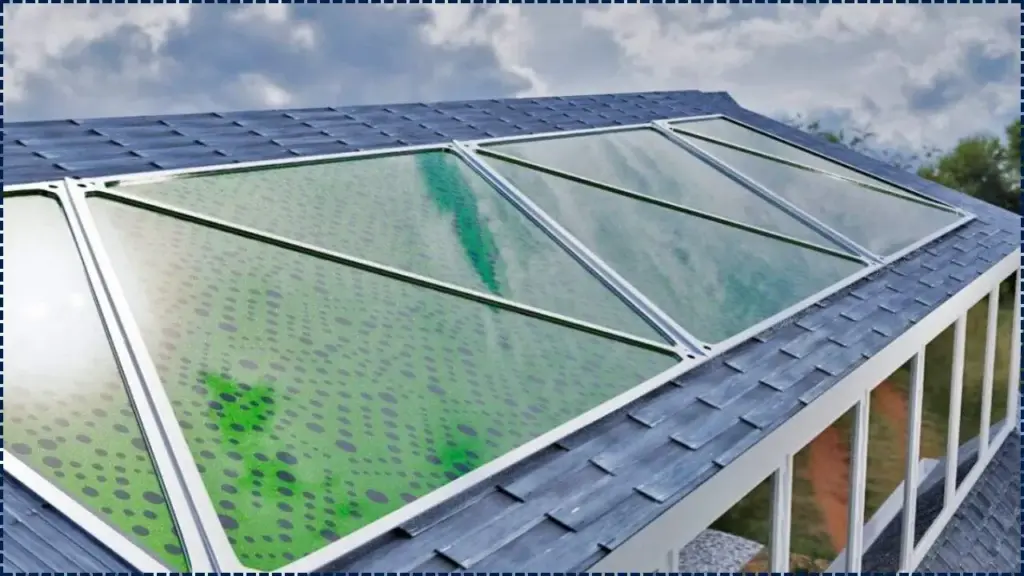
Early prototypes demonstrate promise, but widespread implementation faces significant challenges related to efficiency, scalability, and cost.
What Are Algae Bio-Panels?
A New Form of Renewable Energy
Algae bio-panels are living energy systems that integrate microalgae or other photosynthetic organisms into building materials like walls, windows, or façades. The algae inside these panels photosynthesize, absorbing sunlight and producing electrical energy through biological processes.
Unlike conventional solar panels, which rely on photovoltaic cells made from semiconductors, algae panels harness the power of living organisms to generate electricity.
The algae absorb light and carbon dioxide, releasing oxygen and organic compounds. During photosynthesis, electrons are produced, which can be captured by electrodes embedded in the panel structure to create an electrical current.
This technology falls under the umbrella of biophotovoltaics (BPV), a field of research exploring how biological systems, such as algae, can contribute to energy generation.
According to the Department of Energy (DOE), BPV systems are in the early stages of development, with promising research indicating potential for scalable energy solutions.
How Do Algae Bio-Panels Work?
The Biological Process of Energy Generation
Algae bio-panels function by exploiting the natural process of photosynthesis. During this process, algae use sunlight, water, and carbon dioxide to create oxygen and glucose (sugar).
In the algae bio-panels, special electrodes are placed within or around the algae, allowing the electrons produced during photosynthesis to flow through the panel, generating an electrical current.
The panels typically consist of:
- Photobioreactor enclosures: Transparent tubes or containers filled with algae cultures.
- Algae cultures: Microalgae or filamentous algae that photosynthesize and produce electrical energy.
- Electrodes: Conductive materials that collect and transfer the energy generated during photosynthesis.
Researchers have demonstrated small-scale prototypes where algae-powered bio-panels have successfully generated low levels of electricity.
While these panels don’t yet rival traditional solar panels in efficiency, the advantage is their dual function: not only can they generate electricity, but they can also reduce carbon dioxide in urban environments and provide cooling or heating effects through the absorption of sunlight.
Early Real-World Applications: Pioneering Projects
SolarLeaf at Biq House, Hamburg, Germany
One of the most well-known applications of algae bio-panels is SolarLeaf, installed on the Biq House in Hamburg, Germany. This project showcases the integration of algae-filled bioreactor panels into a building’s exterior. The panels are designed to harvest sunlight, produce biomass, and provide heating for the building.
The bioreactors at Biq House are not just decorative; they are functional, helping the building generate approximately one-third of its thermal energy needs. The heat from the algae growth is transferred into the building’s heating system, reducing reliance on external sources. The panels also act as a natural shade, reducing solar heat gain.
The Arup Group, which worked on the design, highlighted the dual-functionality of these bio-panels. They serve as energy generators, while also contributing to a reduction in carbon emissions by absorbing carbon dioxide and releasing oxygen.
Potential Benefits: Energy, Environment, and Beyond
1. Energy Generation
While algae bio-panels produce less electricity compared to traditional solar panels, they offer a promising supplementary power source. The energy produced can be used for small-scale applications, such as lighting, electronic devices, or building systems.
2. Heat Capture and Building Efficiency
The process of photosynthesis in algae generates heat, which can be harvested for building energy needs. This heat can be used to regulate indoor temperatures, reducing the reliance on traditional heating methods.

3. Carbon Dioxide Absorption
Algae naturally absorb carbon dioxide during photosynthesis, making algae bio-panels particularly valuable in urban environments. This ability could help mitigate some of the harmful emissions from buildings and reduce the overall carbon footprint.
4. Biomass Production
The algae used in these bio-panels can also be harvested to produce biomass, which can be converted into biofuels or other useful materials. The algae can be processed into organic waste, which can be used as compost or biofuel.
Current Research and Developments
Advances in Algae Bio-Photovoltaic Technology
Recent studies have made significant progress in improving the efficiency of algae-based energy systems. Researchers at Amrita Vishwa Vidyapeetham University in India developed a bio-photovoltaic cell using freshwater algae that showed promising results in generating small currents and voltages.
This technology has the potential to be scaled up for use in building facades, contributing to sustainable energy practices in urban areas.
Similarly, teams at Stanford University have been experimenting with bio-hybrid solar cells, where algae cells are combined with synthetic materials to create a hybrid system capable of higher efficiency.
At the University of Cambridge, researchers have shown that algae bio-panels can be reliably used to power small microprocessors, a breakthrough for powering low-energy devices in remote locations or urban infrastructure.
Challenges to Widespread Adoption
1. Energy Efficiency
Despite the potential of algae bio-panels, their current energy efficiency is still limited. While they can generate electricity, the amount produced is significantly lower than traditional solar photovoltaic panels.
To make them competitive, significant advancements in algae cultivation techniques, panel design, and energy capture systems will be necessary.
2. Scalability and Maintenance
Scaling up algae bio-panels for larger buildings or entire neighborhoods presents technical challenges. Maintaining living organisms at large scales requires careful monitoring and management of algae cultures, ensuring they remain healthy and productive.
The need for constant care, including nutrient management and algae harvesting, may present additional challenges in long-term maintenance.
3. Climate and Environmental Factors
Algae bio-panels rely on sunlight for photosynthesis, meaning their effectiveness varies with climate conditions. In areas with limited sunlight, such as northern regions with long winters, the panels may not generate enough energy.
Additionally, fluctuations in temperature, humidity, and other environmental factors can affect algae growth and performance.
4. Cost and Commercialization
While the concept of algae bio-panels is appealing, the cost of producing these panels on a large scale remains high. Materials, engineering, and cultivation of algae require significant investment.
Moreover, the technology is still in its infancy, which means further research and development are needed to lower production costs.

The Future of Algae Bio-Panels: A Promising Outlook
Will Algae Bio-Panels Become a Staple in Sustainable Buildings?
While widespread adoption of algae bio-panels is not imminent, the technology shows promise as part of the broader trend toward biophilic architecture and green building designs. As cities strive to meet sustainability targets and reduce their carbon footprints, algae bio-panels could become a unique addition to the renewable energy landscape.
Future applications may include their integration into smart cities, where algae bio-panels can serve as part of integrated environmental control systems, providing not only electricity but also regulating indoor air quality, temperature, and even providing food sources through algae cultivation.
The next decade will likely see further prototypes and smaller-scale implementations. Research is expected to continue focusing on improving panel efficiency, enhancing algae growth rates, and reducing maintenance complexity.
The Role of Government and Industry
Governments around the world are incentivizing the development of renewable energy technologies. As part of the global push toward carbon-neutral economies, funding for research into biophotovoltaic technologies like algae bio-panels is expected to increase.
This funding, along with collaborations between academia, industry, and government, could accelerate the commercialization of algae-based systems.
FAQs
What is an algae bio-panel?
An algae bio-panel is a building panel integrated with living algae that generate electricity through photosynthesis, absorb CO₂, and provide heating.
How do algae bio-panels generate electricity?
The algae undergo photosynthesis, releasing electrons that are captured by electrodes embedded in the panel, creating a small electrical current.
Can algae bio-panels replace traditional solar panels?
Currently, algae bio-panels produce less electricity than solar panels. They are likely to be used as a supplementary energy source rather than a primary one.
What are the environmental benefits of algae bio-panels?
In addition to generating energy, algae bio-panels absorb CO₂ and provide natural shading and cooling, helping to reduce a building’s overall carbon footprint.