
Australia’s leadership in rooftop solar adoption has created a new challenge: managing the growing volume of end-of-life panels.
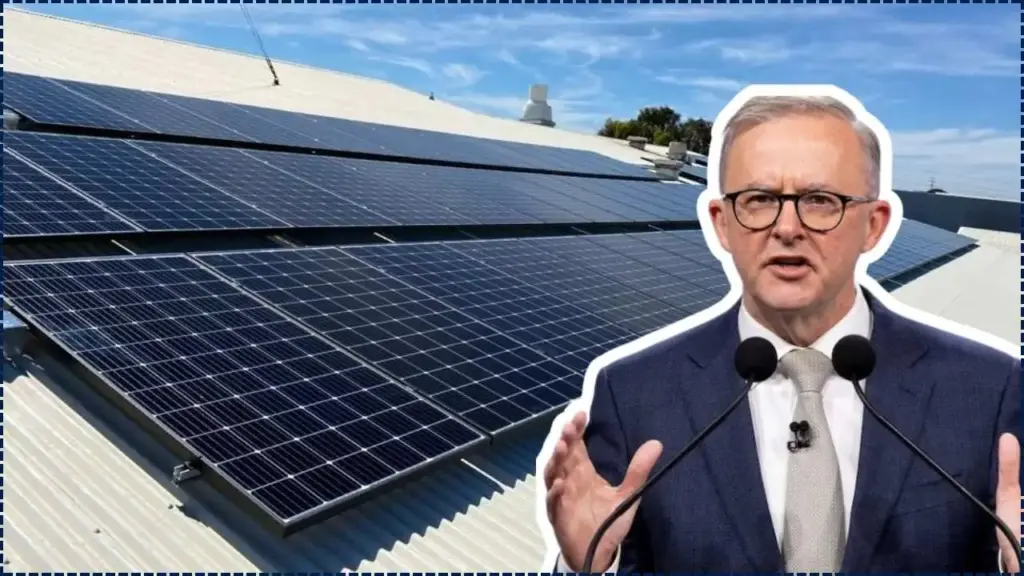
In response, policymakers are developing a national recycling mandate that could introduce disposal fees for households, reshaping the long-term economics of solar energy and raising questions about who should bear the cost.
Australia’s New Solar Recycling
| Key Issue | Detail | Context |
|---|---|---|
| Waste Volume | Up to 1 million tonnes by 2035 | Rapid solar adoption |
| Recycling Rate | ~17% currently recycled | Infrastructure gap |
| Disposal Cost | $20–$40 per panel | Likely consumer impact |
| Policy Model | Product stewardship scheme | Shared responsibility |
Australia’s solar recycling mandate represents a critical step in addressing the environmental impact of renewable energy technologies.
While disposal fees may introduce new costs for homeowners, they also support the development of a sustainable recycling system, ensuring that solar energy remains a responsible and long-term solution in the transition to a low-carbon future.
Australia’s Solar Success Creates a Waste Challenge
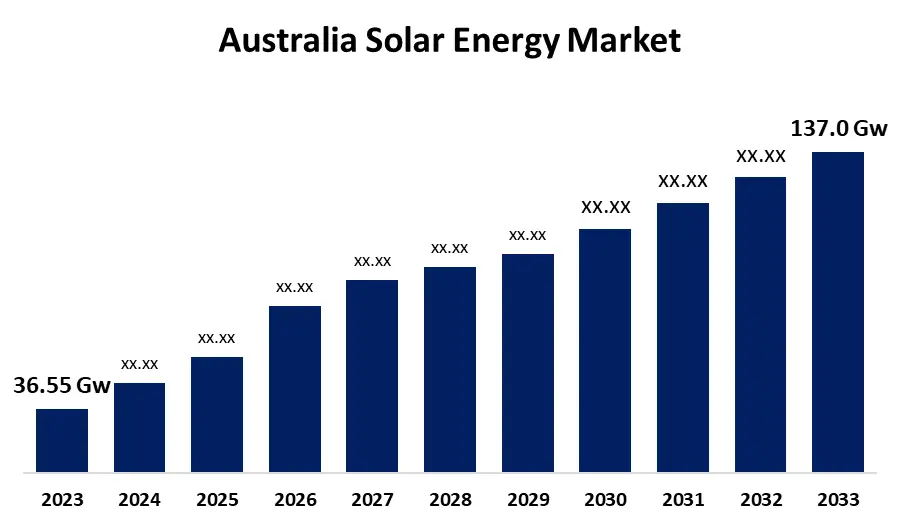
Australia has one of the highest rates of rooftop solar adoption globally, with millions of installations across residential and commercial properties.
However, early systems installed during the 2010s are now reaching the end of their operational life, creating a growing waste stream. Forecasts suggest that by 2035, discarded panels could total nearly one million tonnes, posing environmental and logistical challenges.
Without a structured recycling system, many panels risk ending up in landfills, undermining the environmental benefits of solar energy.
Understanding Australia’s New Solar Recycling Mandate
The proposed mandate centers on a national product stewardship scheme, which would require all stakeholders in the solar supply chain to share responsibility for end-of-life panel management.
Key Components of the Policy
- Nationwide collection and recycling infrastructure
- Shared financial responsibility among manufacturers, importers, and consumers
- Regulatory oversight to ensure compliance
- Incentives for recycling industry development
The government has already launched pilot programs to test logistics and cost structures, which will inform a future mandatory scheme.
What Is Product Stewardship and Why It Matters
Product stewardship shifts responsibility for waste management from local governments to the entire supply chain. Under this model:
- Manufacturers may contribute to recycling funds
- Installers may handle collection logistics
- Consumers may pay fees either upfront or at disposal
This approach aims to ensure that products are managed responsibly throughout their lifecycle.
How Much Will Solar Panel Disposal Cost?
Current Cost Structure
Recycling solar panels is significantly more expensive than landfill disposal.
- Typical recycling cost: $20–$40 per panel
- Transportation costs: significant, especially in rural areas
- Processing costs: driven by complex material separation
Future Fee Models
Several pricing models are under consideration:
- Upfront Fee Model: A small recycling fee included in the purchase price
- End-of-Life Fee Model: Homeowners pay when panels are removed
- Hybrid Model: Costs distributed across lifecycle stages
Experts expect the final system to balance affordability with sustainability.
Why Solar Panels Are Difficult to Recycle
Solar panels are designed for durability, making them challenging to dismantle. They consist of:
- Tempered glass layers
- Aluminium frames
- Silicon cells
- Encapsulated materials
Although up to 95% of materials can be recovered, the process requires specialized equipment and labor-intensive separation techniques.
It’s great to see the Albanese govt putting more effort and funding into recycling solar panels, in an effort that – according to the Productivity Commission – could save us billions, increase the uptake of solar, and help us reuse silver, copper, and aluminium.
— Dr Monique Ryan MP (@Mon4Kooyong) January 17, 2026
Also great to…
Who Pays? Stakeholder Impact Analysis
Homeowners
Consumers may face:
- Increased upfront system costs
- Disposal fees at end-of-life
- Greater awareness of lifecycle costs
Manufacturers and Importers
Producers may be required to:
- Fund recycling programs
- Design more recyclable products
- Comply with new regulatory standards
Installers and Service Providers
Installers may need to:
- Manage panel collection
- Coordinate with recycling facilities
- Adjust pricing structures
Insurance, Property Value, and Financial Implications
The recycling mandate could influence:
- Home insurance policies: potential coverage for panel disposal
- Property values: homes with compliant systems may be more attractive
- Financing models: lenders may consider lifecycle costs
These factors could reshape how solar investments are evaluated.
Illegal Dumping Risks and Enforcement Challenges
One concern is the potential for illegal dumping if disposal costs are perceived as too high. Authorities may need to implement:
- Strict enforcement measures
- Penalties for non-compliance
- Public awareness campaigns
Ensuring affordable and accessible recycling options will be critical to preventing such outcomes.
Infrastructure Gap: The Biggest Barrier
Australia currently lacks sufficient recycling infrastructure to handle future waste volumes. Challenges include:
- Limited number of specialized facilities
- High transport costs
- Geographic dispersion of solar installations
Expanding infrastructure will be essential for policy success.
Innovation and Technology: A Path to Lower Costs
Technological advancements may reduce recycling costs over time. Emerging innovations include:
- Automated panel disassembly systems
- Improved material recovery techniques
- Design changes for easier recycling
Industry experts expect these developments to improve efficiency and reduce long-term costs.
Global Context: How Australia Compares
Australia is not alone in facing this challenge.
- Europe mandates recycling under electronic waste laws
- The United States is developing state-level programs
- Asia is investing in advanced recycling technologies
Australia’s approach reflects a global shift toward lifecycle responsibility.
Future Outlook: What Comes Next
Experts anticipate several developments:
- Nationwide rollout of recycling mandate
- Expansion of collection networks
- Decreasing costs through economies of scale
- Greater involvement from manufacturers
Over time, recycling is expected to become a standard component of solar system economics.
Technological and Economic Trends to Watch
The combination of technological progress and regulatory pressure is likely to drive several key changes:
- Panel Design Improvements: Manufacturers may be incentivized to design panels that are easier to recycle, reducing disposal costs.
- Cost Reduction Through Innovation: As the recycling industry expands, new technologies could lower the cost of material recovery.
- Consumer Incentives for Proper Disposal: Expect governments to introduce rebates or other financial incentives to encourage proper panel recycling, offsetting disposal costs for homeowners.
Related Links
ACT Sustainable Household Scheme: Is the $15,000 Interest-Free Loan Still Worth It?
BC Hydro’s $10,000 Reward: Everything About the 2026 Solar & Battery Rebates
What Homeowners Should Do Now
Consumers can prepare by:
- Asking installers about recycling plans
- Understanding lifecycle costs
- Choosing high-quality systems with longer lifespans
- Staying informed about policy changes
These steps can help manage future financial and environmental responsibilities.
FAQs
Will I have to pay to recycle solar panels?
Yes, most likely through upfront or end-of-life fees under the new mandate.
Why is recycling necessary?
Panels contain valuable and sometimes hazardous materials that should not go to landfill.
Will recycling costs decrease?
Costs are expected to decline as infrastructure and technology improve.
Is the mandate already active?
Pilot programs are underway, with national implementation expected in the future.