
As electricity costs rise and urban housing constraints persist, renters are increasingly exploring compact solar solutions. The Balcony Solar for Renters trend—balcony solar systems designed for apartments—allows users to generate electricity without owning a rooftop.
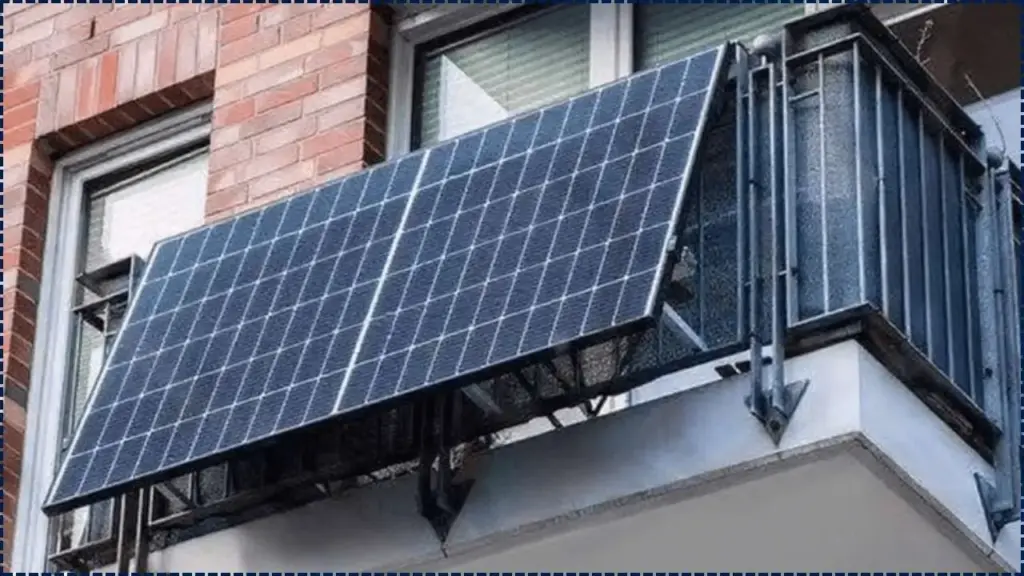
These plug-in systems are gaining traction in 2026 as a flexible, low-cost entry into renewable energy.
Balcony Solar for Renters
| Key Fact | Detail / Statistic |
|---|---|
| Typical system size | 400W–800W balcony solar kits |
| Estimated cost range | ₹25,000–₹70,000 in India |
| Energy offset | 5–15% of household consumption |
| Installation time | Often under 1 hour |
The Balcony Solar for Renters trend represents a significant shift toward accessible renewable energy solutions for renters. While these systems cannot fully replace traditional electricity sources, they offer a practical way to reduce costs and environmental impact.
As adoption increases and technology advances, balcony solar is expected to become a mainstream feature of urban living.
What Is Balcony Solar for Renters and How It Works
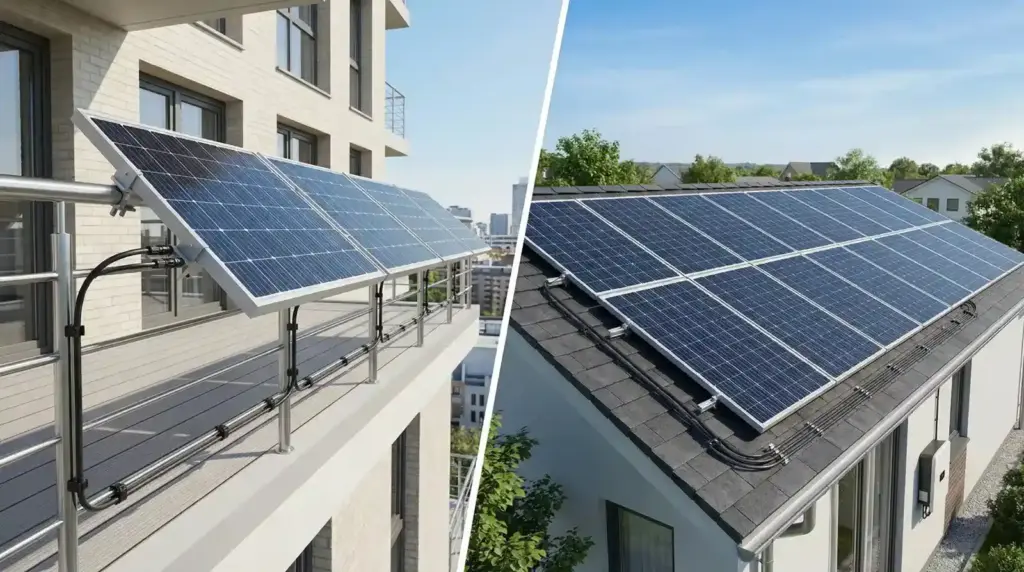
The Balcony Solar for Renters refers to compact photovoltaic systems designed for balconies or terraces. These systems consist of solar panels, a microinverter, and a plug connection that feeds electricity into the home.
Unlike traditional rooftop installations, balcony systems are:
- Portable
- Non-invasive
- Easy to install
Electricity generated is used instantly within the household, reducing reliance on grid power.
Why Renters Are Driving Demand
Limited Access to Rooftops
In urban areas, most renters do not have permission or access to rooftops, making traditional solar installations impractical.
Rising Energy Costs
Electricity tariffs continue to increase in many regions, prompting households to seek ways to reduce monthly bills.
Flexibility and Portability
Balcony solar systems can be relocated when tenants move, making them a practical investment for renters. Energy consultant Ananya Gupta said, “This is one of the first solar solutions truly designed for renters, not homeowners.”
Real-World Case Study: Urban Adoption
In cities like Bengaluru and Mumbai, early adopters are experimenting with balcony solar systems. A software professional in Bengaluru reported reducing monthly electricity bills by nearly 10% using a 600W balcony system. While savings vary, such examples highlight practical use cases in Indian urban environments.
Installation and Practical Setup
Basic Installation Steps
- Evaluate sunlight exposure
- Select system capacity
- Mount panels securely
- Connect inverter
- Plug into power outlet
Most systems are designed for simple installation and require minimal tools.
Ideal Placement
- South-facing balconies offer maximum efficiency.
- Avoid shaded areas.
- Ensure stable mounting for safety.
Cost vs Savings: A Detailed Breakdown
Initial Investment
- ₹25,000 to ₹70,000 depending on system size.
Monthly Savings
- ₹300 to ₹1,500 depending on usage
Payback Period
- Approximately 2 to 5 years.
Comparison With Grid Electricity
| Factor | Balcony Solar | Grid Electricity |
|---|---|---|
| Upfront Cost | High | None |
| Monthly Cost | Low | Recurring |
| Reliability | Sun-dependent | Consistent |
This comparison shows that balcony solar complements rather than replaces grid supply.
Landlord and Housing Society Perspectives
One of the emerging challenges is approval from landlords and housing societies.
Common Concerns:
- Structural safety.
- Visual appearance.
- Electrical safety.
However, since balcony solar systems are non-permanent, many housing societies are gradually becoming more accepting.
Safety and Technical Risks
Experts warn that improper installation can lead to:
- Electrical faults.
- Fire hazards.
- Circuit overload.
Certified equipment and proper installation practices are essential.
Modern systems include:
- Anti-islanding protection.
- Surge protection.
- Smart monitoring.
Maintenance and Lifespan
Balcony solar systems require minimal maintenance:
- Clean panels every few weeks.
- Inspect wiring periodically.
- Monitor performance.
Solar panels typically last 20–25 years, making them a durable investment.
Battery Storage: Optional but Growing
Battery storage allows users to store excess energy for later use.
Benefits:
- Power at night.
- Greater energy independence.
Limitations:
- Higher cost.
- Additional installation complexity.
Myths vs Reality
Myth 1: Balcony solar can power an entire home
Reality: It only supplements energy needs.
Myth 2: Installation is complicated
Reality: Most systems are plug-and-play.
Myth 3: Only homeowners can use solar
Reality: Balcony systems are specifically designed for renters.
Global Trends and Policy Developments
Countries such as Germany have simplified regulations for balcony solar, allowing plug-in systems without complex approvals.
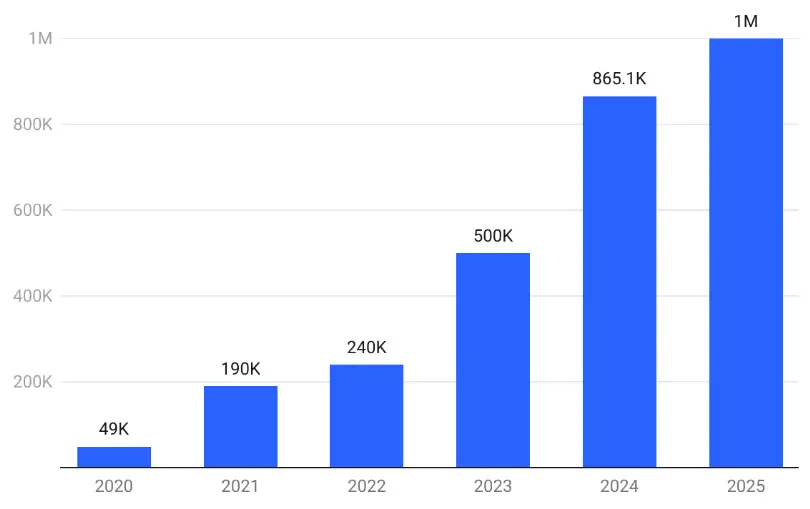
These changes have led to widespread adoption, with hundreds of thousands of installations already in use. India is at an earlier stage, but similar adoption patterns are expected as awareness grows.
Product Ecosystem and Market Growth
The balcony solar market is expanding rapidly, with new players offering:
- Modular kits
- Smart monitoring apps
- Portable designs
This growing ecosystem is making solar energy more accessible to urban populations.
Environmental Impact
Even small systems contribute to:
- Reduced carbon emissions.
- Lower fossil fuel dependence.
- Increased renewable adoption.
At scale, balcony solar could play a meaningful role in urban sustainability.
Related Links
Installation Rush: Why Your Solar Contract Date Doesn’t Protect You from the May 1st Rebate Drop
How to Apply for the $40,000 Federal Solar Loan Before Funding Runs Out. Step-by-Step
Future Outlook
Experts predict that balcony solar systems will become increasingly common as:
- Costs decline.
- Technology improves.
- Regulations evolve.
The idea of “plug-and-play energy” is gaining acceptance globally. An industry analyst noted, “Balcony solar could become a standard feature in urban apartments within the next decade.”
FAQs
Is balcony solar worth it for renters?
Yes, if there is adequate sunlight and the user plans to stay long enough to recover the initial cost.
Can I take the system when I move?
Yes, most systems are portable and designed for relocation.
Do I need permission?
Usually yes, from landlords or housing societies.
How much space is required?
Typically 3–6 square feet per panel.