
Battery storage incentives are revolutionizing the way homeowners maximize their solar energy investments. By pairing solar panels with home battery systems, individuals can store excess energy for later use, potentially saving on their electricity bills and increasing energy independence.
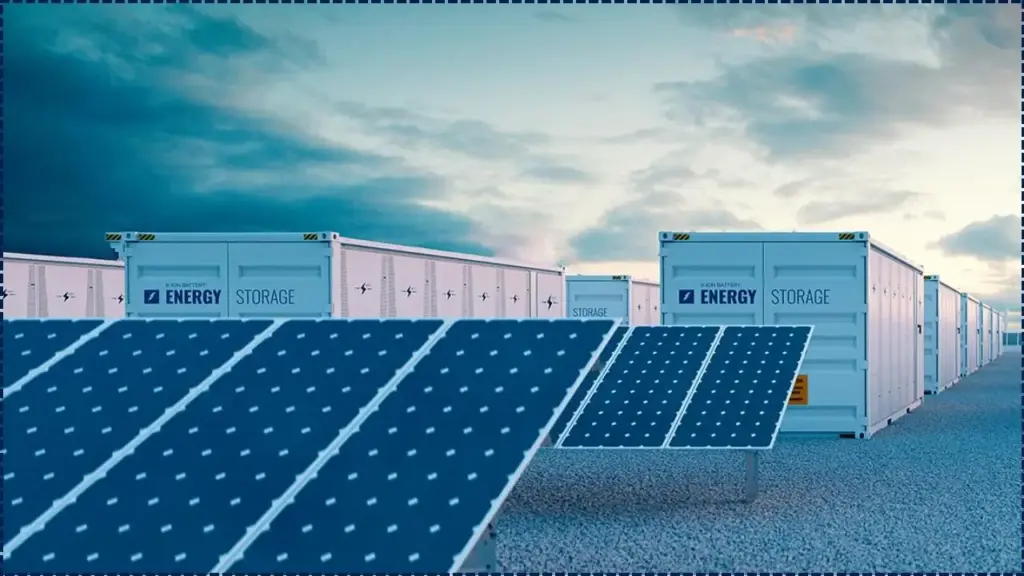
These incentives, including federal tax credits, state rebates, and utility programs, are making it more financially viable for homeowners to adopt solar energy with integrated storage solutions.
Battery Storage Incentives
| Key Fact | Detail |
|---|---|
| Federal incentive | The 30% federal tax credit covers home battery system costs |
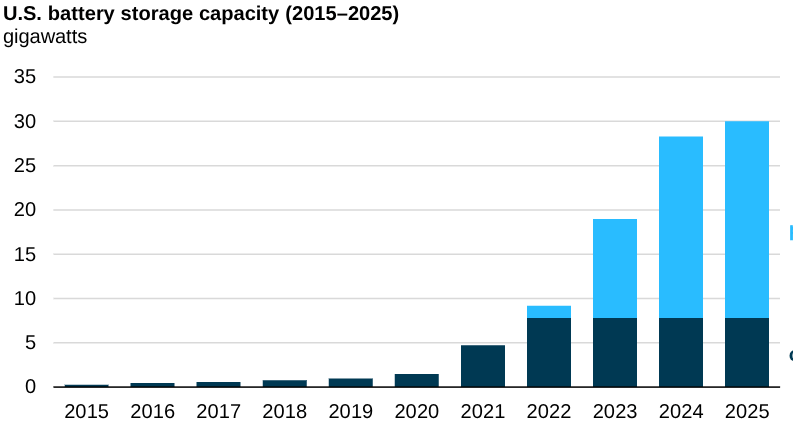
| Market growth | U.S. home energy storage deployments increased 40% in 2024 |
| Savings potential | Homeowners can save 20-40% on electricity costs by pairing solar with batteries |
| Global incentives | Countries like Germany and Australia also offer incentives for battery storage |
What Are Battery Storage Incentives?
Battery storage incentives are designed to encourage homeowners to install energy storage systems alongside solar panels. These systems allow solar energy generated during the day to be stored for later use, such as during the night or during peak demand hours when electricity rates are higher.
Energy storage is becoming an essential component of a clean, resilient, and reliable energy grid. Home battery systems help homeowners maximize their solar energy by allowing them to use stored power when the sun isn’t shining or when the grid is down.
Incentive programs at both federal and state levels have made solar-plus-storage solutions more affordable for homeowners. Federal tax credits, state rebates, and utility demand-response programs all contribute to reducing installation costs, making home energy storage more accessible.
Federal Incentives for Battery Storage Systems
One of the biggest incentives for home battery systems is the Investment Tax Credit (ITC). The 30% federal tax credit applies to the installation of both solar panels and battery storage systems, reducing the upfront cost of solar-plus-storage setups.
In 2023, the U.S. Department of Energy clarified that standalone battery systems (i.e., batteries installed without solar panels) also qualify for this tax credit, provided the system has a capacity of at least 3 kilowatt-hours (kWh).
This was a significant policy change that spurred increased demand for standalone battery installations, especially for homes that already have solar panels.
State and Utility Programs for Battery Storage
In addition to the federal tax credit, many states offer additional incentives, rebates, or financing options for homeowners who install energy storage systems. These programs help lower the cost of installation and improve the return on investment.
California’s Self-Generation Incentive Program (SGIP)
California’s Self-Generation Incentive Program (SGIP) has provided rebates for energy storage systems since 2001. Homeowners can receive up to $1,000 per installed kilowatt-hour (kWh) of storage capacity, depending on the system’s size and the customer’s income.
Other states, such as New York, Massachusetts, and Hawaii, also offer varying levels of rebates and incentives for home battery systems.
Utility-Backed Programs
Some utilities offer financial incentives for homeowners who install battery systems as part of demand response programs. In these programs, homeowners allow their batteries to discharge during periods of high demand, helping to stabilize the grid. In return, they receive payments or credits toward their utility bills.
How Battery Storage Works with Solar Panels
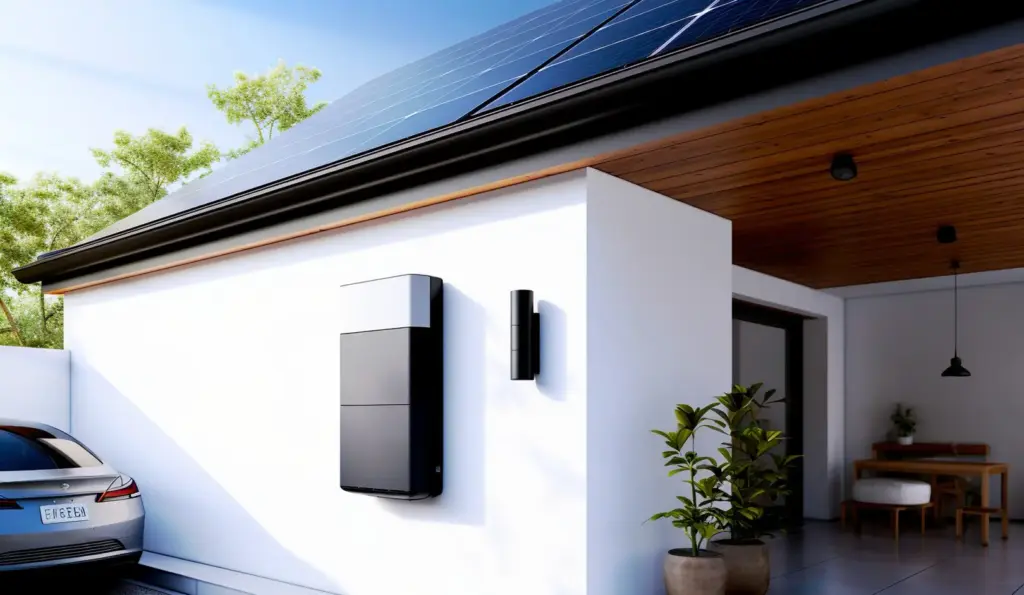
Pairing solar panels with battery storage provides several benefits for homeowners. A typical solar battery system works as follows:
- Energy generation: During the day, solar panels capture sunlight and convert it into electricity.
- Energy storage: Excess energy produced during peak sunlight hours is stored in the battery system.
- Energy use: At night or during power outages, stored energy is used to power the home.
- Backup power: In the event of a grid failure, the battery can supply backup power for essential appliances.
According to the U.S. Department of Energy, this pairing reduces the homeowner’s reliance on the grid, lowering both electricity bills and the risk of power outages.
गांव या शहर के घरों में कितनी बिजली की खपत होती है? जानिए उसके हिसाब से सोलर सिस्टम कैसा होना चाहिए
Financial Analysis: Savings and Return on Investment (ROI)
Adding a battery to a solar system can be a substantial financial decision. While the upfront cost can be significant, the long-term savings make it a worthwhile investment for many homeowners.
A typical home battery system can cost anywhere from $5,000 to $15,000, depending on the capacity and brand. When paired with solar panels, homeowners can expect the battery system to pay for itself in 7-10 years, depending on local electricity rates, usage patterns, and available incentives.
Battery systems allow homeowners to store energy produced during the day, reducing their reliance on the grid during peak hours. As electricity prices increase, these savings compound over time.
Types of Home Battery Systems
There are several types of home battery storage systems available, each with different features, lifespans, and costs.
Lithium-Ion Batteries
Lithium-ion batteries are the most common and widely used in home energy storage. They are known for their high energy density, longer lifespan (10-15 years), and faster charging times. Tesla Powerwall and LG Chem RESU are two well-known brands offering lithium-ion battery systems.
Lead-Acid Batteries
Lead-acid batteries are the traditional technology used for energy storage. While they are cheaper than lithium-ion options, they have a shorter lifespan and lower energy density. They are less commonly used today due to the advancements in lithium-ion technology.
Saltwater Batteries
Saltwater batteries are a newer and more eco-friendly alternative. They use saltwater as an electrolyte, which makes them less harmful to the environment. However, they have lower energy densities and are typically more expensive to produce, limiting their market adoption.
Global Battery Storage Incentives
The U.S. is not alone in incentivizing battery storage. Many countries, particularly in Europe and Australia, offer their own financial programs to encourage the use of home battery systems.
- Germany offers subsidies of up to €1,000 for residential battery storage systems.
- Australia has introduced various state-level rebates and low-interest loans for home battery installations.
- The United Kingdom also supports battery storage systems with rebates through the Smart Export Guarantee (SEG), encouraging households to pair batteries with solar systems.
The Future of Battery Storage Technology
Battery technology is evolving rapidly, and future advancements promise to make energy storage even more efficient and affordable. Some emerging technologies include:
- Solid-state batteries: These batteries use a solid electrolyte, which could improve safety and energy density.
- Flow batteries: A promising option for larger-scale storage with potentially longer lifespans and better scalability.
As these technologies mature, the cost of batteries is expected to decrease, making solar-plus-storage systems more accessible to homeowners.
Challenges and Policy Recommendations
Despite the growth in battery storage adoption, several challenges remain:
- Upfront Costs: While incentives help, battery systems are still a significant investment for many homeowners.
- Long-term benefits: The payback period for battery systems can be long, and consumers may hesitate to invest in a system with a decade-long ROI.
- Regulatory consistency: A lack of uniform regulations across states can create confusion for consumers and slow adoption.
Energy policy experts recommend further incentive programs, such as performance-based rebates and subsidized loans, to address these barriers and promote broader adoption of battery storage systems.
Related Links
US Solar Manufacturing Boom: Why locally-made panels are now the smart choice
New Federal Grants for Homeowners: Switching to solar is now 40% cheaper
Battery storage incentives are reshaping the economics of home solar systems, providing homeowners with financial incentives to store solar energy for later use. These systems offer savings, energy independence, and backup power during outages. As technology improves and policies evolve, battery storage is poised to play a critical role in the clean energy future.
FAQs
How much can I save with solar-plus-storage?
Homeowners can save 20-40% on electricity bills when pairing solar panels with battery storage, depending on their electricity usage and local energy prices.
Do I need to install solar panels to qualify for battery storage incentives?
No. Standalone battery systems now qualify for the same tax credits as solar panel systems if they meet the required capacity and conditions.
How long do home batteries last?
Most lithium-ion batteries last 10-15 years, depending on usage and technology.