BC Hydro’s $10,000 reward, a key incentive for residential solar and battery adoption, is entering a new phase in 2026 with stricter eligibility rules and a stronger focus on grid support.
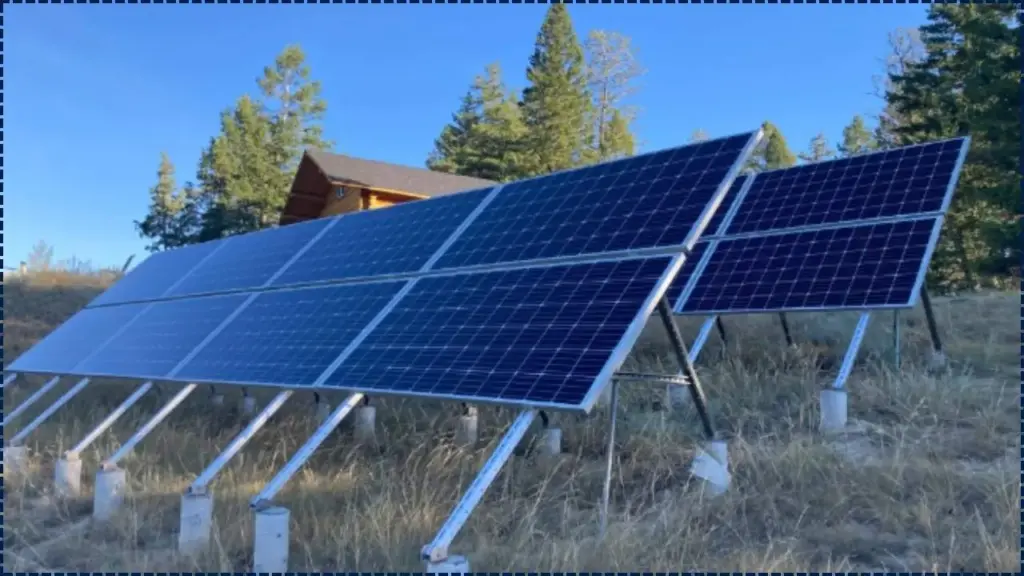
The program, which offers up to $5,000 each for solar panels and battery storage, reflects a broader shift in Canada’s clean energy strategy toward reliability and decentralized power systems.
BC Hydro’s $10,000 Reward
| Key Fact | Detail |
|---|---|
| Maximum rebate | Up to $10,000 total |
| Solar rebate | Up to $5,000 |
| Battery rebate | Up to $5,000 (with Peak Saver) |
| New requirement | Certified contractor mandatory |
| Policy shift | Focus on grid participation |
BC Hydro’s $10,000 reward remains a central pillar of British Columbia’s clean energy transition. The 2026 changes signal a move toward integrated, grid-supportive systems rather than standalone solar adoption.
As policies evolve, the program highlights a broader shift in how energy is generated, stored, and managed—placing homeowners at the center of a more decentralized and resilient power network.
Understanding the BC Hydro $10,000 Reward
The BC Hydro $10,000 reward is not a cash payout but a structured rebate designed to offset installation costs for renewable energy systems. It is part of the utility’s broader strategy to modernize energy infrastructure while reducing emissions.
Homeowners installing solar panels can receive up to $5,000, while battery storage systems may qualify for an additional $5,000 under certain conditions. Combined, the incentive can significantly reduce upfront costs, which often exceed $20,000.
According to energy analysts, such incentives are critical in accelerating adoption. “Without subsidies, residential solar uptake would remain limited due to high initial costs,” said a Canadian clean energy consultant.
Why the Program Exists
BC Hydro’s rebate aligns with Canada’s national climate commitments. The federal government aims to reach net-zero emissions by 2050, requiring substantial expansion in renewable energy.
Utilities face growing electricity demand driven by:
- Electric vehicles
- Electrified heating systems
- Population growth
By encouraging homeowners to generate and store electricity locally, BC Hydro reduces pressure on centralized infrastructure.
“Distributed energy systems are no longer optional—they are becoming essential,” said an academic researcher specializing in energy systems.
Major Changes in 2026
Battery Incentives Now Tied to Grid Participation
The most significant policy shift is the requirement to enroll in the Peak Saver program to receive the full battery rebate. This program allows BC Hydro to draw limited power from residential batteries during peak demand periods. In return, homeowners receive higher incentives.
Without participation:
- Battery rebate drops to around $1,500
- Standalone battery systems may not qualify
This reflects a broader trend toward integrating consumer energy systems into the grid.
Certified Contractors Required
Starting June 2026, only installations completed by approved contractors will qualify for rebates. This rule addresses concerns about:
- Safety risks
- System reliability
- Long-term performance
Industry groups have supported the move, noting that improper installations can reduce system efficiency and lifespan.
Financial Impact: Costs, Savings, and Payback
Installing a solar-plus-battery system remains a major investment. Costs vary depending on system size and location but typically range between $15,000 and $30,000. The rebate can reduce costs by up to 40–50 percent.
Example Scenario:
- System cost: $25,000
- Rebate: $10,000
- Net cost: $15,000
Savings depend on electricity usage and rates. Many homeowners see reduced monthly bills and long-term savings. Experts estimate payback periods of:
- 8–12 years for solar systems
- Longer when batteries are included
However, rising electricity prices may shorten these timelines.
Who Benefits Most?
The program is most advantageous for:
- High electricity users
- Homeowners with suitable roof space
- Households planning long-term residency
Rural and suburban households often benefit more due to higher energy consumption and space availability.

Comparison With Other Canadian Incentives
BC Hydro’s program is among the more generous provincial incentives in Canada. Other regions offer:
- Federal grants and tax credits
- Provincial rebates with lower caps
- Net metering programs
However, structures vary widely. Some provinces focus more on solar generation, while others emphasize efficiency upgrades. Energy economists say consistency across provinces remains a challenge. “Canada’s incentive landscape is fragmented, which can slow adoption,” said a policy analyst.
Grid Benefits and System Reliability
Battery storage plays a critical role in modern energy systems. During peak demand:
- Batteries reduce strain on the grid
- Utilities avoid costly infrastructure expansion
During outages:
- Homeowners gain backup power
- Communities improve resilience
The Peak Saver model reflects a shift toward “virtual power plants,” where distributed systems collectively support the grid.
Concerns and Criticism
Despite its benefits, the program has drawn criticism.
Affordability Issues
Even with rebates, upfront costs remain high for many households. Critics argue that incentives disproportionately benefit higher-income homeowners.
Privacy and Control
Participation in Peak Saver raises concerns about utility control over personal energy systems. Consumer advocates stress the need for transparency. “Homeowners must understand how and when their battery will be used,” said an energy rights expert.
Policy Stability
Rebate programs depend on government funding and may change over time. This uncertainty can affect long-term planning for homeowners and installers.

Industry Outlook
The solar industry is expected to grow as incentives expand and technology costs decline. Companies report increasing demand, driven by:
- Rising energy prices
- Climate awareness
- Improved battery technology
Analysts predict continued policy evolution as utilities adapt to changing energy systems.
Related Links
Tesla Energy Plan 2026: Is VPP Still the Fastest Way to Get Your Solar ROI?
Commercial Solar in 2026: Why Government Tax Breaks are a Game Changer for Small Business
What Homeowners Should Consider
Before applying, experts recommend evaluating:
- Roof condition and orientation
- Energy usage patterns
- Financing options
- Long-term savings potential
Consulting certified installers is essential to ensure compliance with program requirements.
FAQs
Is the $10,000 reward guaranteed?
No. The amount depends on eligibility and compliance with program rules.
Can renters apply?
No. The program is limited to property owners.
Are batteries required?
No, but adding a battery can increase total rebates.
How long does approval take?
Typically several weeks after installation and documentation submission.