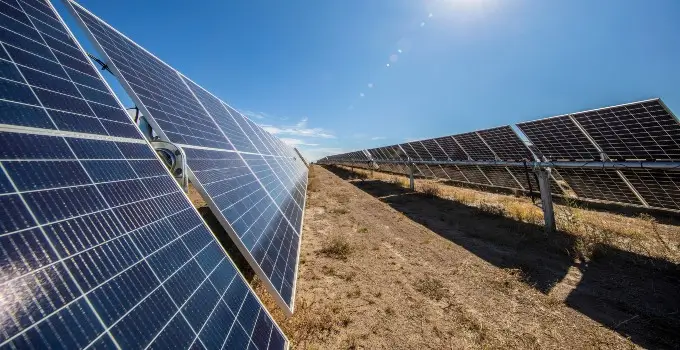
Bifacial solar technology is transforming renewable energy generation by capturing sunlight on both sides of photovoltaic panels, with research showing that snow-covered ground can boost energy output by up to 30%, making cold and reflective environments some of the most efficient locations for solar power deployment.
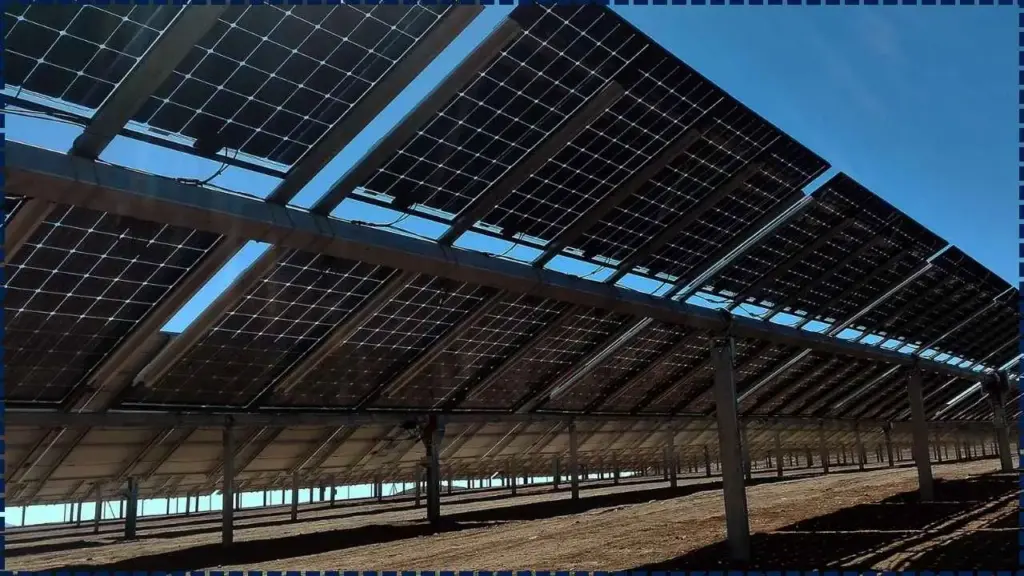
Bifacial Solar Technology
| Key Fact | Detail |
|---|---|
| Efficiency gain | 5%–30% higher output |
| Snow albedo | Up to 80–90% reflectivity |
| Key driver | Rear-side irradiance from reflection |
| Adoption trend | Rapid in utility-scale solar |
| Future outlook | Becoming industry standard |
Bifacial solar technology is redefining photovoltaic efficiency by transforming reflected light into measurable energy gains, with snow-covered environments emerging as powerful contributors to renewable energy production, as innovation continues to push the boundaries of solar performance worldwide.
Bifacial Solar Technology: A New Phase in Solar Engineering
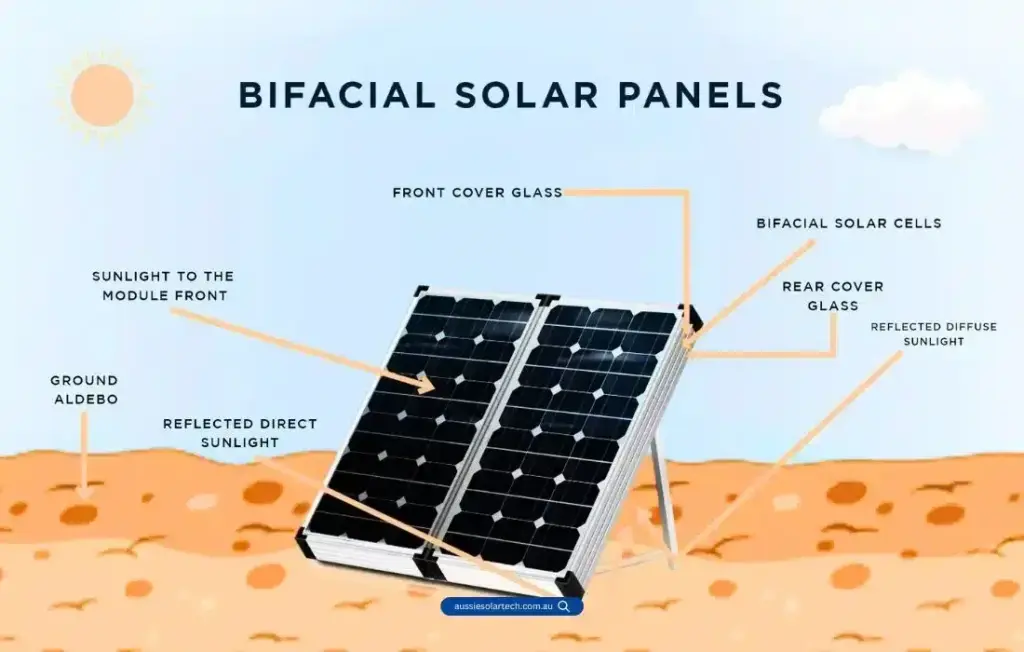
Bifacial solar panels mark a structural shift in photovoltaic design. Unlike monofacial modules, which absorb sunlight only from the front, bifacial panels generate electricity from both sides. This dual-sided capability allows them to capture:
- Direct solar radiation
- Diffuse atmospheric light
- Reflected ground radiation
According to research by the National Renewable Energy Laboratory (NREL), bifacial systems can deliver energy gains ranging from 5% to 30%, depending on environmental and design conditions.
Bifacial Solar Technology: The Science Behind Snow Reflection Gains
Albedo and Snow Optics
The key mechanism behind bifacial gains is albedo, or surface reflectivity. Snow exhibits one of the highest albedo values in nature, reflecting up to 90% of incoming sunlight. This reflection includes both:
- Diffuse reflection, which scatters light in multiple directions
- Specular reflection, which reflects light at specific angles
This combination increases the amount of irradiance reaching the rear side of panels.
Energy Yield Amplification
When snow reflects sunlight upward, bifacial panels convert that additional radiation into electricity. Peer-reviewed studies show:
- Winter energy gains of 15–30%
- Annual gains of 10–20% in snowy climates
These gains can significantly improve system performance and financial returns.
Quantitative Performance Modeling
Bifacial gain depends on several interacting variables:
- Albedo (ρ): Reflectivity of ground surface
- Ground Coverage Ratio (GCR): Panel density relative to land area
- Panel height: Distance from ground
- Tilt angle: Orientation relative to sun
For example:
- High albedo + low GCR + elevated panels = maximum gain
- Low albedo + dense layout = reduced benefit
Cold Climate Advantage Beyond Reflection
Temperature Efficiency Gains
Solar panels lose efficiency at high temperatures. Cooler climates reduce thermal losses, improving electrical performance.
Seasonal Compensation Effect
Snow reflection helps offset:
- Shorter daylight hours
- Lower sun angles
This creates a more balanced annual energy profile.
Utility-Scale vs Rooftop Applications
Utility-Scale Solar Farms
- Maximum bifacial gains due to optimized design
- Controlled ground conditions
- Large-scale deployment
Rooftop Installations
- Limited rear-side exposure
- Lower albedo impact
- Smaller performance gains
Bifacial technology is most effective in utility-scale environments.
Real-World Case Studies
Canada and Northern U.S.
Projects in Alberta and Minnesota report strong winter performance gains due to snow reflection.
Nordic Countries
Installations in Sweden and Norway show higher-than-expected annual yields.
High-Altitude Solar
Mountain regions benefit from both snow reflection and increased solar irradiance.
Agrivoltaics and Dual Land Use
Bifacial panels are increasingly used in agrivoltaic systems, where solar arrays coexist with agriculture. Benefits include:
- Enhanced light distribution
- Improved crop microclimates
- Dual land productivity
Economic Modeling: LCOE and Profitability
Levelized Cost of Energy (LCOE)
Higher energy output reduces LCOE, making solar more competitive.
Sensitivity Analysis
Financial performance depends on:
- Albedo accuracy
- Energy pricing
- Capital costs
A 10% increase in energy yield can significantly improve project returns.
Degradation and Long-Term Performance
Bifacial panels typically use glass-glass construction, which offers:
- Lower degradation rates
- Improved durability
- Longer operational lifespan
Annual degradation rates are often below 0.5%, enhancing long-term performance.
Operations, Maintenance, and Snow Management
Snow Shedding Design
Panels are angled to allow natural snow removal.
Minimal Manual Intervention
Most systems rely on sunlight and ambient temperature for snow clearing.
Monitoring Systems
Advanced sensors track performance and environmental conditions.
Environmental and Lifecycle Considerations
Carbon Efficiency
Higher output reduces lifecycle emissions per unit of electricity.
Land Use
Large solar farms require careful planning to minimize ecological impact.
Recycling Challenges
End-of-life panel recycling infrastructure is still developing.
Grid Integration and Energy Systems
Benefits
- Higher winter output improves seasonal balance
- Increased renewable penetration
Challenges
- Intermittency remains
- Requires storage and grid upgrades
Battery storage is increasingly paired with bifacial systems.
Emerging Risks and Considerations
Glare and Aviation Safety
Reflective surfaces can create glare concerns near airports.
Permitting Challenges
Large projects may face regulatory scrutiny.
Weather Risks
Extreme snow loads and storms require robust engineering.
Policy and Industry Standards
Standards from organizations such as:
- International Electrotechnical Commission (IEC)
- National Renewable Energy Laboratory (NREL)
guide testing and deployment. Governments support adoption through incentives and climate policies.
Related Links
Future Innovations: Beyond Current Limits
Perovskite-Bifacial Hybrids
Next-generation materials could further increase efficiency.
AI Optimization
Smart systems can dynamically adjust panel performance.
Reflective Ground Engineering
Artificial albedo enhancement may unlock higher gains.
FAQs
What is bifacial solar technology?
Solar panels that generate electricity from both sides.
Why does snow increase output?
Snow reflects sunlight, boosting rear-side irradiance.
How much more energy can they produce?
Typically 5%–30% more, depending on conditions.
Are they more expensive?
Slightly, but higher output improves returns.
Where are they most effective?
In high-albedo environments such as snowy or desert regions.