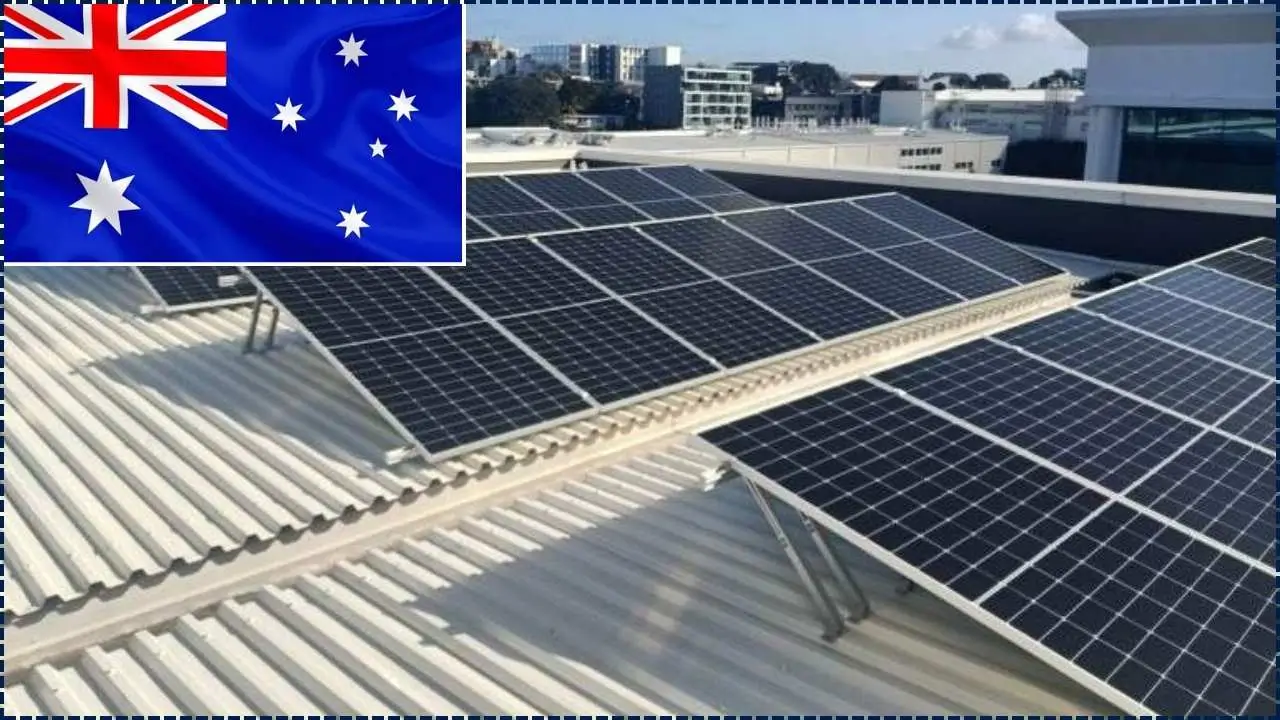

The world is increasingly looking to renewable energy to combat climate change, with solar, wind, and hydropower leading the charge. However, these sources, while clean, face challenges like intermittency and energy storage. As nations seek carbon-free energy solutions, nuclear power — traditionally large-scale and centralized — is being reimagined.
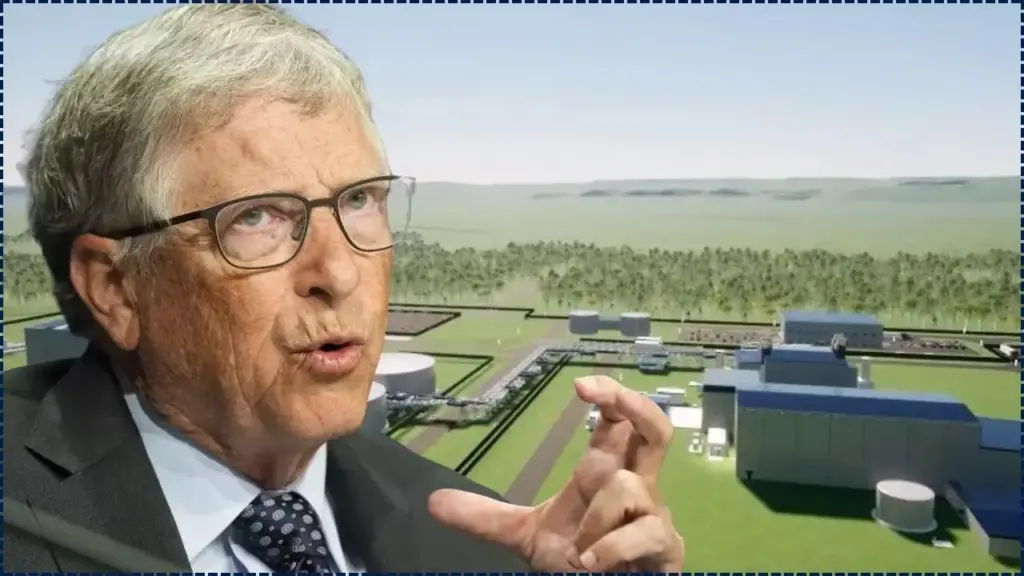
TerraPower, a company founded by Bill Gates, is at the forefront of a nuclear energy revolution that could bring small modular reactors (SMRs) to the residential and community level. These advanced reactors could offer clean, scalable energy with a much smaller footprint than traditional nuclear plants.
While the notion of a reactor in your basement may sound far-fetched, TerraPower’s work with modular nuclear systems could be a vital part of the future energy landscape.
TerraPower: A Leader in Nuclear Innovation
What Is TerraPower?
Founded in 2006, TerraPower is an energy technology company focused on advancing nuclear power systems that are cleaner, more affordable, and safer than traditional reactors. With significant investment from Bill Gates and a coalition of other private and public investors, the company has developed an advanced reactor design called the Natrium reactor.
The Natrium design is one of the most high-profile projects, using sodium-cooled fast reactors combined with molten salt storage for improved grid stability and energy flexibility.
Natrium and SMRs: Small but Powerful
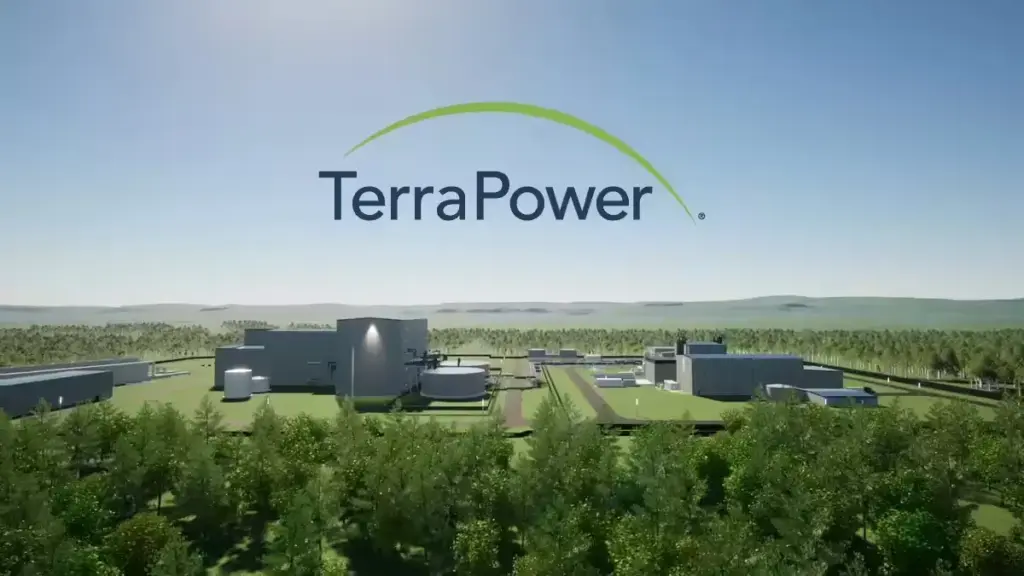
The Natrium reactor is designed to produce 345 megawatts (MW) of power — about one-third the output of a traditional nuclear reactor. This modular approach makes the technology scalable and adaptable, allowing for easy construction in different environments, including remote locations and decarbonizing industrial hubs.
What makes the Natrium reactor particularly exciting is its sodium-cooled design and the ability to integrate molten salt energy storage, enabling it to provide energy even when renewable sources like solar and wind are unavailable.
Natrium is also notable for its potential to convert existing coal plants into nuclear-powered facilities, a revolutionary move that would significantly reduce carbon emissions from the industrial sector, which is a major contributor to global greenhouse gas emissions.
The Promise of Small Modular Reactors (SMRs)
What Are Small Modular Reactors (SMRs)?
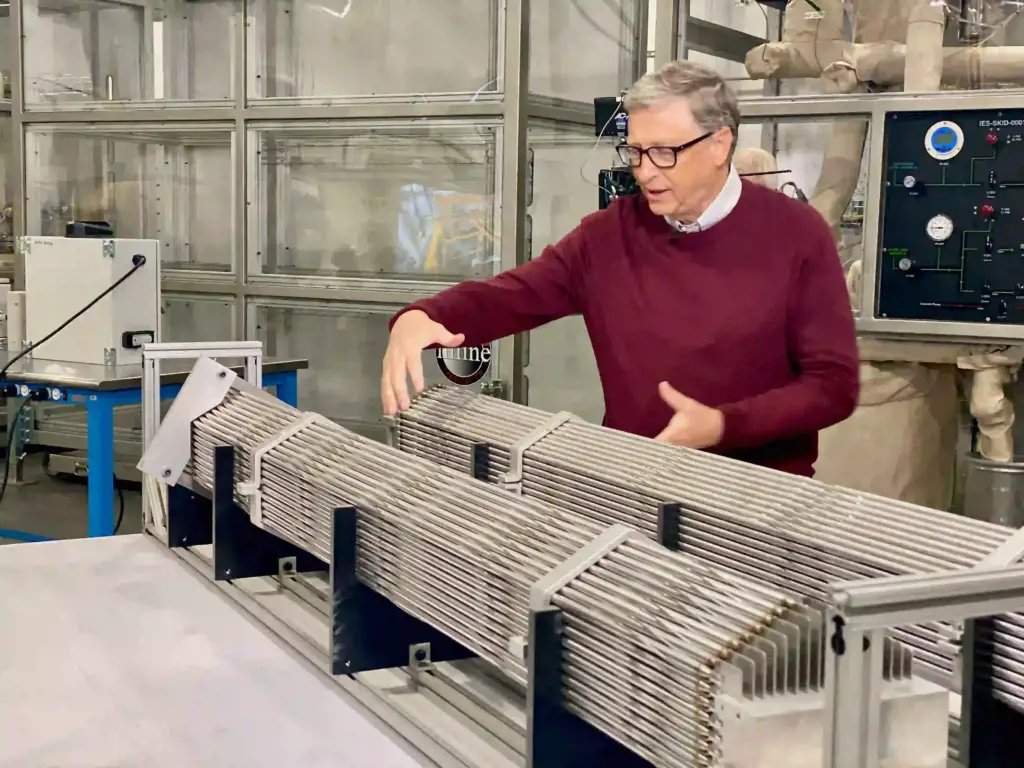
SMRs are nuclear reactors with an output capacity of up to 300 MW per unit. This is much smaller than traditional reactors, which produce several gigawatts of power. The modularity of SMRs allows them to be produced in factories and assembled on-site, which could potentially lower construction time, costs, and safety risks compared to large, conventional nuclear plants.
SMRs are considered to be easier to regulate, with several designs having safety features that automatically shut down reactors in the event of a malfunction.
A More Flexible, Decentralized Energy Solution
SMRs offer a key benefit in terms of energy decentralization. Their small size and ability to operate in a variety of environments mean they could provide power for remote communities, military bases, and industries without the need for large infrastructure investments.
Additionally, SMRs could be used in conjunction with renewables to ensure grid reliability. The flexibility of SMRs means that they can be used in places where traditional energy sources, such as coal or large nuclear plants, are impractical.
Can Nuclear Power Become a Household Solution?
The Vision of Home-Sized Reactors
The question arises: Could the technology behind SMRs evolve to the point where nuclear reactors are small enough to be installed in individual homes or neighborhoods? While modular reactors are still in the early stages of development, and true “home reactors” are still years away, there is potential for this technology to scale in the future.
For instance, the concept of microreactors — small reactors with outputs ranging from 1 MW to 20 MW — could provide localized, low-carbon energy solutions. These smaller reactors could help provide energy independence for homeowners or remote communities that are disconnected from the grid or rely on costly fossil fuels for energy.
However, technical, financial, and regulatory hurdles remain before these systems could be deployed on a broad scale. The cost of construction, the need for strict safety protocols, and the public perception of nuclear energy all play significant roles in determining how quickly and feasibly home reactors could become a reality.
The Safety Question
Nuclear safety remains one of the most pressing concerns for the technology. Even small reactors need to be designed with multiple safety layers, including emergency shutdown systems, passive cooling, and containment mechanisms.
Although small modular reactors are designed to be safer than traditional nuclear power plants, the public perception of nuclear accidents — due to incidents like Chernobyl and Fukushima — is a major barrier to home-sized nuclear systems.
The Global Impact of SMRs: Climate Change and Clean Energy
Climate Goals and Energy Access
As global leaders set ambitious goals to reduce carbon emissions and combat climate change, SMRs could play a key role in decarbonizing energy sectors that rely heavily on fossil fuels. Unlike traditional nuclear plants, which are expensive and time-consuming to build, SMRs are faster and more cost-effective, making them a viable option for developing countries that are seeking to transition to cleaner energy sources.
Moreover, with the growing emphasis on decentralized energy production, SMRs can bring clean power to remote regions where traditional grid infrastructure is not feasible.
This flexibility also makes SMRs a good complement to renewable energy sources like solar and wind, which can be intermittent.
Challenges to Widespread Adoption of SMRs
Cost and Economic Feasibility
Despite their promise, small modular reactors still face economic challenges. The costs associated with manufacturing, licensing, and building SMRs are significant, and the commercial viability of these reactors will depend on reducing these costs through mass production and economies of scale.
Further, the infrastructure required for fuel supply, waste management, and regulatory oversight adds complexity and cost to deployment.
Nuclear Waste Management
The issue of nuclear waste disposal remains one of the most controversial aspects of nuclear power. SMRs could generate less waste than traditional reactors, but the question of long-term waste management remains unresolved.
The challenge of storing spent nuclear fuel safely is still an issue that needs a comprehensive solution before the widespread deployment of SMRs can be considered.
Regulatory Hurdles and Public Perception
Nuclear regulation is complex and stringent. Each new reactor design must undergo rigorous approval processes, and the licensing time can take several years.
Public concerns regarding nuclear energy and its potential risks continue to persist, which means that public education and transparent safety measures will be crucial in fostering acceptance of SMRs.
The Road Ahead: Looking to 2030 and Beyond
Despite these challenges, the push for small modular reactors is gaining momentum. TerraPower, along with other companies like NuScale Power and X-Energy, is advancing the development of next-generation nuclear technologies that could complement renewable energy systems in the decades to come.
As global energy demands continue to grow, modular nuclear reactors could be a vital part of a cleaner, more resilient energy future. While home-sized nuclear reactors are not expected to be a reality for many years, the concept of modular reactors designed for small communities, industrial sites, or even microgrids is gaining traction.
In the coming decades, nuclear power could play an increasingly important role in addressing global energy challenges, mitigating climate change, and providing reliable power for areas that are not connected to the grid.
Related Links
Generate Power Even at Night! Why This ‘Solar with Fans’ Hybrid is a Game Changer for Homes.
TerraPower’s Bold Vision for Nuclear Energy
TerraPower’s small modular reactors are pushing the boundaries of what’s possible in nuclear energy, demonstrating that nuclear power can be more flexible, safe, and cost-effective. While home reactors remain far off, the company’s vision of modular nuclear energy could provide a pathway toward more localized, sustainable, and reliable power solutions for the future.
As the technology continues to evolve, and as countries and communities seek cleaner energy solutions, small modular reactors will likely be a key player in the global transition to net-zero emissions.
For now, TerraPower’s projects represent an important step toward reshaping the nuclear landscape, offering an intriguing glimpse into the future of energy generation.