

Homeowners with solar panels are no longer just generating energy for their own use. Through blockchain technology, they are transforming into local energy traders, selling surplus electricity directly to neighbors.
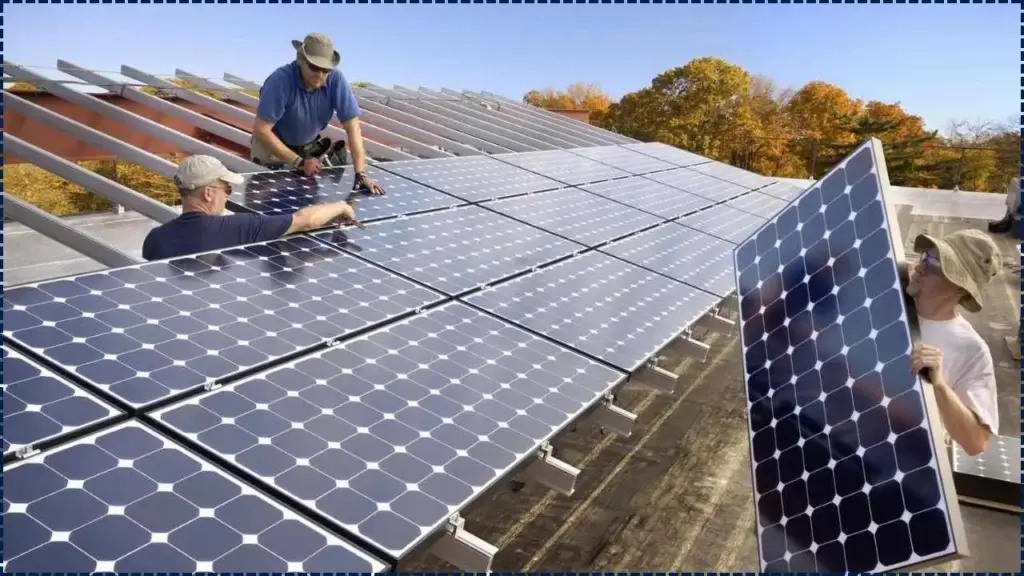
This innovative system is creating decentralized, community-driven power markets that could reshape the future of energy, empowering individuals and making energy markets more sustainable and transparent.
Sell Power to Your Neighbors
| Key Fact | Detail / Statistic |
|---|---|
| Blockchain’s Role | Facilitates transparent, decentralized peer-to-peer trading |
| Global Pilot Projects | In regions like India and Australia, blockchain for solar trading is being tested |
| Benefits for Homeowners | Earn from surplus solar power by selling to local buyers |
| Energy Trading Market Expansion | P2P energy trading could account for 5-10% of the global energy market by 2030 |
| Environmental Impact | Blockchain-powered solar trade could increase renewable energy adoption by 15% |
Blockchain Technology and the Future of Solar Energy Trading
The advent of blockchain technology is driving a significant shift in the way energy is traded globally. While much of the energy market has traditionally been controlled by large utilities, blockchain is decentralizing the process, allowing home solar owners to sell excess energy directly to local consumers.
This new method of energy distribution is fundamentally changing the landscape, making energy markets more democratic, transparent, and accessible to individuals. Blockchain, a technology most commonly associated with cryptocurrencies like Bitcoin, is being leveraged in the energy sector to create peer-to-peer (P2P) networks.
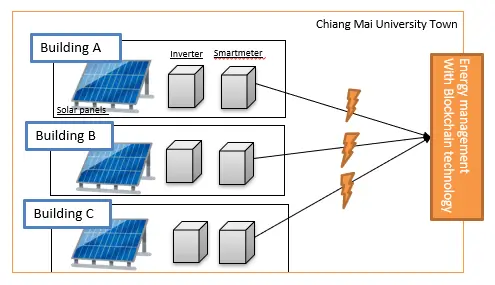
These networks allow home solar owners to sell excess electricity to nearby neighbors through a secure, decentralized system. This direct trading model not only empowers homeowners to profit from their solar energy production, but it also increases the efficiency of energy use within communities.
How Blockchain Enables Peer-to-Peer Solar Energy Trading
Decentralized Energy Networks
Traditionally, energy production and distribution have been monopolized by utility companies. Homeowners with solar panels could either use the power themselves, store it, or sell it back to the grid.
The grid operator, typically a utility company, was responsible for managing these transactions. Blockchain technology, however, is removing the need for intermediaries by enabling a direct exchange between energy producers and consumers.
With blockchain’s decentralized ledger system, transactions between solar producers and consumers are recorded transparently and securely. This eliminates any doubts about the fairness or accuracy of the trading process.
The Role of Smart Contracts
One of the most revolutionary aspects of blockchain-based energy trading is the use of smart contracts. These self-executing contracts automatically trigger actions once specific conditions are met.
For example, if a homeowner decides to sell 5 kWh of surplus energy, a smart contract ensures that the transaction occurs when a buyer accepts the offer.
This feature eliminates the need for intermediaries, streamlines the transaction process, and significantly lowers the costs associated with energy trading.
Transparent and Secure Transactions
Blockchain’s distributed ledger technology ensures that every energy transaction is recorded in a transparent and tamper-proof manner. Both the buyer and seller can verify the transaction history, which increases trust in the system.
This transparency ensures that the entire process is accountable, helping to address concerns over energy pricing and ownership.
Why Blockchain for Energy Trading?
Increased Market Access
The application of blockchain in solar energy trading opens up the market to a broader range of participants. Homeowners who generate more electricity than they consume can monetize their surplus by selling it directly to neighbors, rather than relying on utility companies to purchase the excess at often lower rates.
This allows homeowners to earn additional income, while consumers have access to potentially cheaper, locally sourced energy. In areas with high renewable energy potential, this can create new economic opportunities, particularly in underserved regions that are traditionally dependent on expensive imported electricity.
According to the International Energy Agency (IEA), decentralized energy systems have the potential to reduce energy costs by up to 20%.
Energy Efficiency and Localized Power Systems
Local energy trading offers substantial benefits in terms of energy efficiency. With blockchain facilitating these trades, excess energy from homes can be directly utilized by nearby households, reducing the need to transport power across long distances.
The result is a more efficient distribution system and a reduction in transmission losses. Additionally, localized power systems foster greater community resilience. In the event of a regional blackout, locally sourced solar power could provide critical backup energy to nearby consumers, minimizing disruption.
Global Pilot Projects and Real-World Applications
India’s Solar Energy Marketplace
In India, the government and energy innovators have been exploring blockchain-based platforms to enable the peer-to-peer trading of solar energy. The aim is to create a system that connects solar producers with consumers in a specific geographic area, allowing participants to trade energy using digital tokens or credits.
The pilot projects have garnered attention from regulatory bodies, suggesting that India could be one of the first countries to see large-scale implementation of this technology.
The Delhi Solar Exchange, for example, is testing blockchain’s ability to create an energy marketplace where homeowners and businesses can trade their excess solar power. According to Energy Minister R.K. Singh, blockchain could help India achieve its ambitious goal of 100 GW of solar power by 2022 by empowering consumers to directly sell surplus energy.
Australia’s Blockchain for Energy Trading
Australia, a leader in solar energy adoption, is also experimenting with blockchain for energy trading. The Power Ledger project, launched in 2016, is one of the most well-known blockchain-based P2P energy trading platforms in the world.
Power Ledger has been successfully tested in several pilot projects in Australia and is being adopted by communities in Western Australia, Queensland, and New South Wales. The platform allows users to track the amount of solar energy they produce, store it, and trade it in a secure, transparent manner.
According to David Martin, CEO of Power Ledger, the technology has the potential to make solar energy more accessible and affordable by creating a decentralized and open marketplace.
Challenges and Limitations of Blockchain Energy Trading
While the potential for blockchain in the solar energy market is significant, several challenges must be addressed before it can be implemented at scale.
Regulatory Frameworks
A major hurdle is the lack of regulatory clarity in many regions. Energy markets are often tightly regulated, and the shift to decentralized energy trading models requires changes in laws and policies.
Governments and regulators must create frameworks that ensure fair pricing, maintain grid stability, and protect consumers from potential exploitation.
According to Dr. Anya Sharma, an expert in energy economics at Brookings Institution, “Governments must play an active role in shaping the rules of the new decentralized energy economy to ensure that it benefits all players fairly.”
Infrastructure Requirements
Another challenge is the need for robust smart meter infrastructure. In order for blockchain-based energy trading to work effectively, every home with solar panels must have smart meters capable of measuring energy production and consumption in real time.
While this infrastructure is already being rolled out in some countries, it remains costly and logistically challenging in others.
Scalability and Energy Efficiency of Blockchain
Blockchain’s scalability is also an issue. As more participants enter the energy trading market, blockchain systems must be able to process an increasing volume of transactions without becoming inefficient.
Furthermore, energy usage by blockchain networks themselves must be minimized, particularly as concerns about the environmental impact of blockchain mining remain.
Environmental Benefits and Global Impact
Boosting Renewable Energy Adoption
Blockchain-based trading systems could significantly accelerate the adoption of renewable energy worldwide. A study by Clean Energy Council suggests that P2P solar energy trading could increase global renewable energy usage by up to 15% by 2030. This growth would help combat climate change by reducing reliance on fossil fuels and lowering carbon emissions.
Decentralized Grid Management
In addition to energy trading, blockchain can also enhance grid management. Through transparent and secure transaction data, blockchain could provide real-time insights into energy generation and consumption patterns, enabling utilities to better manage supply and demand.
This system could also encourage further investment in renewable energy projects, as investors would have access to reliable, real-time data on energy production and usage.
Related Links
Your House Walls Could Soon Generate Electricity! Meet the Bio-Panels Made of Algae.
Forget Lithium-Ion! This New Graphene Battery Charges Your EV in Just 120 Seconds.
Blockchain technology is poised to reshape the energy industry, offering a new model for solar energy trading that benefits both producers and consumers. By enabling peer-to-peer transactions, blockchain empowers homeowners to sell surplus solar energy directly to their neighbors, creating localized, decentralized energy markets.
While challenges remain—particularly in terms of regulation, infrastructure, and scalability—the potential benefits of blockchain in the solar energy sector are immense.
As pilot projects in India, Australia, and other regions demonstrate, blockchain could be the key to unlocking a future where clean, renewable energy is more accessible, affordable, and democratic.
The success of blockchain-based solar trading depends on global cooperation between governments, technology providers, and energy markets. The transition to decentralized energy markets will require overcoming regulatory, infrastructural, and technical challenges.
However, the potential to create more efficient, sustainable, and equitable energy systems makes blockchain an exciting innovation for the future of solar power.