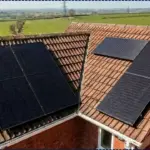

The financial equation for California Solar in 2026 has shifted significantly after new state energy rules reduced payments for excess electricity exported from rooftop solar systems.
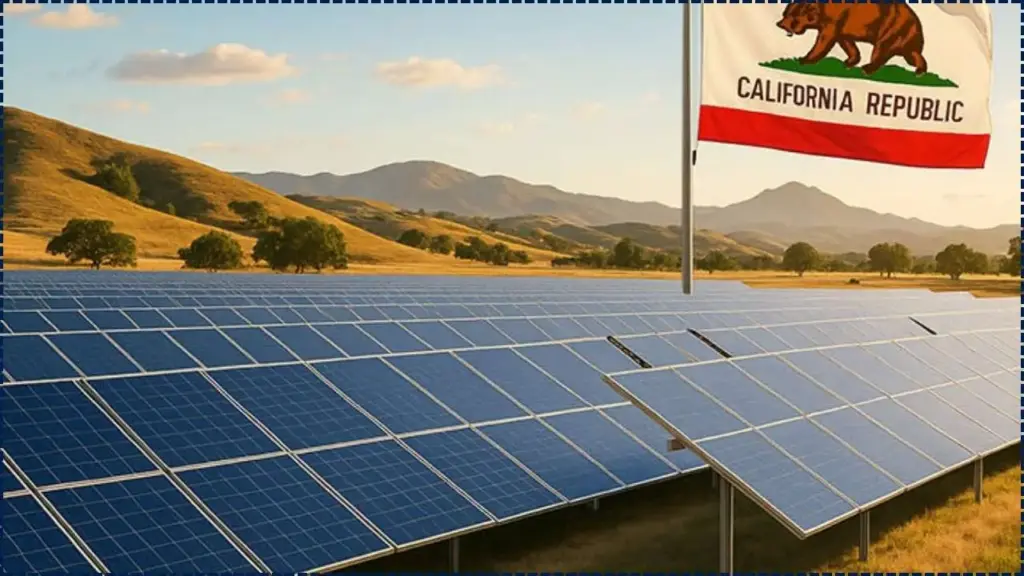
Under California’s updated net-billing policy, many analysts say installing solar panels without battery storage can dramatically reduce potential savings, pushing homeowners toward solar-plus-storage systems.
California Solar in 2026
| Key Fact | Detail |
|---|---|
| Policy Change | California replaced traditional net metering with Net Billing (NEM 3.0) |
| Export Payment Drop | Solar export credits fell roughly 70–80% |
| Solar Strategy Shift | Batteries allow homeowners to store solar energy for evening use |
| Market Trend | Solar systems with batteries are becoming the new standard |
The Policy Change Driving California Solar in 2026
The shift affecting California Solar in 2026 began when the California Public Utilities Commission (CPUC) implemented the Net Billing Tariff, widely known as NEM 3.0. The policy replaced earlier net-metering programs that paid homeowners nearly the full retail electricity price for solar power exported to the grid.
Under Net Energy Metering 2.0, which operated for several years before the policy change, homeowners could receive credits equal to the retail electricity price for solar electricity sent to utilities.
In California, residential electricity prices often exceed $0.30 per kilowatt-hour, according to data from the U.S. Energy Information Administration (EIA). But under NEM 3.0, exported electricity is valued using the “avoided cost” of power, reflecting the market value of electricity during specific hours.
Because solar energy is most abundant at midday, the market value during those hours is often low. As a result, export payments have fallen to roughly $0.05 to $0.08 per kilowatt-hour, according to industry estimates cited by solar market analysts.
A Brief History of California Net Metering
To understand California Solar in 2026, it helps to examine the evolution of the state’s solar policies.
NEM 1.0 (1996–2016)
California’s original net-metering program allowed homeowners to sell excess solar electricity back to utilities at retail electricity rates. This policy helped launch California’s rooftop solar market.
NEM 2.0 (2016–2023)
The second phase introduced modest grid connection fees but maintained retail-rate export credits. Solar adoption expanded rapidly during this period.
NEM 3.0 (2023–Present)
The current system replaced retail-rate credits with avoided-cost compensation. The policy dramatically reduced payments for exported electricity and shifted the economics toward battery storage.
Why Solar Panels Alone Are Less Profitable
Under earlier net-metering rules, homeowners could effectively use the power grid as a virtual battery. Solar panels generated electricity during the day. Any unused energy automatically flowed to the grid, generating credits that could later offset nighttime electricity use.
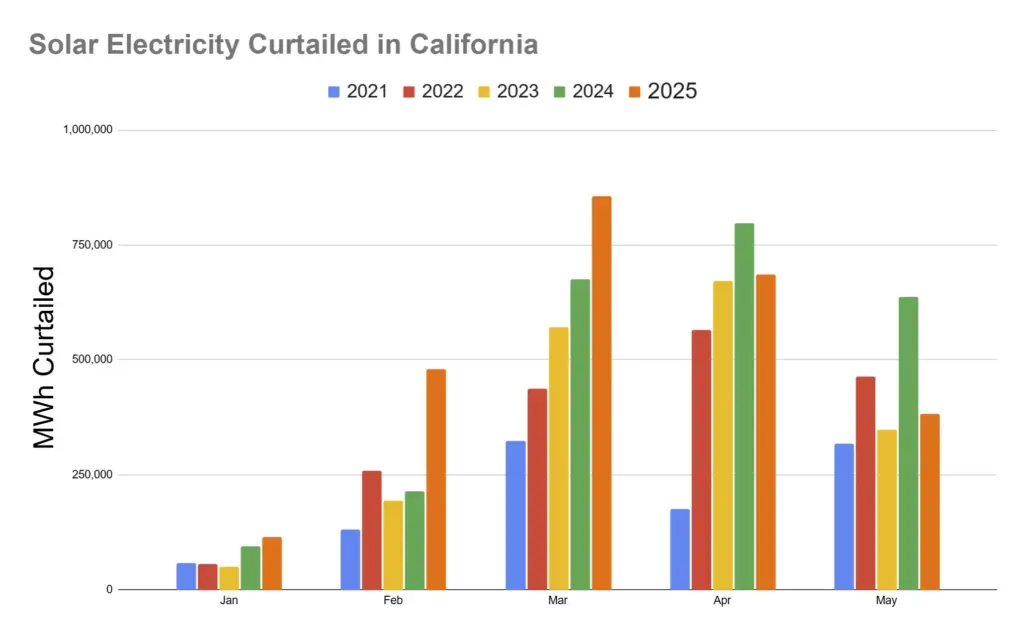
But under the system shaping California Solar in 2026, exporting excess solar electricity yields much smaller financial returns. The reason lies in California’s changing electricity supply. Large amounts of solar power now enter the grid during midday hours, creating a surplus of electricity.
Energy analysts refer to this phenomenon as the “duck curve”, which describes a steep drop in electricity demand during sunny hours followed by a rapid increase in the evening. Because electricity is plentiful at midday, its market value drops. As a result, solar exports during those hours earn significantly lower compensation.
Why Batteries Improve Solar Economics
Battery storage allows homeowners to store excess solar energy produced during the day and use it later. This strategy significantly improves the financial performance of solar systems under NEM 3.0.
Electricity demand and prices typically peak in California between 4 p.m. and 9 p.m. During those hours, utilities charge higher rates for electricity. Using stored solar energy instead of purchasing grid electricity can therefore generate substantial savings.
According to the California Public Utilities Commission, pairing solar systems with battery storage helps align renewable energy production with periods of high electricity demand.

Financial Comparison: Solar With vs. Without Batteries
The financial difference between solar systems with and without battery storage can be significant.
| Scenario | Electricity Strategy | Financial Impact |
|---|---|---|
| Solar Only | Excess electricity exported at ~ $0.05/kWh | Lower financial returns |
| Solar + Battery | Stored energy used during peak pricing | Higher electricity savings |
Because electricity rates in California are among the highest in the United States, storing solar energy can dramatically improve long-term system economics.
Real Homeowner Example
Consider a homeowner installing a solar system that produces excess electricity during the day.
Without Battery Storage
- Excess solar electricity exported at ~$0.05/kWh
- Limited financial return for exported power
With Battery Storage
- Excess energy stored in battery
- Used during evening hours when electricity costs ~$0.30/kWh
The difference in electricity value can dramatically affect long-term savings. Energy analysts say this shift explains why solar installers increasingly recommend batteries alongside rooftop solar systems.
Rising Demand for Battery Storage
The policy changes affecting California Solar in 2026 have significantly increased demand for residential battery storage. Battery manufacturers such as Tesla Energy, Enphase Energy, and LG Energy Solution have reported growing interest in home energy storage systems.
Industry analysts note that a large share of new solar installations in California now include batteries. Battery systems also provide additional benefits beyond financial savings. These include:
- Backup power during outages
- Protection against rising electricity prices
- Participation in emerging grid programs
Virtual Power Plants and Future Grid Programs
Another factor driving battery adoption is the emergence of virtual power plants (VPPs). Virtual power plants connect thousands of home batteries into a coordinated energy network. Utilities can draw electricity from these distributed systems during peak demand periods.
Programs in California already allow homeowners to receive compensation for allowing their batteries to support the grid. Energy experts say VPP programs could become an important part of California’s energy system.
Industry Reaction to the Policy Change
The policy shift has sparked debate within the solar industry. Organizations such as the California Solar & Storage Association (CALSSA) have criticized NEM 3.0, arguing it weakens incentives for rooftop solar adoption.
The group warned that the rule change could reduce installations and affect employment within the solar sector. At the same time, battery storage companies have welcomed the policy shift. Energy analysts say the new rules encourage technologies that better align renewable energy production with grid demand.
Is Solar Still Worth It in California?
Despite the changes affecting California Solar in 2026, solar power remains financially attractive for many households. California electricity prices are among the highest in the United States.
According to the U.S. Energy Information Administration, average residential electricity prices in California are significantly above the national average. Because solar panels reduce reliance on grid electricity, long-term savings can still be substantial.

Analysts estimate some homeowners could save tens of thousands of dollars over the lifetime of a solar system, particularly when combined with battery storage.
Outlook for California Solar in 2026
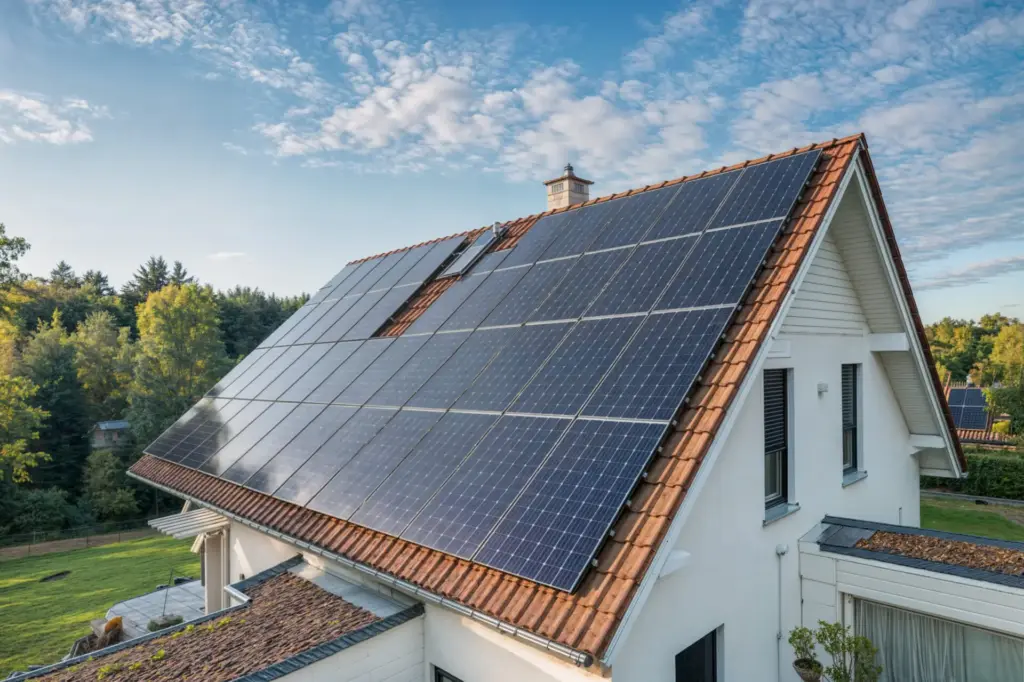
California’s solar market is entering a new phase. Instead of relying on selling electricity back to utilities, homeowners are increasingly storing solar energy for later use. Industry analysts expect the transition toward solar-plus-storage systems to accelerate over the coming years.
As battery technology improves and electricity prices continue to rise, integrated solar and storage systems may become the dominant model for residential energy generation.
Related Links
Game-Changer in IoT: New Organic Device Works as Both Indoor Solar Cell and Photodetector
New World Record: Japanese Scientists Achieve 12.28% Efficiency in Copper Gallium Solar Cells
The economics of California Solar in 2026 reflect a broader shift in the state’s electricity system. As solar generation becomes more abundant, the value of exporting electricity to the grid declines. For homeowners, the future of rooftop solar increasingly lies not just in generating clean energy—but in storing it.
FAQs
Do I need a battery for solar in California?
Technically no. However, battery storage often improves financial savings under NEM 3.0.
Why did California change net-metering rules?
Regulators say the change reflects the declining value of midday solar electricity and helps stabilize the electricity grid.
Will existing solar systems be affected?
No. Most homeowners who installed solar before April 2023 remain under earlier net-metering rules for about 20 years.
Are batteries expensive?
Battery costs vary widely but often range from $8,000 to $15,000, depending on system size and technology.
Does solar still save money in California?
Yes, particularly when paired with battery storage that allows homeowners to use solar electricity during peak pricing periods.