

The idea of a world powered entirely by rooftop solar panels has captivated the imaginations of environmentalists, policy makers, and citizens alike. If every urban rooftop had solar panels, could we realistically phase out fossil fuels by 2030?
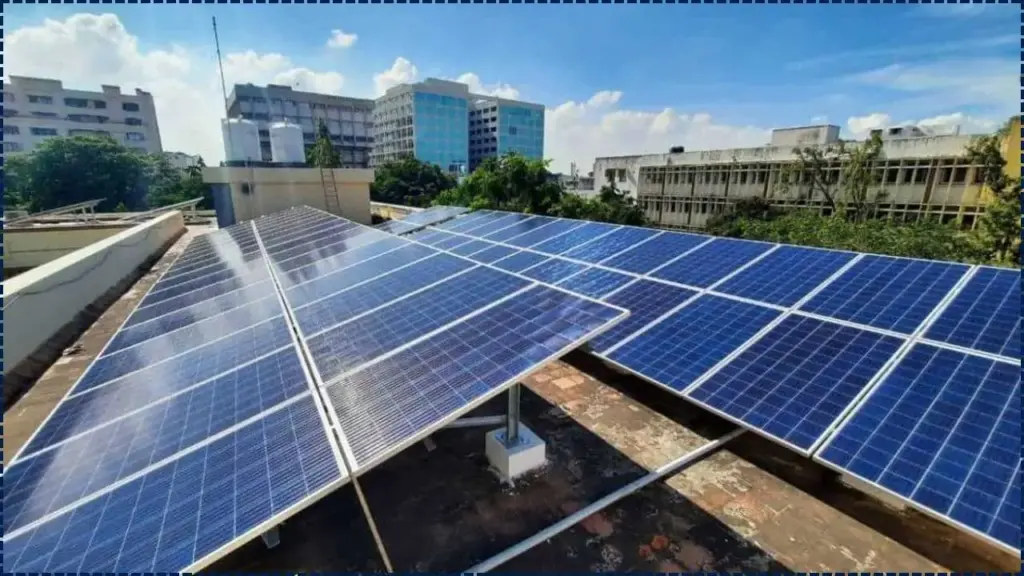
While the environmental benefits of rooftop solar are undeniable, experts argue that solar alone won’t be sufficient to meet the urgent timeline of phasing out fossil fuels, which requires broader infrastructure changes, technological advancements, and supportive policies.
This article delves into the potential of rooftop solar, examining both its possibilities and limitations, while exploring how we can complement solar with other strategies to achieve net-zero emissions by 2030.
The Potential of Rooftop Solar: A Viable Clean Energy Resource
A Renewable Resource at Scale
Rooftop solar is not just a niche technology — it’s one of the most promising pathways for decentralized clean energy production. According to a 2021 World Economic Forum report, 50% of global rooftops could be converted into solar power plants, generating vast amounts of electricity.
In fact, urban areas with abundant roof space could make a considerable dent in meeting local and even national electricity needs. Countries like Germany have proven the potential of decentralized solar power with their Energiewende (energy transition) policy.
As of 2026, Germany leads in Europe with over 50 GW of solar power, much of which comes from rooftop installations.
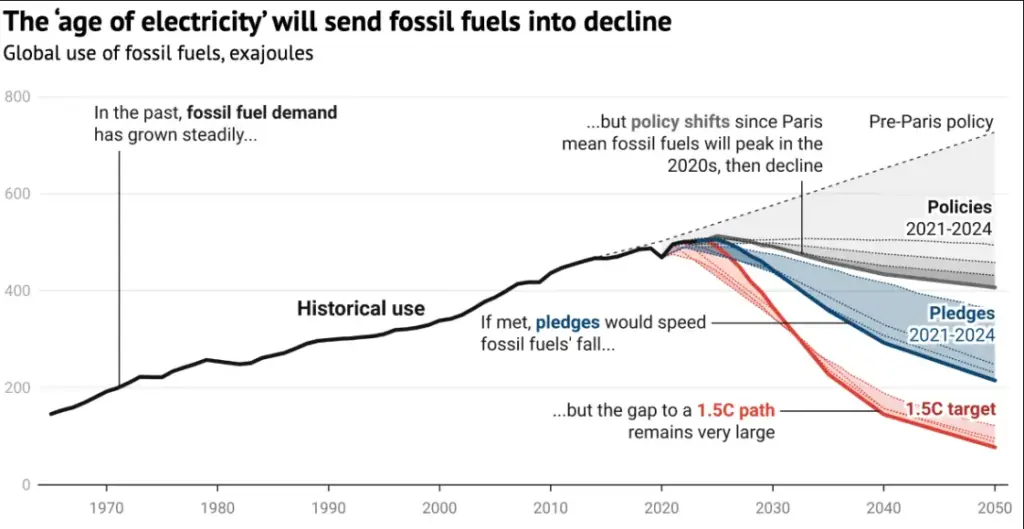
The push for rooftop solar is gaining momentum worldwide, driven by decreasing costs of solar panels and incentive programs. Major cities, including Los Angeles and New York, have introduced ambitious goals to make rooftops a key part of their clean energy transition.
Why Rooftop Solar Isn’t Enough to Eliminate Fossil Fuels by 2030
Electricity vs. Total Energy Demand
While rooftop solar can supply a significant portion of electricity demand, the global energy mix is not solely dependent on electricity. Fossil fuels are still widely used in transportation, industrial processes, and heating — sectors that rooftop solar cannot directly address.
According to the International Energy Agency (IEA), electricity generation accounts for roughly 20-25% of global energy use. Thus, even if rooftops provided sufficient power for cities, they cannot alone eliminate fossil fuels in transportation or industry.
The Intermittency Problem: Solar’s Dependence on Weather
Solar power is inherently intermittent. It only generates electricity during the day and is subject to the variability of weather conditions. For cities to rely entirely on rooftop solar, the energy grid must be equipped to handle fluctuations in supply — a challenge that current grid systems are not designed to tackle effectively.
To make rooftop solar viable at scale, energy storage systems are essential. While technologies such as lithium-ion batteries and pumped hydro storage show promise, large-scale storage systems are still not cost-effective or widespread enough to guarantee a reliable, 24/7 supply of electricity.
Integrating Rooftop Solar with Energy Storage and Grid Modernization
Energy Storage Solutions
To compensate for solar energy’s intermittency, storage solutions are needed to capture excess energy generated during the day. The most common form of storage is battery technology, but large-scale energy storage remains an obstacle to achieving a fully solar-powered grid.
The cost of solar batteries has decreased significantly in recent years, but widespread deployment is still limited by price and capacity. A study by the IEA estimates that battery storage will need to increase 10-fold by 2030 to keep pace with renewable energy growth.
Grid modernization is another crucial component. A smart grid allows energy to flow efficiently, managing the variable input from rooftop solar and adjusting electricity consumption in real time. As cities continue to deploy solar, the grid will need to evolve into a flexible, decentralized system capable of integrating renewable sources seamlessly.
Real-World Examples of Rooftop Solar Adoption
Germany: Leading by Example
Germany’s Energiewende initiative has placed solar power at the core of its energy transition. As of 2026, the country boasts over 50 GW of solar capacity, with a significant portion coming from rooftop installations.

These decentralized energy systems are helping Germany meet its renewable energy targets and reduce dependence on fossil fuels. However, Germany’s broader strategy includes wind power, energy storage, and grid improvements to complement solar energy.
California’s Solar Mandate
In 2020, California implemented a solar mandate requiring all new homes built after 2020 to include solar panels. This forward-thinking policy has made rooftop solar a mainstream energy solution in the state, further accelerating the transition to clean energy.
California’s solar incentives have made rooftop systems more affordable for homeowners, although challenges remain around storage capacity and grid integration.
The Role of Electric Vehicles and Charging Infrastructure
As cities look to power their grids with solar, another key component is the electrification of transportation. The widespread adoption of electric vehicles (EVs) can amplify the benefits of rooftop solar.
EVs can be charged with solar power, providing a dual benefit: reducing emissions from vehicles and increasing demand for solar-generated electricity.
To make this synergy effective, cities must deploy EV charging infrastructure that is connected to the grid and powered by renewable energy. This transition could play a significant role in reducing fossil fuel use, especially in urban areas with high vehicle ownership.
Policies and Regulations: A Global Imperative
Incentives and Government Support
To achieve widespread rooftop solar deployment, governments need to enact favorable policies and regulations. Net metering — allowing homeowners to sell excess energy back to the grid — and feed-in tariffs that guarantee payments for solar energy producers are essential to encouraging rooftop solar adoption.
Countries that have adopted aggressive solar incentives like Germany and California have seen substantial growth in rooftop solar capacity. Globally, governments must implement comprehensive energy policies to remove barriers to solar energy, particularly in regions where rooftop installations are underutilized.
The Economic Impact: Job Creation and Industry Growth
A transition to widespread rooftop solar would also have significant economic implications. The solar energy sector is already a major source of employment, with over 3 million people employed globally in solar-related jobs.
Scaling up rooftop solar could further increase these numbers, creating new opportunities in installation, maintenance, research and development, and manufacturing.

According to the International Renewable Energy Agency (IRENA), the solar industry could create millions more jobs by 2030 if policies and investments are aligned with renewable energy goals.

Related Links
Can’t Choose One Stock? Invest in Solar ETFs for Steady Returns and Lower Risk!
Moving Towards a Fossil Fuel-Free Future
While the idea of eliminating fossil fuels entirely by 2030 is ambitious, rooftop solar can play a major role in reducing dependence on fossil fuels — particularly in urban environments where energy demand is high. However, rooftop solar alone cannot meet the world’s energy needs.
To fully transition away from fossil fuels by 2030, we must simultaneously invest in energy storage, grid modernization, and electrification of other sectors such as transport and industry.
The future is bright for solar energy, but achieving a sustainable, fossil fuel-free world by 2030 requires an integrated approach. Rooftop solar is one crucial piece of this puzzle, but it must be supported by comprehensive policies, technological innovations, and global cooperation.
FAQs
Can rooftop solar completely replace fossil fuels by 2030?
No, rooftop solar can significantly reduce reliance on fossil fuels, but a combination of energy storage, grid upgrades, and other renewable sources is necessary to achieve a fossil fuel-free grid.
What are the main barriers to widespread rooftop solar adoption?
Barriers include cost, energy storage, grid capacity, and lack of incentives in certain regions.
How do electric vehicles complement rooftop solar?
EVs can be charged using solar energy, helping to reduce fossil fuel consumption in the transportation sector while increasing demand for renewable energy.
What policies are needed to promote rooftop solar?
Policies like net metering, feed-in tariffs, and financial incentives are crucial to drive rooftop solar adoption.