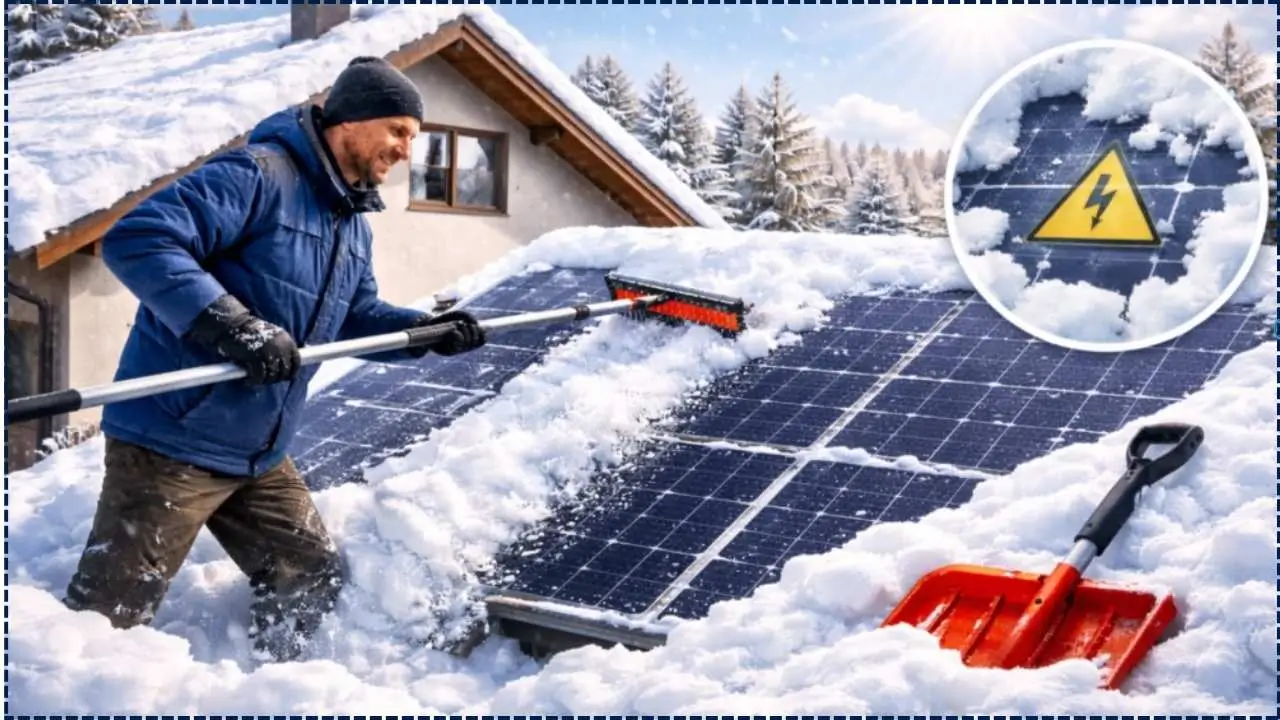

The Canada Greener Homes Loan 2026 program has closed to new applicants after the federal government halted intake in October 2025 due to exhausted funding, leaving homeowners, contractors, and policymakers grappling with a growing financing gap in Canada’s push toward energy-efficient housing.
Canada Greener Homes Loan 2026
| Key Fact | Detail |
|---|---|
| Program status | Closed to new applicants (Oct. 1, 2025) |
| Loan value | $5,000–$40,000 interest-free |
| Repayment term | 10 years |
| Total funding | ~$2.9 billion committed |
| Replacement program | Not announced (2026) |
The closure of the Canada Greener Homes Loan 2026 program highlights both the success of Canada’s push for energy-efficient housing and the challenges of sustaining large-scale financial incentives, leaving the future of residential retrofit funding uncertain as policymakers consider next steps.
Canada Greener Homes Loan 2026: A Popular Program Reaches Its Limit
The Canada Greener Homes Loan 2026 program, once a central pillar of the federal government’s climate strategy, is no longer open to new applicants. Introduced to accelerate residential energy efficiency, the initiative offered interest-free loans of up to $40,000 for home retrofits.
The program’s closure on October 1, 2025, reflects both its success and its limitations. Officials confirmed that available funding had been fully allocated, following strong demand from homeowners across the country.
The loan complemented the earlier Canada Greener Homes Grant, creating a combined incentive structure aimed at reducing emissions while lowering household energy costs.
Why the Program Closed Earlier Than Expected
Demand Far Exceeded Initial Projections
The primary driver behind the closure was rapid uptake. Analysts say the program’s design—particularly its zero-interest structure—made it highly attractive during a period of elevated borrowing costs.
“Homeowners were effectively accessing government-backed financing at no cost,” said a Canadian energy economist. “That level of support accelerates adoption but also depletes funding quickly.”
Many households used the loan to install heat pumps, improve insulation, or adopt solar energy systems—investments that can significantly reduce long-term energy expenses.
Budgetary Pressures and Policy Rebalancing
The closure also reflects broader fiscal considerations. Canada has expanded climate spending across multiple sectors, including clean energy infrastructure and industrial decarbonization.
Policy experts suggest the government may now be reassessing how to distribute resources more efficiently.
“There is increasing focus on targeted interventions,” said a public policy analyst. “Broad-based programs like this may evolve into more specialized funding mechanisms.”
What Existing Applicants Need to Know
While new applications are no longer accepted, the program continues to operate for those who applied before the deadline.
Ongoing Eligibility
Approved applicants can still:
- Complete retrofit projects
- Receive loan disbursements
- Repay loans over a 10-year term
Compliance Requirements
Participants must meet strict criteria, including:
- Pre- and post-retrofit energy assessments
- Use of certified contractors
- Completion within program timelines
Failure to meet these requirements may affect eligibility for funding.
Financial Impact: What Homeowners Lose Without the Loan
The loss of the Canada Greener Homes Loan 2026 program has immediate financial implications.
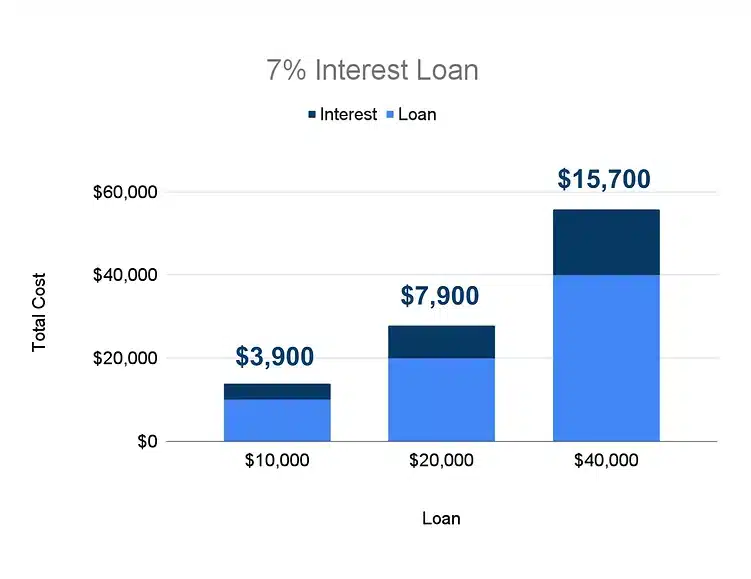
Higher Cost of Borrowing
Without access to interest-free financing, homeowners must rely on:
- Personal loans (often 6–12% interest)
- Home equity lines of credit
- Credit-based financing
This significantly increases the total cost of retrofit projects.
Payback Period Changes
Energy upgrades typically pay for themselves over time through lower utility bills. However, higher financing costs can extend payback periods. For example:
- A heat pump installation financed at 0% may break even in 7–10 years
- The same system financed at market rates could take 12–15 years
Impact on Canada’s Climate Goals
Residential Emissions at Stake
Homes account for a meaningful share of Canada’s greenhouse gas emissions, particularly due to heating systems reliant on fossil fuels. Energy retrofits are widely recognized as one of the most cost-effective ways to reduce emissions at scale.
Risk of Slower Adoption
Experts warn that removing accessible financing could slow retrofit adoption rates.“Behavioral barriers increase when upfront costs rise,” said a climate policy researcher. “Financing tools are critical to overcoming those barriers.”
Industry Reaction: Contractors and Energy Advisors
The closure has drawn mixed reactions from industry stakeholders.
Short-Term Stability
Contractors report that existing projects continue, supported by previously approved loans.
Long-Term Uncertainty
However, future demand is less predictable. “We’re seeing fewer inquiries for new projects,” said a contractor specializing in energy retrofits. “The loan was a major driver.”
Energy auditors and consultants also note a potential decline in assessments, which were required for program participation.
How Canada Compares Globally
Canada’s program was part of a broader international trend toward incentivizing residential energy efficiency.
United States
The U.S. offers tax credits and rebates under federal climate legislation, including incentives for heat pumps and insulation.
European Union
Several EU countries provide grants and low-interest loans for retrofits, often tied to strict energy performance standards.
United Kingdom
The UK has implemented various schemes, though some have faced criticism for limited uptake or administrative complexity.
Experts say Canada’s now-closed loan program was among the more generous in terms of financing terms.
What Could Replace the Program
As of 2026, no direct replacement has been announced. However, several possibilities are under discussion.
Targeted Federal Programs
Future initiatives may focus on:
- Low-income households
- Rural or remote communities
- Electrification technologies
Provincial Partnerships
The federal government may collaborate with provinces to deliver region-specific programs.
Private Sector Involvement
Banks and financial institutions could expand green financing products, potentially supported by government guarantees.
Alternatives Available to Homeowners in 2026
Provincial and Utility Programs
Many provinces continue to offer rebates for:
- Heat pumps
- Insulation upgrades
- Energy-efficient windows
Green Financing Options
Financial institutions are increasingly offering:
- Energy-efficient mortgages
- Retrofit loans with preferential terms
Municipal Initiatives
Some cities provide:
- Property-assessed financing programs
- Local grants and incentives
However, these options vary significantly by region and often do not match the scale of the federal loan.
Case Example: A Homeowner Perspective
Consider a homeowner in Ontario planning a $25,000 retrofit.
- Under the former loan program: Monthly payments spread over 10 years at 0% interest
- Under current conditions: Financing at 8% interest increases total repayment by several thousand dollars
This shift can influence whether homeowners proceed with upgrades.
Related Links
How Your Home Can Earn Money as a Power Station: The Rise of VPPs in Australia
The ‘Sun-Tax’ Reality: Why Exporting Solar Energy Might Cost You in 2026
Expert Outlook: What Comes Next
Policy analysts say the next phase of Canada’s retrofit strategy will be critical. “The demand signal is clear,” said an energy transition expert. “The question is whether policy can keep pace.”
Some experts argue that a redesigned program—possibly combining grants, loans, and regulatory measures—could deliver more targeted outcomes.
FAQs
Is the Canada Greener Homes Loan still available?
No. It closed to new applicants in October 2025.
Can I still receive funding if I applied earlier?
Yes. Existing applications are still being processed.
Why was the program so popular?
It offered up to $40,000 interest-free over 10 years, reducing upfront costs.
Will there be a replacement program?
No official announcement has been made as of 2026.
What should homeowners do now?
Explore provincial rebates, utility incentives, and green financing options.