
India’s “Give It Up” option, a voluntary scheme encouraging financially stable households to surrender LPG subsidies, is once again under scrutiny in 2026 as fuel prices climb and welfare delivery becomes more targeted.
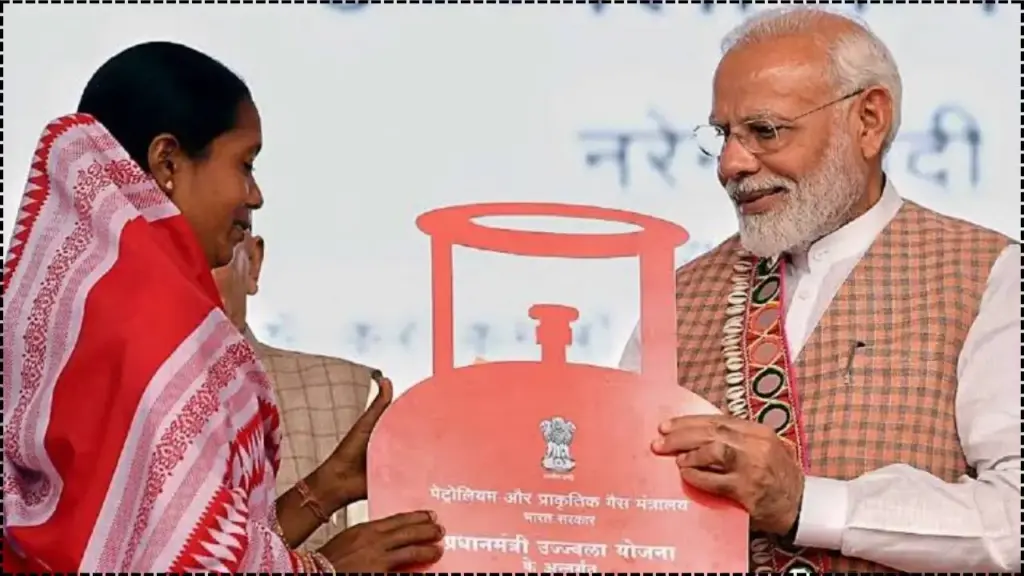
The policy raises a critical question: when should consumers opt out of central financial assistance, and when should they retain it?
Understanding the “Give It Up” Option
The “Give It Up” initiative, launched in 2015, was designed to encourage wealthier households to voluntarily forego LPG subsidies. The objective was to redirect government resources towards economically vulnerable populations.
The scheme gained early traction, with millions of consumers opting out within its first few years. Officials from the Ministry of Petroleum and Natural Gas have consistently framed it as both a fiscal reform and a social responsibility measure.
A senior ministry official said during a 2026 briefing, “The strength of this initiative lies in voluntary participation. It allows citizens to contribute directly to welfare targeting.”
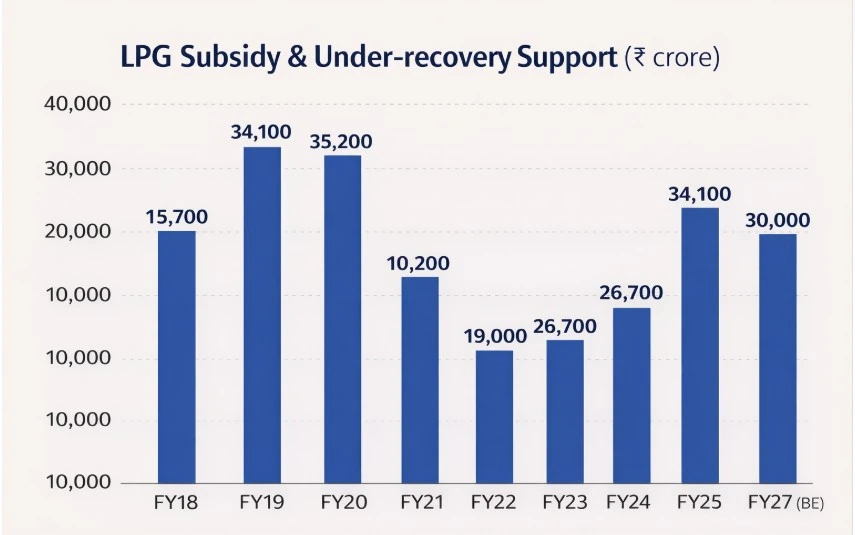
How LPG Subsidies Function in 2026
India’s LPG subsidy system now operates through Direct Benefit Transfer (DBT), ensuring that eligible consumers receive financial support directly in their bank accounts.
Current Framework
- Subsidies are targeted primarily at low-income households.
- Benefits typically range from ₹200 to ₹300 per cylinder.
- Annual limits apply to subsidised refills.
- Income thresholds (₹10 lakh per annum) determine eligibility.
According to data from public sector oil companies, LPG prices have increased due to global crude oil fluctuations and currency pressures, making subsidies more significant for eligible households.
Who Should Consider Opting Out?
High-Income Households
Households with strong financial capacity are the primary candidates for opting out. For them, the subsidy represents a minor financial benefit.
Dr. Ananya Sharma, energy policy expert, said, “Opting out by higher-income households improves targeting efficiency and strengthens the welfare system.”
Low Consumption Users
Consumers who use LPG infrequently gain limited benefit from subsidies. Opting out can simplify billing and reduce administrative complexity.
Socially Motivated Citizens
Some consumers choose to opt out as a civic gesture. The government has linked the initiative to broader goals such as:
- Expanding clean cooking access.
- Reducing indoor air pollution.
- Supporting vulnerable populations.
When Opting Out May Not Be Advisable
Middle-Class Households
For many urban and semi-urban families, LPG expenses form a meaningful part of monthly budgets. With prices nearing ₹900, subsidies remain relevant.
Borderline Eligibility Cases
Households close to the ₹10 lakh income threshold may still qualify for subsidies. Opting out prematurely may result in unnecessary financial strain.
Technical or DBT Issues
Subsidy delays often arise from:
- Aadhaar linkage problems.
- Bank account mismatches.
- KYC verification gaps.
Experts advise resolving these issues rather than opting out due to inconvenience.
Environmental and Health Implications
One of the less discussed aspects of the “Give It Up” option is its environmental and public health impact. The expansion of LPG access under schemes like PMUY has helped reduce dependence on traditional fuels such as firewood and coal.
According to studies by the World Health Organization (WHO), cleaner cooking fuels significantly lower indoor air pollution, a major cause of respiratory illnesses in India. By giving up subsidies, higher-income households indirectly support this transition.
Global Perspective: How Other Countries Handle Subsidies
India’s voluntary subsidy surrender model is relatively unique. Many countries adopt different approaches:
- Indonesia: Direct cash transfers replaced fuel subsidies.
- Brazil: Targeted welfare through conditional cash programmes.
- Egypt: Gradual subsidy reduction with compensation measures.
Economists say India’s approach combines behavioural incentives with targeted welfare, reducing political resistance while maintaining social equity.
Fiscal Impact and Government Strategy
The “Give It Up” option contributes to reducing subsidy expenditure, which has historically been a significant burden on India’s budget. According to policy analysts at the NITI Aayog, targeted subsidies:
- Improve fiscal efficiency.
- Reduce leakage.
- Enable better allocation of public funds.
However, experts caution that voluntary schemes alone cannot replace structural reforms.
Behavioural Economics: Why People Choose to Give Up
Research by the Indian Institute of Management Ahmedabad (IIMA) indicates that:
- Social recognition influences participation.
- Messaging around national development increases engagement.
- Peer behaviour affects individual decisions.
The scheme’s success in its early years was partly driven by emotional and moral appeals rather than purely financial reasoning.
Future Outlook: What Lies Ahead
As India continues to refine its welfare system, the role of voluntary mechanisms like “Give It Up” may evolve. Policy experts suggest:
- Greater integration with income data systems.
- Dynamic subsidy adjustments based on economic conditions.
- Increased digital transparency.
The government is also exploring ways to enhance awareness and simplify processes for consumers.
The “Give It Up” Option Opt Out
Consumers can opt out through official LPG provider platforms.
Steps
- Log in to the LPG provider portal.
- Select “Give Up Subsidy”.
- Confirm and submit request.
Once processed, subsidy credits are discontinued.
Related Links
Zero Bill Blueprint: A Step-by-Step Guide to Calculating Your Savings with a 3kW Rooftop System
The “Give It Up” option reflects India’s shift towards targeted welfare and citizen participation in public policy. In 2026, the decision to opt out is more complex due to rising fuel costs and evolving subsidy structures.
For financially secure households, opting out can support broader social goals. For others, retaining subsidies remains a practical necessity. The choice ultimately depends on balancing economic realities with social responsibility.
FAQs
Can I reapply for subsidy after opting out?
In some cases, reapplication may be allowed, subject to eligibility and verification.
Does opting out affect LPG supply?
No, it only impacts financial benefits, not access.
Is the scheme mandatory?
No, it is entirely voluntary.