
With solar energy adoption accelerating in India and across the globe, consumers and businesses are no longer limited to generating electricity for their own use or selling excess back to the grid.
In 2026, new business models and technologies allow solar owners to unlock additional revenue streams from their solar assets. This article explores five creative ways to make money from solar energy beyond simply selling electricity.
1. Monetising Rooftop Space: Lease Your Roof for Solar Installations
In urban and semi-urban areas, rooftop leasing is emerging as an innovative way to make money from unused rooftop space. If you have a large, unobstructed roof, you can lease it to solar developers who will install their solar panels and use the electricity generated.
How It Works:
- Solar developers will install a solar system on your roof at no cost, and you’ll receive a fixed lease payment or a share of the revenue generated from the electricity.
- This is particularly useful for homeowners, office buildings, shopping malls, and industrial properties that want to profit from their rooftop real estate but may not have the capital to install solar systems themselves.
Potential Earnings:
Depending on the location and available space, you can earn anywhere between ₹20,000 to ₹50,000 per year just by leasing your roof for solar installations. This arrangement can be a win-win for both parties as it helps developers expand their installations and allows property owners to earn passive income.
Examples:
Companies like Tata Power Solar and Amplus Solar are already operating in this space, working with property owners to install solar panels and generate mutual benefits.
2. Solar Storage as a Service (SSaaS)
With the growing demand for energy storage to complement solar power, Solar Storage as a Service (SSaaS) is becoming an increasingly lucrative way to make money from solar panels. By offering your battery storage capacity to grid operators or other consumers, you can generate revenue.
How It Works:
- Solar systems with battery storage can store excess energy during the day for use at night. Through SSaaS, you can lease your battery storage to utility companies or other entities during off-peak times, enabling them to manage grid demand and supply effectively.
- For example, during high demand, your stored solar energy can be used to support grid stability, reducing the need for fossil fuel-based backup power.
Potential Earnings:
The payment is typically based on the amount of energy stored and released during peak times. The global market for energy storage systems is expected to exceed $16 billion by 2030, creating potential for both individual and corporate profits.
Case Study:
Tesla Powerwall, a household battery storage system, has made it easier for users to store energy and even sell it back to utilities through its Virtual Power Plant (VPP) programs.
3. Solar Energy Trading: Become a Broker for Solar Credits
Solar energy trading is an emerging opportunity where individuals or businesses that generate excess solar energy can sell solar renewable energy certificates (SRECs). These certificates are essentially tradable commodities that represent the environmental value of energy produced from renewable sources.
How It Works:
By generating solar power, you earn one SREC for each megawatt-hour of electricity your system produces. You can then sell these certificates to utilities or companies that need to meet government-mandated renewable energy requirements. In some countries, these certificates are sold on open markets, and the value fluctuates depending on supply and demand.
Potential Earnings:
The price for an SREC can range from ₹300 to ₹1,500 per certificate, depending on your local market and government regulations. Selling SRECs can provide a steady revenue stream, especially in regions with strong renewable energy standards.
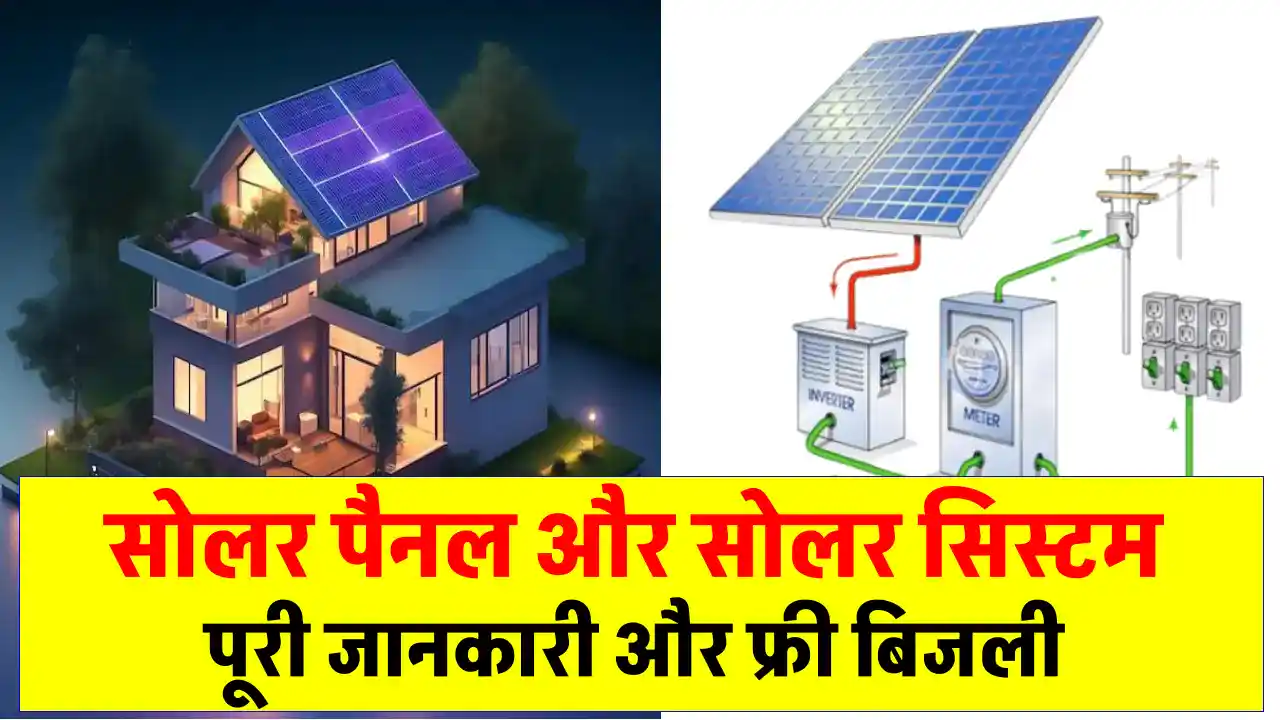
सिर्फ एक बार खर्च, सालों तक फ्री बिजली! जानिए क्या है सोलर पैनल और कैसे बचा सकते हैं हजारों का बिल!
Global Trend:
In the U.S., SREC markets have been active for years, where participants in states like Massachusetts and New Jersey regularly trade these certificates, earning thousands annually. The trend is beginning to catch on in India as well.
4. Peer-to-Peer (P2P) Energy Sharing
Peer-to-peer energy sharing platforms are changing the way we think about energy distribution. These platforms allow solar power producers to share excess energy with neighbours or local communities, receiving payments directly for their contribution.
How It Works:
- Through blockchain technology and decentralised platforms, solar owners can sell energy directly to consumers in their locality. This eliminates the middleman (utility companies) and enables more competitive pricing for buyers and better compensation for solar producers.
- The energy is typically sold via smart contracts, ensuring transparency and automatic payment for the energy exchanged.
Potential Earnings:
By connecting with local buyers, you could earn ₹3,000 to ₹7,000 per month, depending on how much excess energy you produce and how competitive the local energy market is.
Example in Action:
Power Ledger, an Australian company, has already rolled out its blockchain-based platform for energy trading in several countries. The system allows users to buy and sell electricity in real-time.
5. Solar-Powered Electric Vehicle (EV) Charging Stations
With the rise of electric vehicles, the demand for EV charging infrastructure is surging. Solar-powered EV charging stations present a profitable opportunity, especially in urban areas, where people are increasingly moving toward electric transportation.
How It Works:
- Install a solar system that powers EV chargers in your business or residential area. You can offer customers the opportunity to charge their electric cars while also taking advantage of solar power savings.
- By setting up a network of solar-powered chargers, you can charge a premium fee for the use of the facilities or offer subscription-based services for regular users.
Potential Earnings:
Charging stations can generate steady income by charging customers per session or through monthly subscription models. According to industry projections, the EV charging market in India could grow by 50% annually, providing high return potential for investors.
Business Potential:
Mahindra Electric and Tata Power are already investing heavily in solar-powered EV charging infrastructure in India. Their growing network provides a roadmap for individuals and small businesses to tap into this profitable market.
Related Links
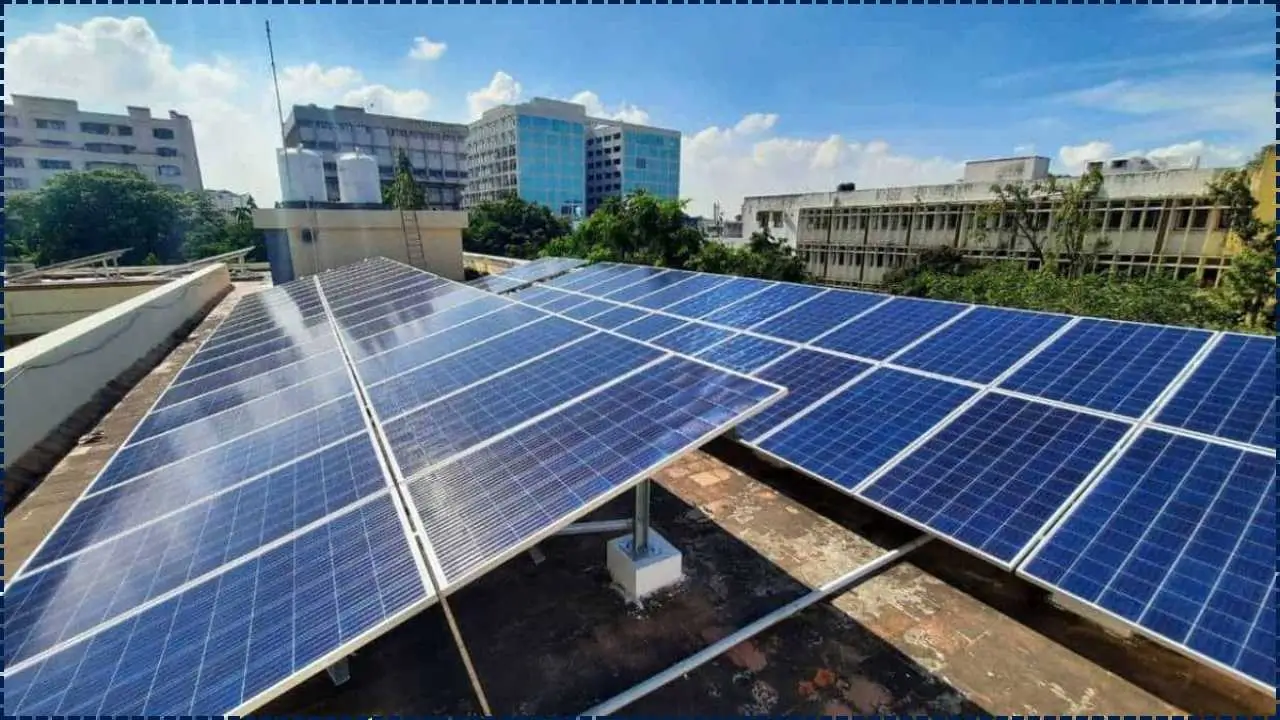
Monetising Solar Energy Beyond Electricity Generation
While selling electricity back to the grid remains a popular way to profit from solar energy, the innovative monetisation strategies outlined here open new opportunities for consumers to make the most of their solar investments.
Whether through leasing rooftops, offering energy storage services, engaging in solar energy trading, or setting up EV charging stations, solar energy offers a range of business models that can generate consistent income.
By diversifying solar investments and leveraging emerging technologies, homeowners, businesses, and entrepreneurs can tap into a wealth of new revenue streams, making solar energy a powerful tool for both sustainability and profitability in 2026 and beyond.
FAQs
Q1: How can I start a solar business if I don’t have a solar system?
A1: You can invest in solar storage, solar brokerage, or even partner with property owners to lease rooftop space for solar installations. All these business opportunities require minimal initial investment.
Q2: How much money can I make from solar energy trading?
A2: The amount varies, but selling solar renewable energy certificates (SRECs) can earn anywhere from ₹3,000 to ₹15,000 annually, depending on local energy markets and your solar output.
Q3: Are solar-powered EV chargers profitable?
A3: Yes, they are a rapidly growing business model. By installing solar-powered charging stations, you can either charge per session or offer subscription-based services to generate steady income, with projected returns in the range of ₹5,000–₹20,000 monthly per station.