A common concern among homeowners is whether solar panels make their roofs hotter, especially during colder months when the sun is lower in the sky. Contrary to popular belief, solar panels do not increase roof temperatures; instead, they often help keep the roof cooler and enhance the energy efficiency of your home.
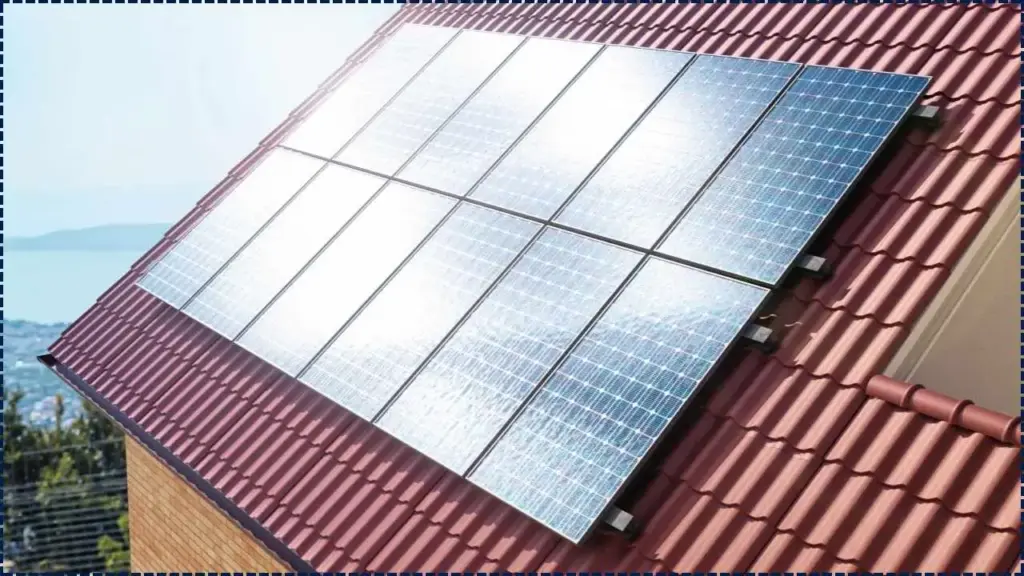
This article explains the truth about solar panels’ impact on roof temperatures in winter and how they contribute to better energy management.
The Science Behind Solar Panels and Roof Temperature
Solar panels work by converting sunlight into electricity. When sunlight hits the panels, it generates both electricity and heat, but not in the way that might be expected.
Panels are designed to absorb sunlight and convert most of the energy into usable electricity, while some of it is converted to heat. However, this heat is not transferred directly to the roof.
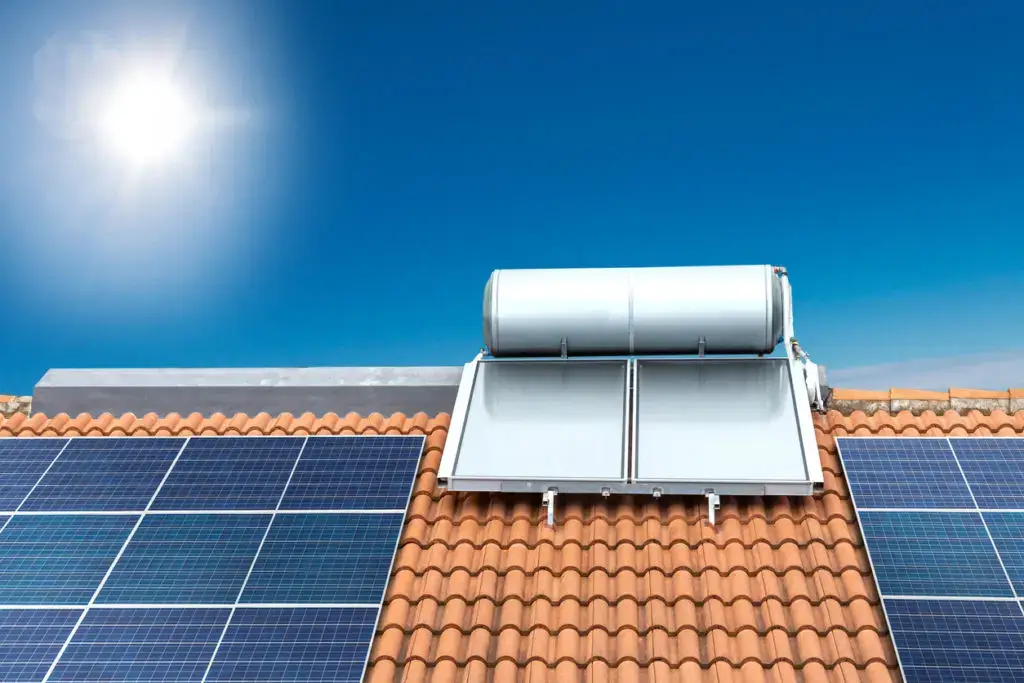
Instead, the panels actually provide shade to the roofing material, which helps reduce direct solar radiation from reaching the roof. This phenomenon can actually cool the roof and lower the amount of heat absorbed by roofing materials.
This effect is especially noticeable in warmer climates or urban areas with dark, heat-absorbing rooftops. Studies have shown that panels can reduce the roof temperature by 5 to 15 degrees Celsius, which can help lower the demand for cooling in the summer months.
In winter, the cooler temperatures enhance the performance of solar panels, which function better when cooler. When the temperature rises above the optimal operating temperature, typically around 25°C, the efficiency of photovoltaic (PV) cells starts to decline.
Do Solar Panels Make Your Roof Hot: The Effect of Solar Panels on Roof Heat in Winter
The common misconception that solar panels make your roof hotter in winter is rooted in misunderstanding how heat transfer works with solar technology. Do Solar Panels Make Your Roof Hot debunks this myth by explaining how solar panels reduce heat buildup in roofing systems.
Why Solar Panels Keep Roofs Cooler in Winter
- Shading Effect: When installed, solar panels act as a shade layer for the roof, preventing direct sunlight from reaching the roofing materials. This reduces the amount of heat the roof absorbs from the sun, which is particularly important in summer but still beneficial in winter, as roofs are less exposed to harsh sunlight anyway.
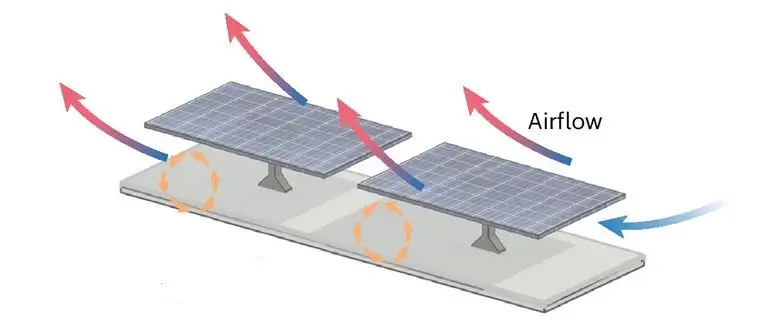
- Air Circulation: Solar panels are typically mounted a few inches above the roof surface, allowing air to circulate beneath them. This creates a natural cooling effect that helps dissipate the heat absorbed by the panels.
- Reduced Direct Solar Radiation: Especially in winter, when the sun’s angle is lower, solar panels absorb the majority of direct sunlight, preventing it from warming up the roofing material. In essence, the panels act as an insulating barrier, keeping the roof cooler.
The Real Impact of Solar Panels on Roof Temperature in Cold Climates
Contrary to what one might assume, the winter season can actually increase solar panel efficiency. While snow and fog might obstruct light temporarily, the cooler temperatures allow the solar panels to operate at higher efficiency than they would in hot weather.
As the temperature decreases, solar cells experience less voltage drop, which translates into better performance.
Snow and Ice in Winter
In colder climates, snow accumulation on the panels is a potential concern, but this doesn’t necessarily mean less solar production. Panels are designed with sufficient tilt angles to allow snow to slide off naturally.
Even when snow does accumulate, sunlight can often melt it, and solar panels generally perform well in diffuse light, typical of overcast or snowy days.
In winter, panels can still absorb enough diffused sunlight to produce energy, even in foggy conditions, as fog or mist usually doesn’t block all light. In fact, solar panels still work efficiently in these conditions because they are designed to capture both direct and diffuse sunlight.
How Roof Material Affects Solar Panel Efficiency
The material of your roof plays a significant role in how effective solar panels are at keeping your roof cooler. Roofing materials like metal or reflective materials have lower thermal mass, meaning they don’t retain heat as much as darker, heavier materials like asphalt shingles.
This makes solar panels installed on such roofs even more effective at cooling the structure. For instance, a metal roof often works well in combination with solar panels because it reflects sunlight, while also benefiting from the cooling effect provided by the panels.
Conversely, darker roofing materials like tiles or shingles can absorb a lot of heat, but the shading effect of solar panels still reduces the heat absorbed by the roof.
Do Solar Panels Make Roofs Hotter in Cities?
In urban areas, solar panels help mitigate the urban heat island (UHI) effect, where cities become hotter than rural areas due to human activity and dark surfaces absorbing heat. By shading roof surfaces, solar panels can reduce the roof temperature significantly.
Studies have shown that this cooling effect can have an impact on the surrounding environment, reducing the demand for air conditioning and cutting down on energy use.
Researchers from the Indian Institute of Technology (IIT) found that rooftops with solar panels are significantly cooler than those without, especially during the summer months. In a recent study, solar rooftops in Delhi helped to decrease temperatures on the roofs by up to 10 degrees Celsius.
Winter Performance: Myths vs Facts
Myth #1: Solar panels don’t work in winter.
Fact: Solar panels still generate power in winter. Cold temperatures actually improve performance, especially when there is indirect sunlight. Even in cloudy or foggy conditions, panels continue to capture diffused sunlight.
Myth #2: Snow or ice will ruin the performance of solar panels.
Fact: Snow and ice may temporarily block sunlight, but solar panels are designed to shed snow naturally with proper tilt. Plus, once the snow melts, panels often perform better due to lower ambient temperatures.
Myth #3: Solar panels cause roof heat during winter.
Fact: Panels actually reduce heat buildup by shading the roof, and they help keep roofs cooler by preventing direct sunlight exposure.
How Solar Panels Contribute to Lower Energy Bills in Winter
The cost savings from installing solar panels extend beyond energy production. The cooling effect of the panels reduces the need for air conditioning in the warmer months, and in winter, the energy generated can help offset heating costs by reducing the reliance on conventional grid electricity.
On average, homes with solar panel systems can reduce their annual energy costs by up to 30%. The return on investment is typically seen in the form of energy savings over time, rather than an immediate impact on roof temperature.
Related Links
Beyond Generation: 5 creative ways to make money from Solar Energy without just selling electricity
India’s Export Leap! How the Green Hydrogen jump is making these 3 Indian companies global leaders
The Surprising Truth About Solar Panels in Winter
Do solar panels make your roof hot in winter? The simple answer is no. In fact, solar panels tend to cool the roof by providing shade, reducing the amount of heat that the roofing materials absorb from sunlight.
Not only do they improve your roof’s thermal regulation, but they also help enhance energy efficiency, especially in colder temperatures. In addition to protecting your roof from heat buildup, solar panels provide reliable energy output in winter, even under overcast or foggy conditions.
The cooling and performance benefits of solar panels continue to make them an attractive option for homeowners, particularly in urban areas prone to high temperatures or pollution.
By addressing myths and shedding light on the science of how solar panels work, it’s clear that solar energy is an efficient and sustainable solution for homes, regardless of the season.