As the demand for electronic devices grows, so too does the amount of electronic waste (e-waste). With millions of laptops discarded each year, lithium-ion batteries — often the heart of these devices — represent a major environmental challenge.
However, rather than adding to the growing pile of e-waste, old laptop batteries are now being repurposed into valuable energy storage systems.
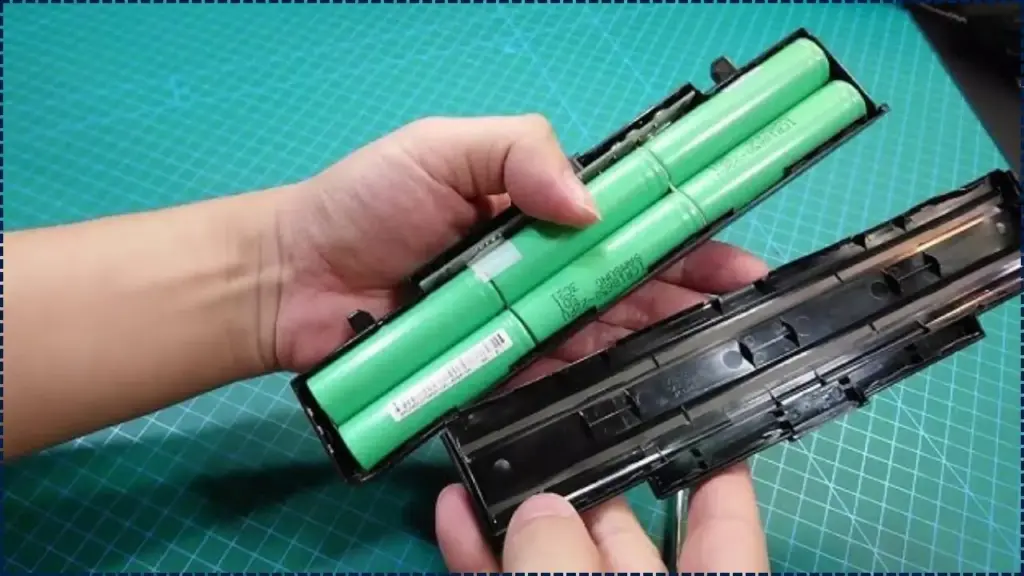
This process, known as second-life battery repurposing, offers a sustainable solution to e-waste while providing cost-effective, renewable energy options for consumers and businesses.
Repurposing old laptop batteries into power banks and energy storage systems is a promising business idea with environmental benefits. It addresses two critical issues: the growing volume of e-waste and the increasing demand for affordable, efficient energy storage solutions.
This article explores the opportunities, challenges, and future potential of turning old laptop batteries into usable power sources, shedding light on how the business idea is gaining momentum worldwide.
How Second-Life Batteries Work: Repurposing E-Waste into Energy
What Are Second-Life Batteries?
Second-life batteries are lithium-ion cells that no longer perform optimally in their original electronic devices (like laptops) but still retain usable energy for other applications. These batteries are disassembled, tested, and reassembled into energy storage systems for use in solar-powered homes, electric vehicles, power banks, and backup power units.
The Repurposing Process
The first step in repurposing old laptop batteries is the collection of discarded or non-functional devices. Once these batteries are gathered, they undergo a thorough testing and sorting process to determine which cells still have sufficient charge and capacity for secondary use.
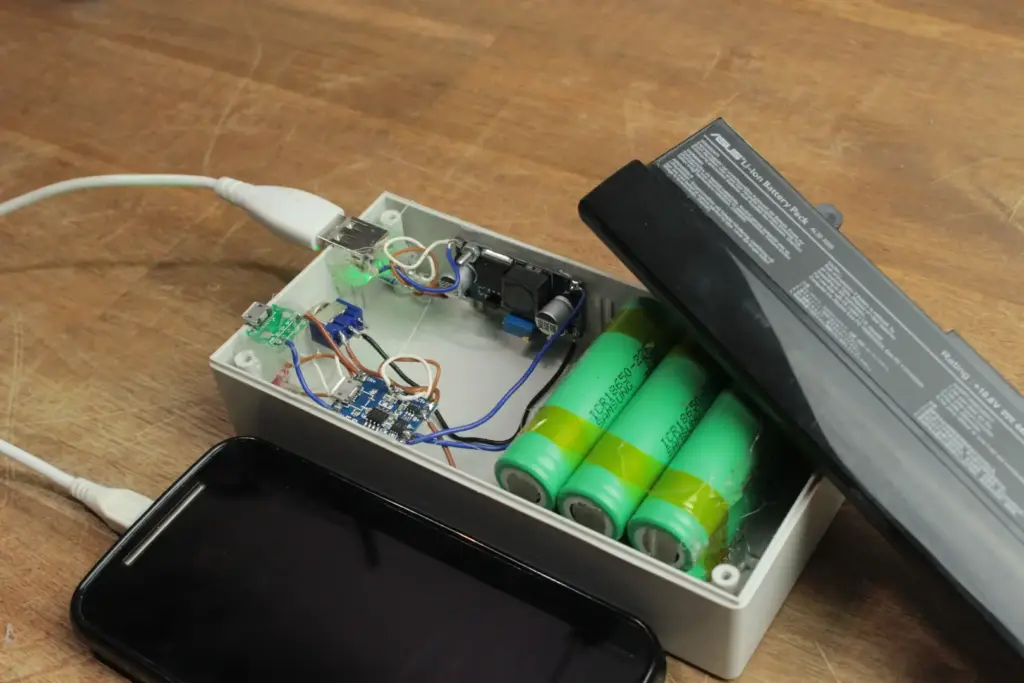
Those that pass testing are carefully reassembled and integrated into battery management systems (BMS) to balance charging and discharging and ensure safety. Repurposed batteries can be used for various energy applications, including:
- Portable power banks;
- Home energy storage systems;
- Off-grid energy solutions;
- Solar energy storage;
- Electric vehicle (EV) charging.
Market Demand and Economic Potential
The Growing Demand for Affordable Energy Storage
As solar power and wind energy continue to expand, one of the biggest challenges in renewable energy is storing excess energy for use when the sun isn’t shining or the wind isn’t blowing. Energy storage systems (ESS) are crucial to balancing the intermittency of renewable sources.
Second-life batteries offer an affordable, sustainable solution for energy storage, especially in remote areas or off-grid locations. They can provide cost-effective storage for homeowners who install solar panels, allowing them to store power generated during the day for use at night.
As energy storage markets grow globally, second-life batteries could meet a significant portion of the demand, while keeping costs low.
For example, the global energy storage market is projected to grow significantly, from an estimated $9.8 billion in 2020 to over $15.7 billion by 2025, driven by the increasing use of renewable energy and electric vehicles. As the price of second-life batteries continues to drop, their adoption is expected to surge.
Economic Implications for Consumers and Businesses
The repurposing of laptop batteries could create affordable power storage for everyday consumers. In comparison to new lithium-ion batteries, second-life batteries cost far less to manufacture, making them an attractive option for businesses and consumers alike.
For businesses, battery repurposing could be a new revenue stream and market niche. Companies involved in e-waste recycling, battery testing, and energy storage can capitalize on the demand for affordable energy solutions, especially as industries and governments push for clean energy and sustainable practices.
Additionally, startups and entrepreneurs can enter the market by offering second-life energy storage solutions to homeowners, electric vehicle owners, and small businesses, providing a valuable product at a lower cost than traditional energy storage systems.
Environmental Benefits: Tackling E-Waste and Sustainability
Reducing E-Waste
The growing volume of electronic waste is one of the most pressing environmental issues of the 21st century. According to the United Nations, the world generates 53 million tons of e-waste annually, and only about 20% of it is properly recycled.
By repurposing laptop batteries, companies and consumers help divert millions of batteries from landfills, reducing the environmental damage caused by toxic materials like cadmium, mercury, and lead that leach from old batteries into the soil and water.
Resource Conservation
Lithium-ion batteries are made from valuable raw materials, including lithium, cobalt, nickel, and copper. Mining for these resources is resource-intensive and often harmful to the environment.
By repurposing old batteries, businesses reduce the need for new mining and material extraction, contributing to a more sustainable economy and lowering the carbon footprint of battery production.
Supporting the Circular Economy
The concept of the circular economy — where products are reused, refurbished, and recycled rather than discarded — is central to the second-life battery model. By giving old laptop batteries a second chance, businesses and consumers participate in an economy of reuse, which benefits both the environment and the economy.
Challenges to Repurposing Laptop Batteries
Safety and Performance Issues
One of the biggest challenges in repurposing old laptop batteries is ensuring safety. Although many used batteries retain residual energy, their performance may be unpredictable. Cells must be thoroughly tested and balanced before they can be used in energy storage applications.
Without a proper Battery Management System (BMS), the risk of overcharging, overheating, or short-circuiting could lead to fires or explosions.
To address these risks, industry standards and safety protocols need to be developed, and advanced testing techniques should be used to ensure the long-term reliability and safety of second-life battery systems.
Regulatory and Legal Barriers
Different countries have varying regulations around battery disposal, waste management, and energy storage systems. Navigating these legal landscapes is crucial for companies operating in the second-life battery market. Businesses must ensure compliance with local laws and industry standards for handling and repurposing e-waste.
Real-World Examples and Industry Adoption
Several companies and organizations are already making strides in second-life battery applications. For example, Redwood Materials, a company co-founded by Tesla’s former CTO JB Straubel, has started repurposing used EV batteries for use in energy storage.
Their work is a significant step forward in the circular battery economy. In another example, Northvolt, a Swedish company specializing in sustainable battery production, is working to create a circular battery supply chain by using recycled batteries and second-life materials.
They plan to incorporate second-life batteries into their energy storage systems for homes and businesses.
Global Policies Driving Adoption
The European Union and other regions are increasingly pushing for policies that encourage the reuse and recycling of e-waste. For instance, the EU Battery Directive sets guidelines for battery recycling and second-life usage, aiming to boost sustainable battery usage and reduce dependence on raw material extraction.
Similarly, extended producer responsibility (EPR) programs are encouraging companies to take responsibility for the recycling and reuse of their products after their initial use, helping to create a market for second-life battery solutions.
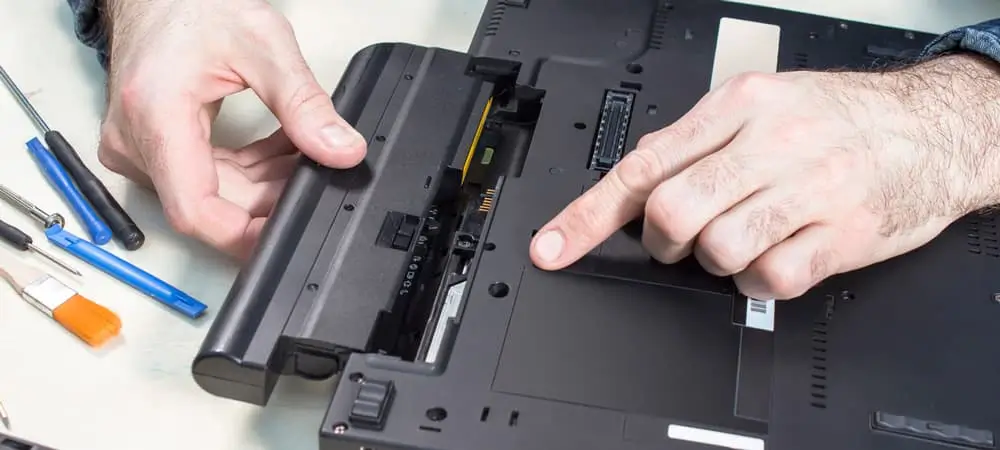
Governments are likely to support this trend with incentives, subsidies, and tax breaks for businesses that develop energy solutions using second-life batteries.
Related Links
Don’t Throw Away Old Solar Panels! New Indian Plant Extracts Silver and Silicon from Waste.
A Bright Future for Second-Life Batteries
Turning old laptop batteries into power banks and energy storage systems is an innovative solution that has the potential to reshape the e-waste recycling industry and energy storage market.
This business idea not only addresses the growing problem of e-waste but also provides affordable, sustainable energy solutions for consumers worldwide. With the right technology, regulations, and market adoption, second-life batteries could play a pivotal role in the transition to a cleaner, more sustainable future.
As global policies continue to evolve and the demand for energy storage grows, businesses that invest in second-life battery solutions will have a significant opportunity to capitalize on this emerging market, driving both economic and environmental benefits.