Ecomembrane Unit Invests €540,000 in Land for New Solar Power Plant, marking a significant step by the Italian energy technology company into photovoltaic development.
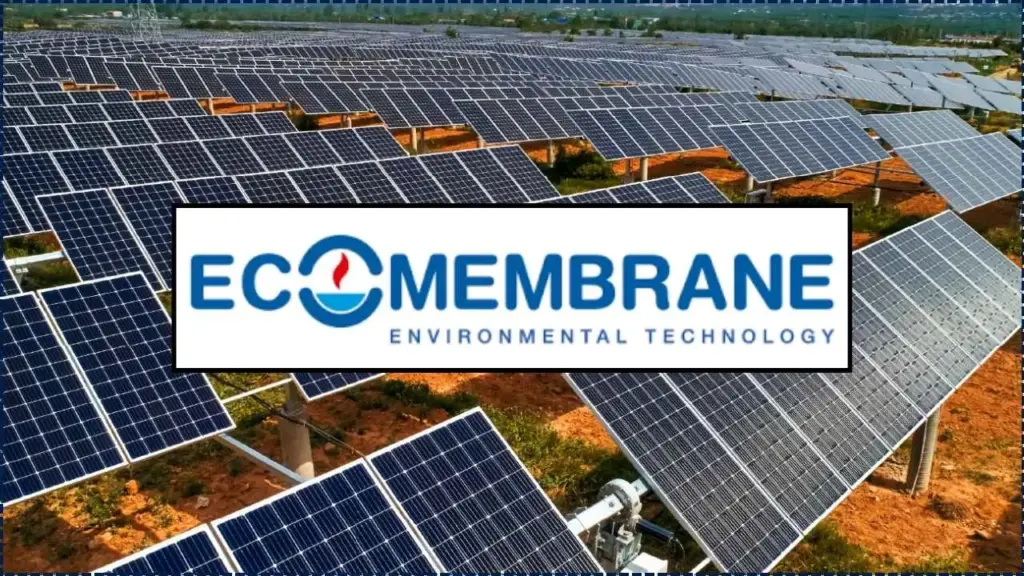
The acquisition, completed through a subsidiary in northern Italy, reflects broader industry trends as companies diversify into solar energy amid Europe’s accelerating transition toward low-carbon power sources.
Ecomembrane Unit Invests €540,000
| Key Fact | Detail/Statistic |
|---|---|
| Investment Value | €540,000 |
| Location | Pescarolo ed Uniti, Italy |
| Project Type | Solar photovoltaic plant |
| Financing | Bank debt-backed |
| Market Reaction | Approx. +26% share increase |
| Sector Trend | Rising solar investment across EU |
Ecomembrane’s Entry Into Solar Development
The €540,000 acquisition was executed through a subsidiary linked to Ecomembrane S.p.A., a company historically focused on biogas upgrading and gas storage systems. The land will be used to develop a photovoltaic (PV) solar plant, subject to regulatory approvals.
The move represents a strategic pivot into solar energy, a sector widely viewed as central to Europe’s future energy mix. While Ecomembrane has built its reputation in renewable gas technologies, expanding into solar allows it to diversify revenue streams and reduce exposure to a single segment.
“This type of investment shows how mid-sized energy technology firms are repositioning themselves,” said Andrea Conti, an energy transition analyst based in Rome. “Solar offers scalability, relatively predictable returns, and alignment with regulatory priorities.”
Europe’s Renewable Energy Push Driving Investment
The Ecomembrane Unit Invests €540,000 in Land for New Solar Power Plant initiative comes as Europe intensifies efforts to reduce reliance on fossil fuels. The European Union’s Green Deal aims for climate neutrality by 2050, with solar energy playing a central role.
According to the International Energy Agency (IEA), solar photovoltaic capacity is expected to dominate global renewable expansion through the end of the decade. In Europe, solar installations have surged due to a combination of policy incentives and rising electricity demand.
Key Drivers Behind Solar Growth
- Energy security concerns following geopolitical disruptions
- Declining solar panel costs, making projects more viable
- Government incentives, including feed-in tariffs and tax credits
- Corporate sustainability commitments across industries
“Solar is often the fastest technology to deploy,” said Dr. Elisa Romano, a renewable energy researcher at Politecnico di Milano. “Projects like this reflect how quickly companies are adapting.”
Financing Strategy and Market Reaction
The acquisition was financed through bank debt, indicating lender confidence in the project’s potential returns. Renewable energy projects are often structured using debt due to their stable, long-term cash flow potential once operational.
Following the announcement, Ecomembrane’s shares reportedly surged by around 26%. Analysts attribute this to investor optimism regarding the company’s expansion into high-growth renewable sectors.
“Investors are rewarding companies that align with decarbonization trends,” said Marco Bellini, a Milan-based financial analyst. “Solar projects can provide steady income through power purchase agreements.”
Project Economics: Costs, Returns, and Revenue Potential
While the €540,000 investment covers land acquisition, total project costs will be significantly higher once construction, equipment, and grid connection are included.
Typical Solar Project Cost Breakdown
- Land acquisition: ~5–10%
- Solar panels and equipment: ~50–60%
- Installation and labor: ~20–25%
- Grid connection and permits: ~10–15%
Revenue is typically generated through:
- Long-term electricity sales contracts (PPAs)
- Government-backed tariffs or incentives
- Wholesale electricity market participation
“Returns depend on regulatory frameworks and electricity prices,” said Bellini. “But solar projects are generally considered low-risk compared to other energy investments.”
Regulatory and Permitting Challenges
Before construction begins, the project must secure environmental and grid connection approvals. In Italy, permitting processes can be complex, although reforms aim to accelerate renewable deployment.

Local authorities in Pescarolo ed Uniti will assess:
- Environmental impact
- Land-use compatibility
- Infrastructure requirements
“Permitting delays remain one of the biggest barriers,” said Dr. Romano. “However, governments are under pressure to speed up approvals.”
Grid Integration and Infrastructure Considerations
A critical factor in the success of the project will be its ability to connect efficiently to the electricity grid. Europe’s rapid expansion of renewable energy has placed strain on grid infrastructure.
Challenges include:
- Limited grid capacity in some regions
- Intermittency of solar generation
- Need for energy storage solutions
Experts say grid modernization and battery storage will be essential for maximizing solar output.
Environmental and Community Impact
Environmental Benefits
The solar plant is expected to reduce carbon emissions by replacing fossil fuel-based electricity. Solar energy produces no direct emissions during operation, making it a key tool in climate mitigation.
Local Impact
The project could generate:
- Temporary construction employment
- Long-term maintenance jobs
- Additional municipal tax revenue
However, environmental groups emphasize careful land use planning to avoid biodiversity loss and preserve agricultural value.
Industry Trend: Energy Companies Diversifying
Ecomembrane’s move mirrors a broader shift across the energy sector. Companies traditionally focused on gas, oil, or single renewable technologies are diversifying into solar and wind.
This approach offers several advantages:
- Reduced business risk
- Access to new revenue streams
- Alignment with ESG (Environmental, Social, Governance) criteria
“Diversification is becoming essential,” said Conti. “Investors and regulators both expect companies to evolve.”
Competitive Landscape in Italy’s Solar Market
Italy has become an increasingly attractive market for solar investments due to:
- High solar irradiation levels
- Supportive policy frameworks
- Growing electricity demand
Major players include utilities, independent power producers, and infrastructure funds. Smaller firms like Ecomembrane are entering the market through targeted investments.
The Carbon Border War: How "Green Tariffs" are Redefining the Global Trade of Solar Modules
Risks and Uncertainties
Despite strong growth prospects, solar projects face several risks:
- Regulatory delays
- Fluctuating electricity prices
- Supply chain disruptions
- Community opposition
Additionally, interest rate changes can affect financing costs, particularly for debt-funded projects.
Future Outlook for Ecomembrane
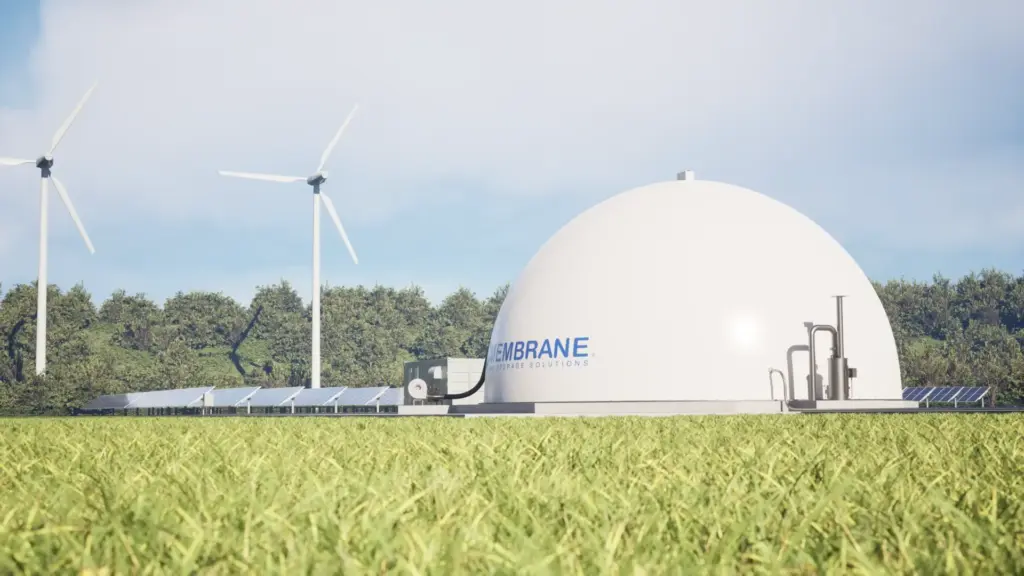
The Ecomembrane Unit Invests €540,000 in Land for New Solar Power Plant project may represent an early step in a broader renewable expansion strategy. Analysts suggest that success could lead to additional investments across Italy and Europe.
The company’s ability to execute the project efficiently will be closely watched by investors and industry observers.
Related Links
The land acquisition underscores a pivotal moment for Ecomembrane as it expands into solar energy. While still in its early stages, the project reflects wider shifts in Europe’s energy landscape, where companies are rapidly adapting to meet climate goals, investor expectations, and evolving market dynamics.
FAQs
Why did Ecomembrane invest in solar energy?
To diversify its renewable energy portfolio and align with growing demand for clean electricity.
What is the expected benefit of the project?
Reduced carbon emissions, new revenue streams, and contribution to local energy supply.
When will the solar plant be operational?
The timeline depends on regulatory approvals and construction progress.
Is solar investment growing in Europe?
Yes, solar is one of the fastest-growing renewable energy sources in the region.