
Renewable energy developer Elmya has commenced construction of a large hybrid renewable facility combining solar generation and battery storage in Fife, marking a significant step in the United Kingdom’s evolving clean energy landscape.
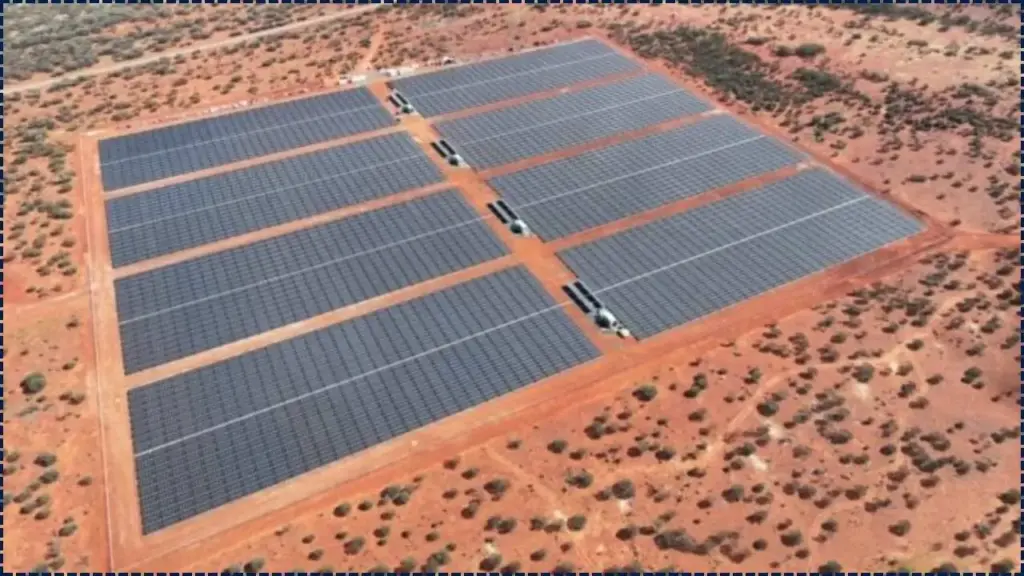
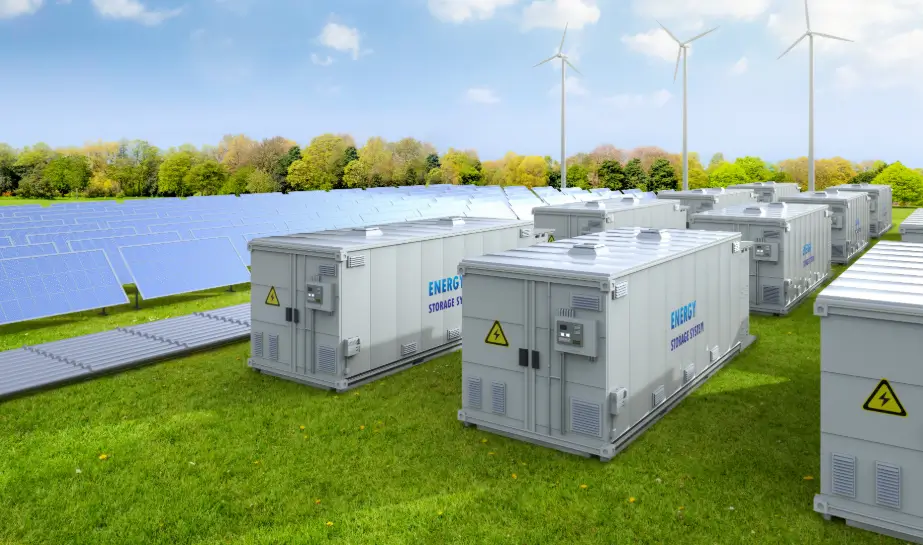
The project integrates a 30 megawatt-peak (MWp) solar photovoltaic (PV) plant with a 20 megawatt / 40 megawatt-hour (MWh) battery energy storage system (BESS) at a single site.
The development reflects a broader shift toward hybrid energy assets designed to improve grid reliability, manage renewable intermittency, and support national decarbonization targets. Construction began in early 2026, with Elmya overseeing engineering, procurement, construction, and grid connection works.
Industry analysts say the project underscores how solar-plus-storage systems are becoming central to energy system planning in the UK, particularly as renewable penetration increases and grid flexibility becomes more critical.
Elmya Breaks Ground on Major Solar-Plus-Storage Hybrid Site in Scotland
The moment Elmya Breaks Ground on Major Solar-Plus-Storage Hybrid Site in Scotland represents more than the start of construction. It signals a strategic commitment to co-located renewable assets that combine generation and storage to strengthen energy security.
Hybrid systems allow solar electricity generated during daylight hours to be stored and dispatched later. This capability addresses one of solar power’s central challenges: variability. Solar generation peaks at midday, while demand often rises in the evening. Battery storage bridges that gap.
According to project details released by the company, the 40 MWh battery component will store surplus solar output and release electricity during periods of higher demand or lower generation. This improves grid stability and enables participation in ancillary services markets.
Project Scope and Technical Design
Solar Photovoltaic Component
The 30 MWp photovoltaic array will generate clean electricity during daylight hours. While Scotland has lower solar irradiation than southern Europe, advances in panel efficiency and falling equipment costs have improved project viability in northern climates.
Energy researchers note that modern PV modules perform effectively even in cooler temperatures, which can improve panel efficiency compared with hotter climates. Scotland’s long summer daylight hours also contribute to seasonal output gains.
Battery Energy Storage System (BESS)
The 20 MW / 40 MWh battery installation will allow the facility to discharge stored energy for up to two hours at full capacity. Battery systems of this scale can provide several grid services, including:
- Frequency response
- Voltage regulation
- Capacity market participation
- Energy arbitrage
Battery storage plays an increasingly important role in stabilizing grids with high shares of wind and solar power.
Why Hybrid Renewable Projects Matter in the UK
Growing Renewable Penetration
The United Kingdom has committed to achieving net-zero greenhouse gas emissions by 2050. As renewable generation expands — particularly offshore wind and solar — grid operators must manage increased variability.
According to data from the UK’s Department for Energy Security and Net Zero, renewable sources already account for a substantial share of electricity generation, with wind leading. However, greater solar deployment and electrification of transport and heating are expected to raise system complexity.
Hybrid solar-plus-storage facilities help reduce curtailment, which occurs when renewable energy cannot be used due to grid limitations. By storing excess output, these systems increase renewable utilization rates.
Enhancing Grid Flexibility
Grid flexibility refers to the ability of the electricity system to respond to changes in supply and demand. Storage assets are widely viewed by energy economists as one of the most cost-effective flexibility tools.
“Storage is no longer optional in high-renewable systems,” said Dr. Martin Hughes, an energy systems researcher at a UK university. “Hybrid projects allow renewable assets to operate more predictably and participate in multiple markets, which strengthens both grid resilience and financial sustainability.”
Elmya’s Strategic Position in the UK Market
Elmya, headquartered in Spain, has operated in renewable energy engineering and development for more than a decade. The company provides high-voltage works, grid connection services, and photovoltaic engineering solutions across Europe.

Its UK activities have expanded in recent years, supported by partnerships and a growing pipeline of storage projects. Analysts view hybrid assets as a logical next step in market evolution.
By combining solar generation and battery storage at a single site, Elmya can optimize land use, streamline permitting, and reduce grid connection costs compared with separate installations.
Economic and Community Impacts
Local Investment and Employment
Construction of the hybrid facility is expected to generate short-term employment during the build phase, including civil works, electrical installation, and grid connection tasks. Longer-term operational roles will be more limited but will contribute to local economic activity.
Renewable energy investment has become an important economic driver in parts of Scotland, particularly as traditional fossil fuel industries decline.
Land Use Considerations
Solar installations require careful land planning to minimize environmental impact. Developers typically conduct environmental impact assessments to evaluate biodiversity, drainage, and landscape effects.
Hybrid projects offer improved land-use efficiency because both generation and storage infrastructure occupy a shared footprint.
Market Opportunities and Revenue Streams
Hybrid renewable facilities benefit from diversified revenue opportunities. These can include:
- Wholesale electricity sales
- Capacity market payments
- Frequency response services
- Energy price arbitrage
Market participation strategies will depend on evolving UK electricity market rules and pricing structures.
Energy market consultant Sarah Bennett noted that hybrid assets are increasingly attractive to investors. “Co-location reduces risk by creating multiple income channels. That stability is important as energy markets fluctuate.”
Challenges Ahead
Regulatory and Grid Constraints
While hybrid systems provide advantages, developers must navigate complex regulatory frameworks and grid connection processes. In the UK, queue times for grid connections have been a persistent challenge.
Battery safety standards and fire prevention measures are also critical considerations for storage projects.
Financing and Cost Pressures
Although battery costs have fallen significantly over the past decade, they remain capital-intensive. Market volatility and interest rate fluctuations can influence project economics.
India Solar Energy Growth: भारत में सोलर सेल और मॉड्यूल के आयात में आई बड़ी गिरावट, 20% और 57% घटे
Analysts say continued policy clarity and predictable market signals will be important for sustaining hybrid development momentum.
Scotland’s Renewable Transition in Context
Scotland has long been associated with wind energy, particularly offshore wind in the North Sea. Solar deployment, while smaller, has steadily increased as technology improves.
Hybrid solar-plus-storage facilities complement wind-heavy portfolios by diversifying renewable sources. Solar output patterns differ from wind generation, offering balancing advantages.
Energy planners argue that combining wind, solar, storage, and eventually hydrogen will form the backbone of a low-carbon system.
Looking Ahead
Elmya’s hybrid project in Kinglassie is expected to contribute to Scotland’s clean energy capacity and strengthen grid flexibility once operational. As more developers pursue co-located renewable assets, hybrid systems may become standard practice rather than innovation.
Industry observers suggest that lessons from early hybrid deployments will inform future regulatory reform, grid modernization, and energy market design.
Related Links
Frozen Energy: How Canada is Harvesting Solar Power in Arctic Extremes
A Boon for Farmers! How Solar Cold Storage is Doubling Income and Slashing Waste
As Elmya Breaks Ground on Major Solar-Plus-Storage Hybrid Site in Scotland, the project highlights the growing role of integrated renewable assets in supporting grid stability and decarbonization.
By pairing solar generation with battery storage, the Kinglassie development reflects a broader transformation in how electricity systems are designed — prioritizing flexibility, resilience, and sustainable power delivery for the decades ahead.
FAQs
What is a solar-plus-storage hybrid site?
It is a facility that combines solar photovoltaic generation with battery storage, allowing surplus electricity to be stored and released later to improve grid stability.
Why is storage important for renewable energy?
Storage balances supply and demand by managing the variability of solar and wind generation, reducing curtailment, and supporting grid reliability.