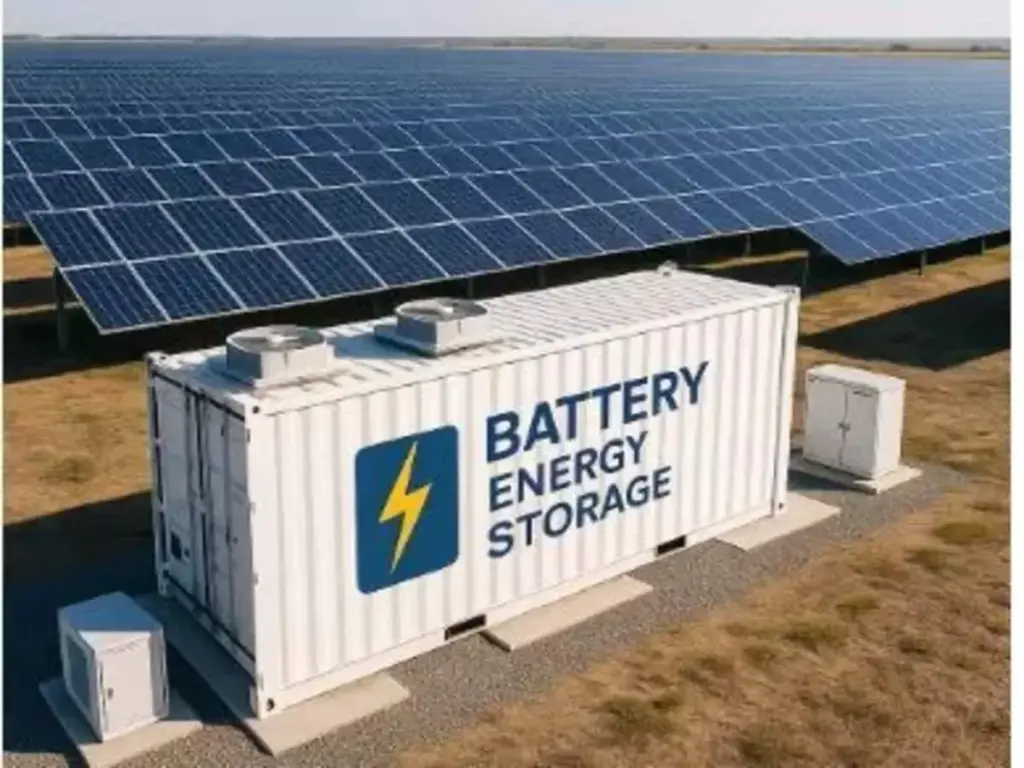
Elmya, a Spanish renewable energy developer, has officially begun construction on a 30 MWp solar power plant and 40 MWh battery energy storage system (BESS) in Kinglassie, Scotland.
This project marks Elmya’s first integrated solar-plus-storage initiative in the UK and will provide both clean energy generation and energy storage capabilities to support grid stability and the UK’s renewable energy transition.
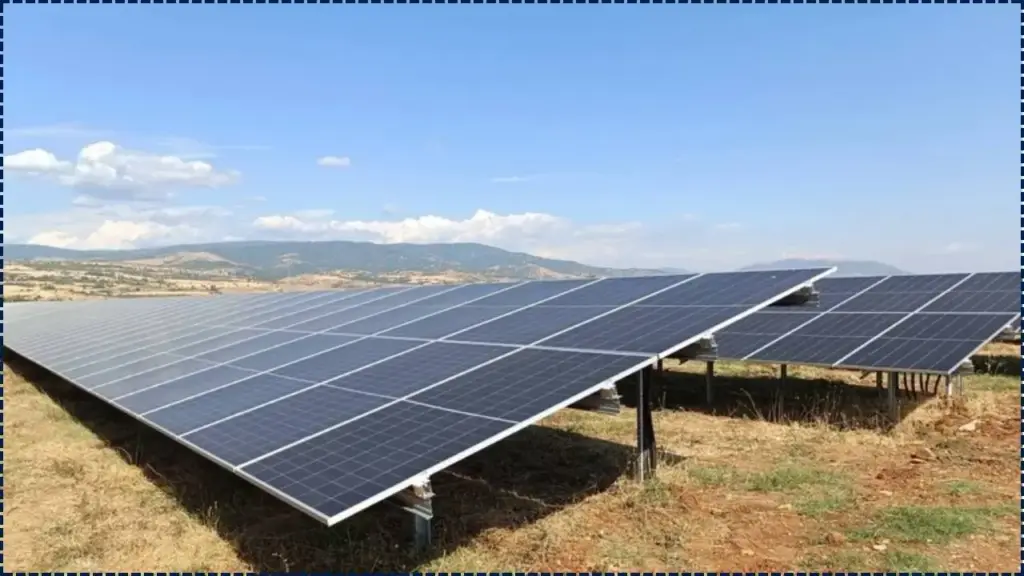
The combination of solar and storage is set to be a critical component in Scotland’s efforts to reduce carbon emissions and integrate more renewable energy sources into its grid.
The hybrid facility will store excess solar energy produced during peak sunlight hours and discharge it during periods of high demand or when solar generation is low. This approach improves the reliability and flexibility of the national grid, which is increasingly dependent on intermittent renewable sources such as wind and solar power.
Elmya Breaks Ground on 30-MWp Solar
| Key Fact | Detail |
|---|---|
| Project Capacity | 30 MWp solar capacity, 40 MWh battery storage |
| Location | Kinglassie, Scotland |
| Construction Start | March 2026 |
| Technology | Solar PV + Battery Energy Storage System (BESS) |
| Project Impact | Enhancing grid flexibility, contributing to UK renewable goals |
Global Renewable Energy Trends and the Role of Hybrid Projects
As global energy markets shift toward renewable sources, hybrid solar-plus-storage projects have become an essential part of many countries’ strategies to meet their carbon reduction targets.
Across Europe, the UK, and other regions, governments are increasing their investment in renewable energy infrastructure as part of efforts to reach net-zero carbon emissions by 2050.
The integration of solar power with battery storage technology offers an effective solution to manage intermittency—the challenge that comes with generating electricity from renewable sources that are not consistently available, such as solar energy.
The United Kingdom’s commitment to generating 70% of its energy from renewables by 2030 underscores the importance of projects like Elmya’s Kinglassie facility. Solar and storage systems are particularly valuable in balancing the grid and providing stable electricity in regions with high renewable generation capacity.
Hybrid systems also contribute to the energy transition by helping power utilities manage peak loads and providing services like frequency regulation and voltage support.
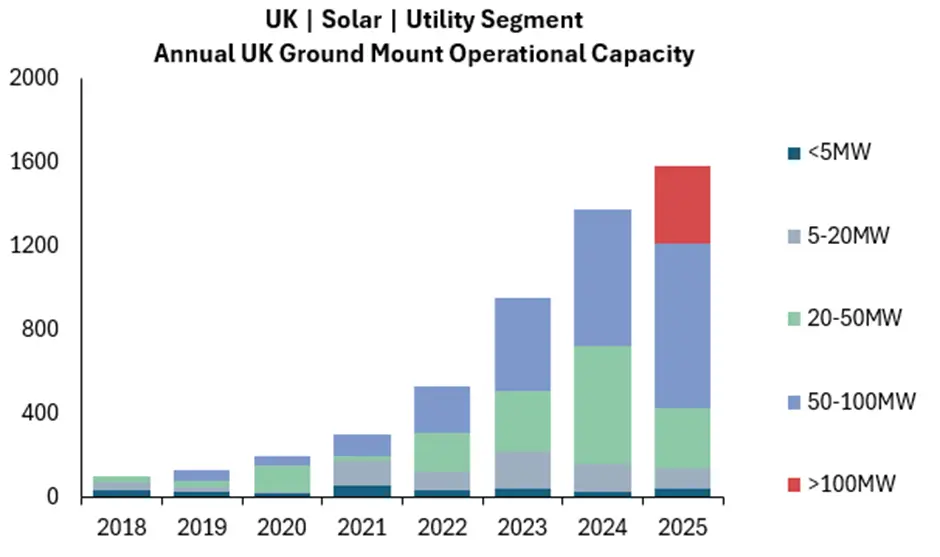
Elmya’s project is part of a growing trend that is seen in countries like Germany, Denmark, and the United States, where solar and storage solutions are integrated to provide consistent, reliable, and renewable electricity. These projects highlight the growing role of hybrid energy systems in ensuring grid stability while advancing decarbonization goals.
Technology and Innovation Driving the Kinglassie Project
The success of the Kinglassie hybrid facility hinges on advanced technologies in both solar generation and battery storage. Elmya’s solar plant will use high-efficiency solar photovoltaic (PV) panels that are designed to generate significant amounts of electricity even in areas with relatively low sunlight.
These panels have become increasingly affordable and efficient, making solar power a viable and competitive energy source in many regions, including the UK. On the storage side, the battery energy storage system (BESS) used in the project will be equipped with state-of-the-art lithium-ion batteries that can store large amounts of energy and discharge it when required.
सोलर पैनल से पैसे कमाएं, सिर्फ बिजली बिल नहीं, हर महीने रिटर्न कमाने का जबरदस्त तरीका जानें!
These batteries are highly efficient, capable of fast charging and discharging cycles to meet demand fluctuations. The ability to provide energy storage for hours or even days significantly enhances the overall resilience and flexibility of the energy system.
As solar panel efficiency continues to improve, and battery technology advances, projects like Kinglassie will set the stage for more cost-effective and scalable energy solutions. These innovations are driving the cost reductions and technology improvements needed to make renewable energy an increasingly viable option for power generation worldwide.
Environmental Benefits and Energy Security
One of the primary reasons behind Elmya’s Kinglassie solar-plus-storage project is its potential environmental benefits. By generating clean electricity from renewable sources and storing it for later use, the facility will significantly reduce Scotland’s reliance on fossil fuels and contribute to the nation’s carbon reduction targets.
The project aligns with Scotland’s ambition to become a net-zero nation by 2045, a vision supported by ongoing investments in renewable energy infrastructure. In addition to reducing carbon emissions, hybrid solar-storage projects enhance energy security by providing a stable, domestic power source.
As renewable energy generation scales up, energy storage systems help smooth out the fluctuations in energy production, ensuring reliable electricity supply even when weather conditions or supply chains may cause instability in energy generation.
By increasing the share of renewables in the energy mix and improving the grid’s resilience, Elmya’s Kinglassie facility will play a pivotal role in Scotland’s quest to reduce its carbon footprint and secure its long-term energy needs.
Government Support and Policy Framework
The success of hybrid solar and battery projects is also supported by strong government policies and incentives. In the UK, the government has set ambitious renewable energy targets and implemented various schemes to support energy transition projects.
The Contracts for Difference (CfD) program, for example, guarantees a fixed price for renewable energy producers for an extended period, providing financial stability for projects like Elmya’s Kinglassie facility.
The UK government has also provided funding for energy storage development, recognizing its importance in balancing the intermittent nature of renewable energy. As energy storage technologies continue to mature, these policies will ensure that projects like the Kinglassie hybrid facility can access the financial support needed to thrive.
A Model for the Future
The Elmya Kinglassie project stands as a model for future hybrid renewable energy projects in the UK and worldwide. By co‑locating solar generation with battery storage, Elmya is setting an example of how renewable energy integration can be done efficiently and effectively.
The flexibility provided by this hybrid approach will be crucial in achieving a decarbonized energy system that is both reliable and economically viable.
The Kinglassie facility is also a key step towards ensuring that Scotland and the UK are well-equipped to meet their long-term renewable energy goals, ensuring grid stability, and reducing the need for fossil fuel-based backup systems.
Related Links
MERC Seeks Public Feedback and Objections on Draft Renewable Energy Tariffs
New Global Coalition Platform Launched to Govern Solar Geoengineering Research with Transparency
The Road Ahead for Elmya
Once operational, the Kinglassie facility is expected to play an essential role in supporting Scotland’s renewable energy grid while providing long-term benefits to the local community and economy. The project is expected to be completed in the next 12 to 18 months, with full operational capacity set to boost Scotland’s clean energy generation significantly.
Elmya is also planning to expand its presence in the UK’s growing renewable energy sector, with further hybrid solar-storage projects in the pipeline.
The Kinglassie project not only contributes to Scotland’s energy security but also represents a step forward in the global push for decarbonization and the transition to a clean energy future.