
In a sweeping change to its renewable energy strategy, Germany’s Federal Ministry for Economic Affairs and Climate Action has proposed eliminating subsidies for small rooftop solar installations.
The proposal, detailed in a draft reform to the Renewable Energy Sources Act (Erneuerbare-Energien-Gesetz, EEG), aims to shift away from feed-in tariffs for solar systems under 25 kW — a category that primarily encompasses residential and small commercial rooftops.
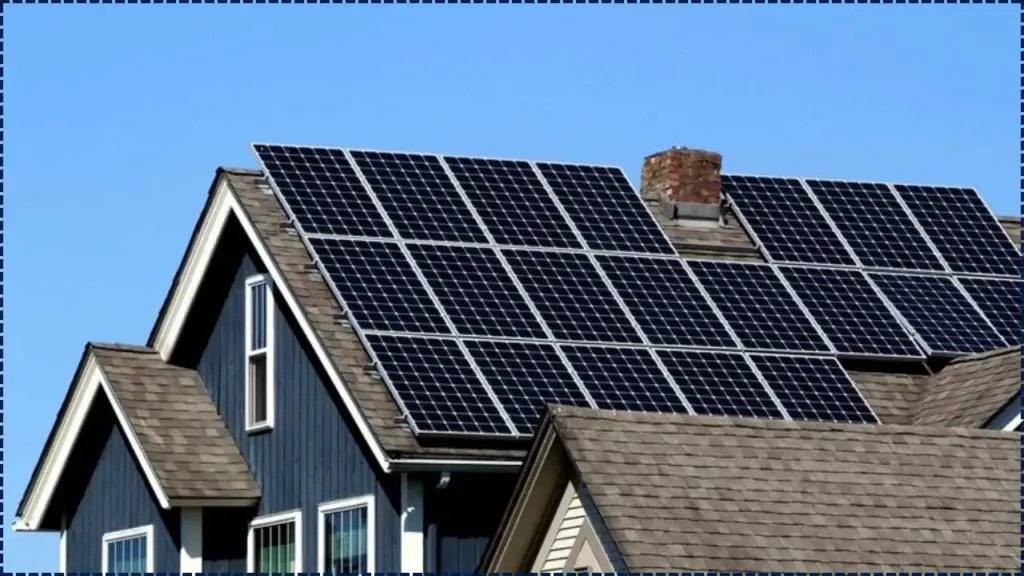
The Subsidies for Small Rooftop Solar move has sparked significant debate within Germany’s renewable energy sector. Supporters of the policy argue that technological advancements and decreasing costs for solar panels make continued subsidies unnecessary.
However, opponents warn that this could dampen enthusiasm for decentralized solar installations, slow down climate progress, and affect hundreds of thousands of homeowners and small businesses that rely on these incentives.
Subsidies for Small Rooftop Solar
| Key Fact | Detail |
|---|---|
| Affected Systems | Rooftop solar systems ≤ 25 kW |
| Subsidy Removal | Removal of feed-in tariffs for small systems |
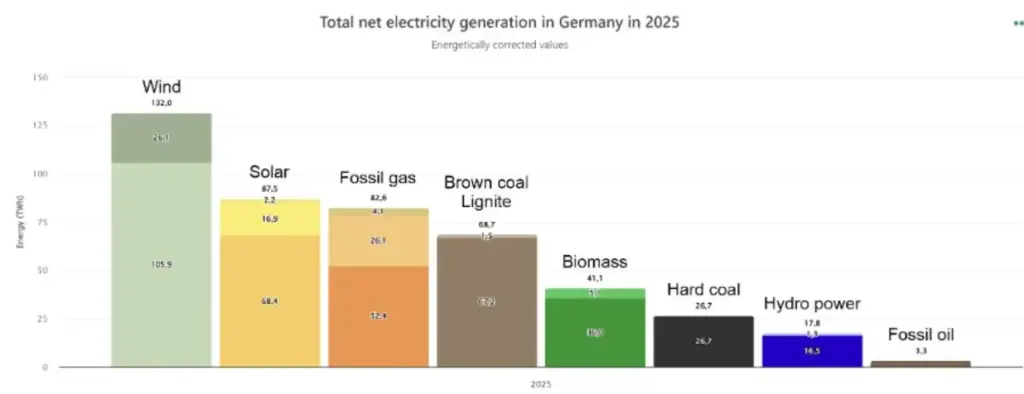
| Germany’s Renewable Share | ~58% of electricity generation |
| Proposed Transition | Shift to direct market-based selling |
| Long-term Target | 80% renewable energy by 2030 |
Subsidies for Small Rooftop Solar: Scrapping Subsidies for Small Rooftop Solar
Under the new proposal, small-scale solar installations, typically owned by private homeowners or small businesses, will no longer receive the guaranteed feed-in tariffs that have been central to Germany’s energy transition. Instead, these systems would need to participate in the electricity wholesale market, with electricity sold via direct marketing.
Direct marketing involves selling excess electricity on the market rather than receiving fixed, government-backed compensation. While direct market selling has its advantages, it exposes homeowners to the volatility of energy prices, which could lead to financial uncertainty, especially during periods of low solar generation or fluctuating market prices.
For smaller systems that are often used for self-consumption, this change might not seem drastic initially. However, it will affect homeowners who rely on grid export as a key revenue stream.
The proposal is set to affect a significant portion of Germany’s growing rooftop solar market, which has been one of the success stories of the country’s renewable energy push.
Why the Government Proposes the Change
Declining Solar Costs and Self-consumption
Government officials have argued that solar energy technology has advanced significantly, with the cost of photovoltaic (PV) panels decreasing by over 80% in the past decade. This cost reduction, coupled with improved energy efficiency, means that many homeowners can now rely on solar energy for self-consumption without needing long-term tariff support.
Germany’s energy transition has made significant strides since the introduction of the EEG in 2000, and today, solar power has become more economically viable, especially when it is used onsite rather than exported.
Many residential users, for example, consume most of their generated electricity during the day, particularly for household needs like heating, cooking, and appliance use. With these developments, the government argues, feed-in tariffs are no longer essential to incentivize small solar systems.
In their place, the direct marketing model would encourage market-driven pricing for electricity, creating a more efficient and market-responsive framework. This could ultimately reduce costs for consumers while integrating solar generation with broader grid management systems.
Industry and Public Response
Concerns from Industry Experts
The proposed changes have been met with strong opposition from industry groups and environmental advocates.
The German Solar Association (BSW-Solar) has expressed concern that the proposed removal of guaranteed payments will significantly reduce incentives for residential solar installations.
Association head Carsten Körnig argued that these changes could undermine public engagement in the energy transition and lead to a drop in solar adoption. He noted that while large-scale solar farms benefit from economies of scale, small solar systems are an essential part of the country’s decentralized energy grid.
Similarly, Germany’s Renewable Energy Federation (BEE) has warned that this policy could slow progress towards achieving the country’s renewable energy targets, specifically the goal of reaching 80% renewable energy by 2030.
The Green Party, a key proponent of Germany’s Energiewende (energy transition), has also criticized the reform, with many politicians arguing that it could undermine the democratization of energy generation.
“The energy transition is not just about large corporations. It’s about citizens taking control of their energy needs,” said Katrin Göring-Eckardt, Green Party co-chairwoman.
Public Perception
Polling data on the proposed changes is mixed. A recent survey conducted by the German Institute for Economic Research (DIW) found that while 70% of Germans support the transition to renewable energy, only 50% are in favor of removing financial incentives for small solar installations.
This highlights a potential divide between the government’s long-term energy policy and public willingness to participate in that vision.
Regional Impact: How States Are Reacting
Rooftop solar adoption varies across Germany’s federal states. In Bavaria, one of the most solar-friendly states, there are concerns that the new policy could slow down installations in rural areas where rooftop space is abundant, but subsidies have been a key driver of growth.
However, in Berlin and Hamburg, where urban rooftops are often less suitable for large-scale installations, city authorities are looking for new models to encourage solar energy adoption without the need for extensive subsidies.
In Baden-Württemberg, solar advocates have called for alternative subsidy mechanisms to be introduced, such as low-interest loans or tax breaks, to support the transition while maintaining financial incentives for small households and businesses.
The International Perspective: Comparative Policy Approaches
Germany’s move to remove subsidies for small solar systems mirrors similar trends in other European countries, including Spain and Italy. These countries have gradually transitioned from fixed payments to competitive auctions and market-based compensation systems. However, Germany’s approach is unique in its large-scale reliance on small, decentralized solar systems.
In contrast, countries like France and the United Kingdom continue to provide various forms of incentives for residential solar, recognizing that small systems play a crucial role in public participation in the energy transition.
Germany’s decision, therefore, is not only a national policy shift but part of a broader European evolution in renewable energy economics.
Financial Implications: What It Means for Homeowners
The change in policy could have significant financial implications for homeowners with small rooftop solar systems. Without guaranteed feed-in tariffs, individuals will need to depend on the fluctuating wholesale market prices for their electricity exports.
This exposes small producers to greater financial risk, especially if the market price for electricity falls during periods of high renewable generation. On the other hand, homeowners who consume most of their solar power may see little to no impact, as their savings from avoided electricity purchases will continue.
However, the removal of tariffs will likely make investment in rooftop solar less financially attractive for those with limited space for self-consumption.
What’s Next: The Path Forward
The draft reform is set to go through several stages before becoming law. A public consultation process will be held in 2026 to gather feedback from stakeholders, including industry representatives, political groups, and the general public.
Following this, the proposal will be discussed in the Bundestag (Federal Parliament), where it will likely undergo further adjustments. Energy policy experts suggest that a phased reduction in subsidies, rather than a sudden removal, might be a more practical approach.
They also propose alternative support mechanisms, such as tax incentives or low-interest loans, to ensure that small households and businesses are not discouraged from adopting solar energy systems.
Related Links
Beyond Electricity: This New ‘Solar Battery’ Converts Sunlight into Hydrogen on Demand
A New Leader: Solar Power Overtakes Wind for the First Time in China’s Energy Mix
Germany’s proposed move to eliminate subsidies for small rooftop solar systems marks the end of an era of guaranteed feed-in tariffs that helped catapult the country to the forefront of renewable energy adoption.
While some argue that it’s time for solar power to become more market-driven, critics fear that the reform could undermine public engagement in the energy transition and hinder progress toward national climate goals.
The upcoming consultations and parliamentary debates will be crucial in determining how Germany balances the need for market efficiency with the goal of fostering broad public participation in its renewable energy future.