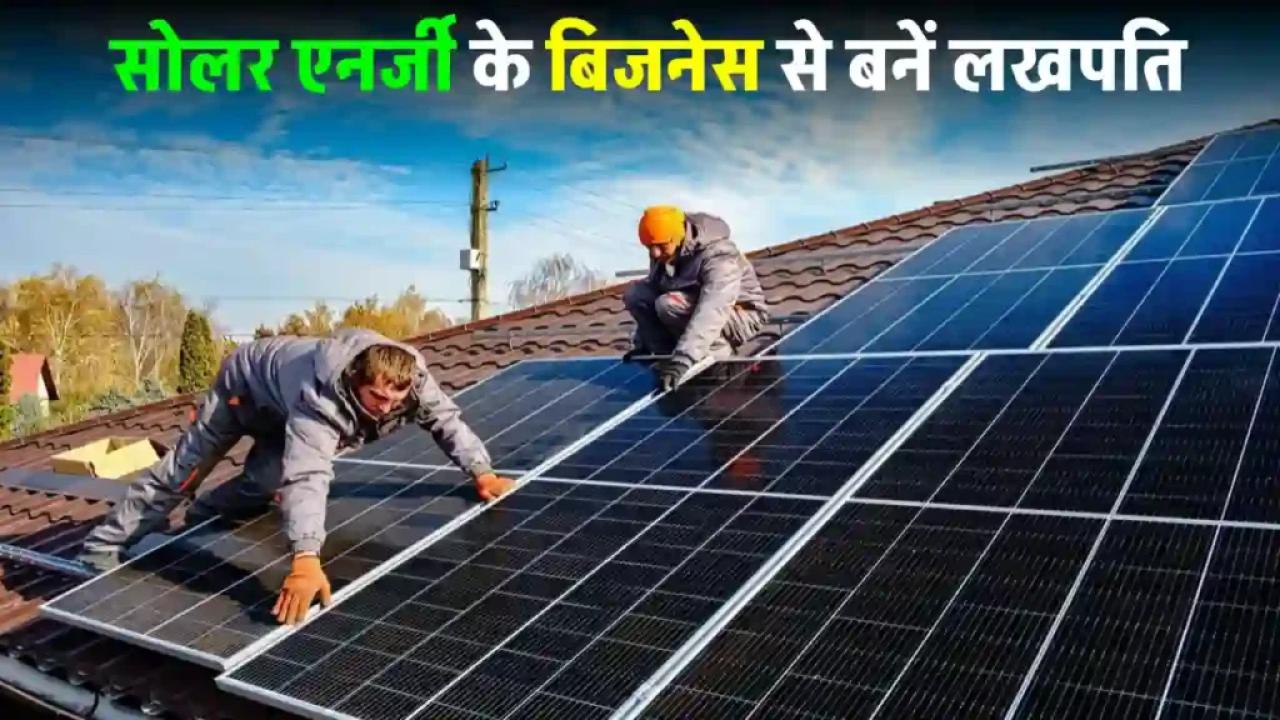

Starting in 2026, the European Union (EU) will require rooftop solar installations on most new buildings across member states, marking a major step toward energy sustainability and climate action. This ambitious policy aims to significantly boost solar power generation, reduce dependency on fossil fuels, and move the continent closer to its carbon-neutrality goals by 2050.
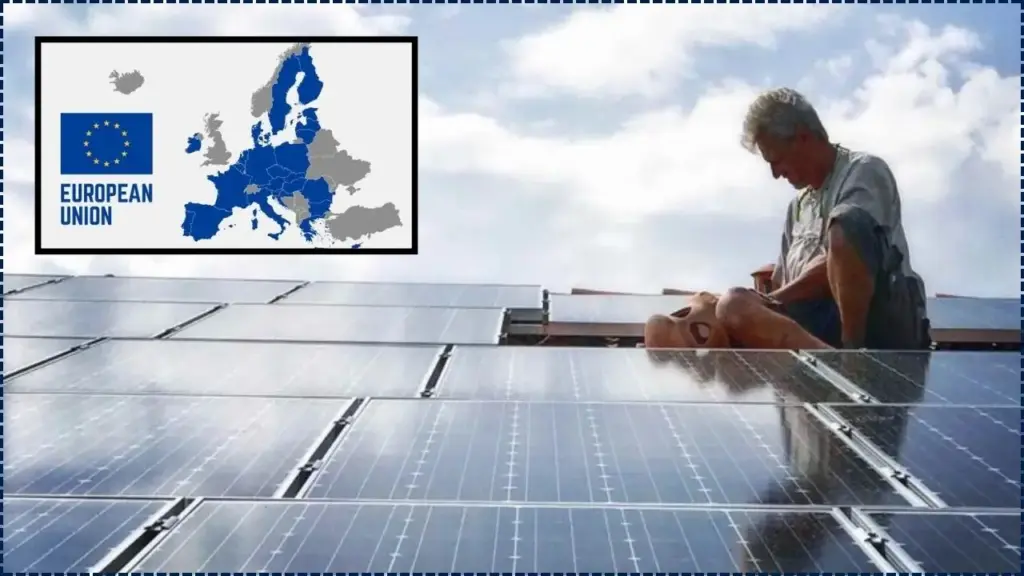
By integrating solar photovoltaics (PV) into building designs, the EU hopes to address the challenges posed by climate change, energy security, and the growing need for renewable power.
The EU is not just mandating solar but also offering grants, tax incentives, and subsidy schemes to support the transition, ensuring that solar energy becomes an integral part of new constructions across Europe. However, the new laws raise questions about their impact on construction costs, public perception, and the practicalities of widespread adoption.
What Is the EU Solar Mandate?
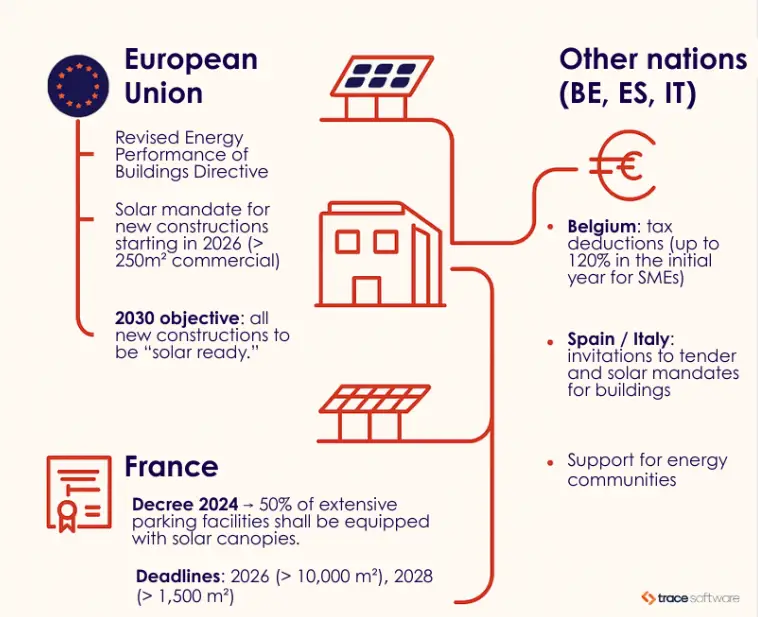
The EU Solar Mandate, which is part of the Energy Performance of Buildings Directive (EPBD), is designed to make solar energy a compulsory element of new buildings starting in 2026. The goal is to ensure that all new residential and commercial buildings are designed with solar energy systems (primarily rooftop solar panels) either installed or solar-ready for future installation.
Key Mandate Features:
- Rooftop Solar Requirements: All new public, commercial, and residential buildings above a certain size must include solar panels or be solar-ready by 2026.
- Phased Rollout: While the mandate will apply to most new constructions from 2026 onwards, some exceptions may apply for regions with insufficient sunlight or technical constraints (e.g., dense urban areas).
- Grid Connection: The new systems will be designed to contribute to local grids, boosting grid stability and reducing reliance on non-renewable sources.
- Aesthetic Considerations: The mandate includes flexibility for aesthetic concerns, permitting building-integrated photovoltaics (BIPV) where traditional panels may be impractical.
EU Timeline for Implementation:
- 2026: Rooftop solar required on all new public and commercial buildings over 250 m².
- 2027: The solar mandate will extend to non-residential private buildings of similar size and larger residential projects.
- 2030: All new residential buildings will be subject to the solar requirement, provided technical feasibility allows.
Why Is Rooftop Solar Now Mandatory?
The push for mandatory rooftop solar is rooted in the EU’s broader climate action strategy. As part of the European Green Deal, the EU aims to achieve net-zero greenhouse gas emissions by 2050. Renewable energy, especially solar power, is seen as a cornerstone of this transition.
Rooftop solar offers a practical and decentralized solution for reducing emissions, enhancing energy security, and reducing reliance on imported fossil fuels.
Energy Security
Europe’s energy independence has become a critical issue, particularly after the 2022-2023 energy crisis and the ongoing geopolitical tensions around energy supplies. By encouraging solar energy adoption, the EU aims to make its energy supply more resilient, decentralized, and sustainable.
- Solar energy on rooftops can reduce reliance on imported natural gas, coal, and other fossil fuels.
- It offers a local solution to energy shortages, allowing communities to generate their own power in case of supply chain disruptions or international conflict.
Reducing Emissions
The solar mandate directly supports the EU’s emission reduction targets. It contributes to the EU’s Climate Law, which requires a 55% reduction in emissions by 2030 compared to 1990 levels. Solar power will play a key role in meeting these targets by displacing carbon-intensive electricity with clean energy.
Building a Circular Economy
The EU’s strategy also supports the concept of a circular economy, where materials, energy, and resources are reused, creating sustainable, closed-loop systems. By integrating solar technology into buildings, the EU will accelerate the transition to a low-carbon economy.
Grants, Incentives, and Financial Support
One of the primary barriers to solar energy adoption, especially in new builds, is the initial cost of installation. To address this, the EU has introduced a range of financial incentives and grants to help homeowners, businesses, and municipalities manage the costs of compliance with the solar mandate.
EU Grants and Funding Mechanisms
- Cohesion Fund: This EU fund is intended to support low-income regions in implementing the solar mandate. Regions with lower economic development or limited access to financing can apply for grants to install solar systems on new public buildings and low-cost housing projects.
- European Regional Development Fund (ERDF): The ERDF is aimed at supporting sustainable projects in Europe’s less economically developed regions. Through this fund, municipalities can receive grants for solar integration and energy efficiency improvements in new buildings.
- Horizon Europe: A major research and innovation program, Horizon Europe provides funding for innovative solar technologies, including building-integrated photovoltaics and solar storage systems. This program aims to drive down the cost of solar and improve its efficiency.
- National Subsidy Programs: Many EU member states will also implement their own subsidy schemes for residential and commercial solar installations. These can include tax credits, direct subsidies, and low-interest loans to ease the financial burden on property owners and developers.
Economic and Social Impacts of the Mandate
Job Creation and Economic Growth
The solar mandate will likely create a substantial number of jobs across Europe, not only in solar panel installation but also in manufacturing, research, and development. According to industry estimates, the EU solar market could generate up to 1 million jobs by 2030 as the demand for solar technologies increases.
- Job creation in construction, installation, and maintenance of solar systems.
- Boosting the European solar supply chain, from manufacturing solar panels to battery storage technologies.
- Energy savings for businesses and homeowners as the demand for grid-based electricity decreases.
Affordability and Cost Challenges
One of the potential criticisms of the solar mandate is the additional upfront cost for developers and homeowners, especially in countries with less established solar markets. While grants and subsidies will offset much of this cost, smaller developers may still face challenges in meeting the requirements of the directive.
Some critics argue that without clear cost-benefit analyses or sufficient financial support, the mandate could inadvertently drive up construction costs, making it harder for low-income communities to access affordable housing.
This has led to calls for further policy refinement to address cost disparities and ensure that smaller developers and low-income homeowners are not disproportionately affected.
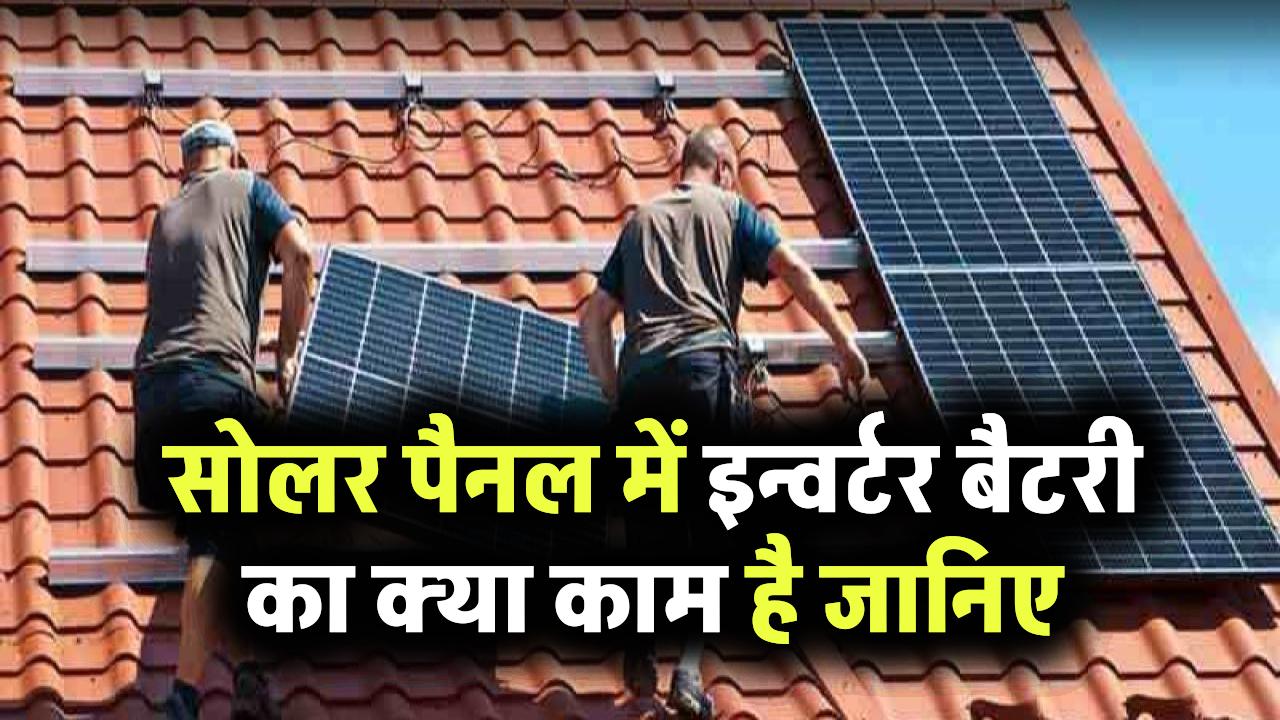
सोलर पैनल में इन्वर्टर बैटरी का क्या काम है, क्या सोलर पैनल को सीधे इन्वर्टर से जोड़ सकते हैं? जानिए
Challenges to Implementation
While the solar mandate is a bold and transformative step, it faces several hurdles:
- Infrastructure and Grid Challenges: Integrating solar energy systems on a large scale requires significant grid infrastructure improvements to handle the increased influx of distributed solar power. This includes energy storage solutions and smart grid technology to manage supply and demand fluctuations.
- Aesthetic and Practical Concerns: Some building owners and developers may be concerned about the aesthetic impact of rooftop solar panels, especially in historic districts or dense urban areas. While the directive offers flexibility, urban planning considerations will remain a critical challenge.
- Public Acceptance: There may be resistance to mandatory solar installations, particularly in regions with less sunlight or in areas where construction is already costly. Public education campaigns and stakeholder engagement will be vital in addressing these concerns.
- Varying Local Conditions: Member states will need to assess the feasibility of rooftop solar based on local climate, building design, and costs. Countries with less favorable solar conditions will need additional support or phased timelines for implementation.
Related Links
Earn Extra Cash from Your Roof! Here’s How Regular Homeowners Can Sell ‘Carbon Credits’ from Solar
No Roof? No Problem! This German ‘Plug-and-Play’ Balcony Solar Trend is Coming to Flats
A Pivotal Moment for Solar Energy in Europe
The EU Solar Mandate 2026 represents a significant step forward in Europe’s journey toward a sustainable, renewable energy future. By embedding solar energy into new buildings, Europe is not only reducing its carbon footprint but also driving the creation of a cleaner, more resilient energy grid.
Supported by a range of financial incentives, the directive promises to unlock widespread solar adoption, provide energy security, and stimulate economic growth. As Europe prepares for this major transition, the successful implementation of the solar mandate will require collaboration between governments, developers, businesses, and citizens.
The challenges are considerable, but the rewards — in terms of energy sustainability, job creation, and climate action — are even greater.