
As Europe accelerates its transition toward renewable energy, a new technological revolution is underway—one that mirrors the decentralized financial systems pioneered by cryptocurrencies like Bitcoin.
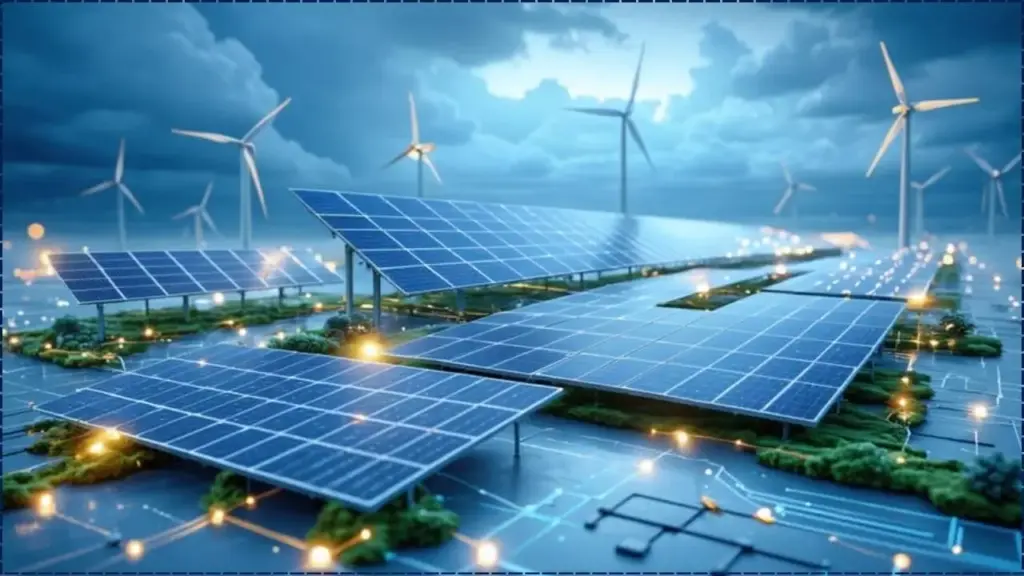
By harnessing the power of smart grids, European communities are enabling neighbors to trade solar power with each other, paving the way for a future of energy independence. This development signals a profound shift in how energy is generated, distributed, and consumed across the continent.
The European Union (EU) has been at the forefront of efforts to decarbonize its energy sector, aiming for net-zero carbon emissions by 2050. Central to this ambition is the widespread adoption of renewable energy sources, particularly solar power.
As solar energy becomes more accessible, the integration of advanced technologies such as smart grids has created new opportunities for individuals to become active participants in energy markets, much like Bitcoin enables peer-to-peer transactions without intermediaries.
How Smart Grids Enable Peer-to-Peer Solar Power Trading
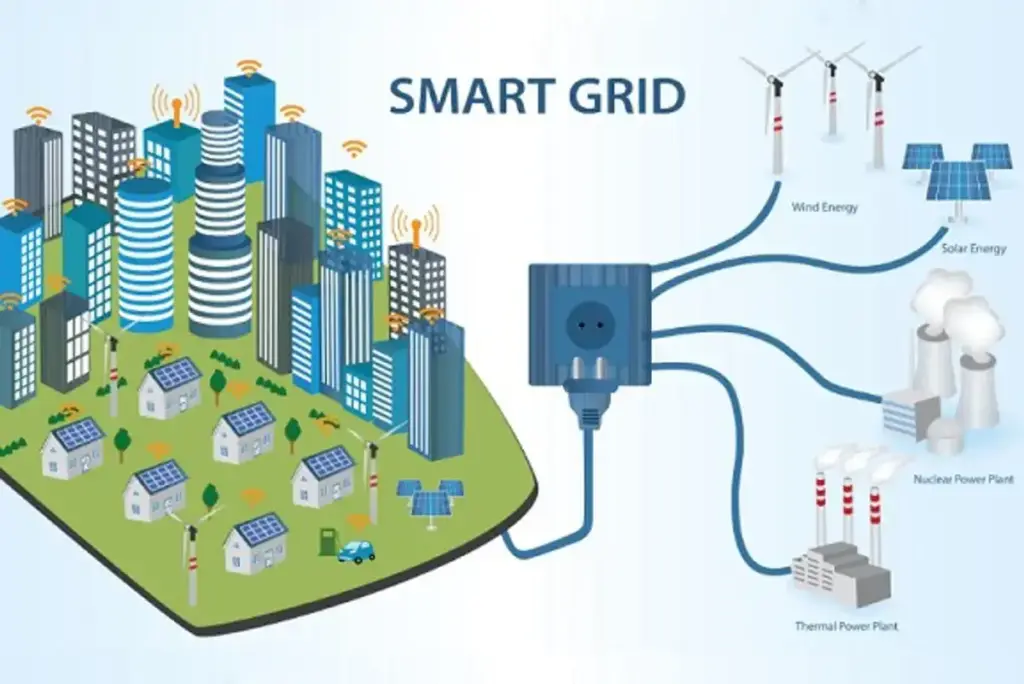
At the heart of this energy revolution is the smart grid—an advanced electricity network that uses digital technology to monitor and manage the flow of electricity from multiple sources. Smart grids allow for two-way communication between consumers and suppliers, enabling decentralized energy generation and consumption.
This opens the door for households with solar panels to not only consume the energy they generate but also to sell their excess electricity to neighbors or local businesses.
The concept of peer-to-peer (P2P) energy trading is key to this transformation. Instead of relying on traditional utility companies to manage power distribution, smart grids facilitate direct exchanges between producers and consumers of solar energy.
These transactions are often powered by blockchain technology, which ensures secure, transparent, and automated trading without the need for a centralized authority.
Much like Bitcoin, which uses blockchain to enable secure transactions without intermediaries, the decentralized nature of these energy markets allows for a more efficient, direct exchange of solar power.
Blockchain ensures that each trade is recorded in a secure, immutable ledger, making it easier for participants to trust the system and for transactions to be executed automatically based on pre-set conditions.
The Role of Blockchain Technology
Blockchain technology has become synonymous with cryptocurrencies like Bitcoin, but its applications extend far beyond digital currency. In the context of solar power trading, blockchain can act as the backbone of P2P transactions.
By recording energy trades on a distributed ledger, blockchain removes the need for intermediaries, such as energy brokers or utility companies, to oversee or facilitate exchanges.
Blockchain also offers several benefits for energy trading. First, it provides a transparent, tamper-proof record of all transactions. Each participant in the network can verify that the energy they receive comes from a reliable, verified source.
Second, smart contracts—self-executing contracts programmed into the blockchain—can automate the trading process. For example, if a household generates 10 kilowatt-hours (kWh) of solar power and a neighbor needs 5 kWh, the transaction can be automatically executed and recorded, ensuring both parties receive fair compensation.
Furthermore, blockchain’s decentralized nature aligns with the goals of energy independence, as it reduces reliance on centralized power grids and traditional energy providers. This shift empowers individuals to have greater control over their energy consumption and income, contributing to a more resilient and self-sufficient energy ecosystem.
Global Implications: The Future of Energy Trading
Europe’s pioneering efforts with smart grids and decentralized energy markets are garnering international attention. Countries outside of Europe, particularly the United States and China, are looking closely at how these models can be adapted to their own energy needs.
In the U.S., where solar adoption is rapidly growing, similar technologies could empower local communities to not only produce their own power but also create microgrids that ensure greater energy security and independence.
China, too, is investigating the role of blockchain and smart grid technologies to optimize its growing renewable energy sector. Given China’s ambitious renewable energy goals, the application of blockchain could streamline energy distribution and support its vast infrastructure of solar projects.
However, while these technologies hold promise for global energy markets, it is important to recognize that each region’s regulatory and infrastructure challenges will vary. For example, China’s central planning system contrasts with Europe’s more decentralized approach, meaning that the adaptation of Europe’s model may take different forms in different political contexts.
Case Studies of European Success
Several countries in Europe are already experimenting with P2P solar trading, with promising results. One of the most notable projects is in Germany, where the city of Dietfurt has launched a microgrid that allows neighbors to trade solar power.
Through this initiative, households with solar panels can sell their excess energy directly to others in the neighborhood, reducing the need for long-distance electricity transmission and increasing the efficiency of local energy consumption.
Similarly, the Netherlands has rolled out several P2P energy trading pilot programs. In Amsterdam, a blockchain-based energy trading platform called “SolarCoin” allows consumers to trade solar power in a way that mimics the transaction model of cryptocurrencies.
SolarCoin, however, is not a currency but rather a blockchain-backed digital certificate that verifies the generation of solar energy. Each unit of solar power produced is rewarded with SolarCoin, which can then be traded or sold.
These initiatives are part of a broader push by the EU to encourage collective self-consumption—a model in which communities can collectively manage their energy production and consumption. According to the European Commission, this approach can help reduce energy costs, increase renewable energy use, and decrease carbon emissions.
Economic Impact and Job Creation
The rise of P2P solar energy markets is expected to create significant economic opportunities. As local communities and businesses take a more active role in energy trading, there will be a growing demand for technicians, grid operators, and blockchain developers to support the infrastructure.
Additionally, the decentralization of energy production could lead to a shift in job distribution. Instead of relying solely on large utility companies for energy management, new roles in the renewable energy sector will emerge, ranging from solar panel installers to blockchain-enabled smart grid managers.
For consumers, the economic benefits of trading solar power could be substantial. Households with solar panels will be able to generate a steady income from selling excess energy, while those who buy solar energy locally could see lower costs than they would by relying on traditional grid services. These new economic opportunities align with Europe’s broader goals of sustainable growth and local empowerment.
Environmental and Social Impact Beyond Carbon Emissions
In addition to the obvious environmental benefit of reducing carbon emissions, P2P energy trading also helps reduce other environmental impacts associated with traditional energy production.
By utilizing local solar power, the system reduces the need for long-distance transmission of electricity, which often involves significant energy losses and contributes to environmental degradation.
The social benefits are equally significant. Energy trading fosters community collaboration and promotes self-sufficiency. It allows people to take more control over their energy usage and consumption, building stronger, more resilient communities.
Moreover, it can bridge the energy gap for low-income households, who can gain access to affordable solar power without having to invest heavily in infrastructure.
The Road Ahead: Challenges and Opportunities
Despite its promise, the widespread adoption of P2P solar power trading faces several challenges. One of the main hurdles is the regulatory framework. In many countries, laws governing electricity distribution and pricing are still rooted in traditional, centralized models.
For instance, in some regions, selling electricity to neighbors without going through the grid operator may still be illegal. Moreover, grid stability remains a concern.
While local trading reduces the strain on long-distance transmission lines, managing the flow of energy within the local grid can become complex, especially when there are fluctuations in solar power generation. Smart grids, therefore, need to be highly sophisticated to handle these variations while maintaining a stable supply.
Finally, the scalability of blockchain remains an ongoing challenge. While blockchain technology has proven effective in small-scale trials, applying it to large-scale energy markets requires significant infrastructure and computational power.
Ensuring that blockchain systems can handle the volume of transactions associated with a national or even global energy market is a key area of focus.
Related Links
A New Era of Energy Independence
As more European nations experiment with smart grids and decentralized energy trading, the future of energy independence looks promising. The ability for individuals and communities to generate, consume, and trade their own solar power could fundamentally change the energy landscape, making it more sustainable, equitable, and resilient.
With further advancements in technology, regulatory reforms, and consumer adoption, the European model of smart grid-enabled solar trading could soon be a blueprint for the rest of the world—ushering in a new era of energy independence.
FAQs
Q: How does solar power trading work in a smart grid?
A: In a smart grid, individuals with solar panels can sell excess energy to their neighbors through a decentralized system, often facilitated by blockchain technology. This allows for transparent, efficient, and automated trading of energy.
Q: What is blockchain’s role in solar energy trading?
A: Blockchain ensures that energy transactions are secure, transparent, and tamper-proof. It records each transaction on a decentralized ledger, enabling trust and automation in peer-to-peer solar trading.
Q: What are the main benefits of energy independence through solar power trading?
A: The key benefits include reduced dependency on imported energy, lower electricity costs, increased resilience to power outages, and a significant reduction in carbon emissions.